
Il gregge che procede senza sollevare lo sguardo
 

Abbiamo più e più volte spiegato, con dettaglio, anche qui nel Blog, che esporre il proprio portafoglio, e quindi i propri soldi ed il proprio di risparmio, al rischio di mercato, comperando tutto ad occhi chiusi, senza rendersi conto del rischio di un ribasso dei mercati, non è una strategia di investimento, ma è invece una pericolosa ingenuità.

Guidati dai promotori finanziari delle Reti di vendita, che si fanno chiamare wealth managers ma non sono managers (sono solo venditori, non decidono nulla) una buona percentuale di investitori italiano oggi si trova proprio in questa situazione: “se i mercati salgono, tu guadagni e noi guadagniamo; se i mercati invece scendono, tu perdi i tuoi soldi, e non guadagniamo esattamente lo stesso”.

Questa situazione spiega perché la maggioranza degli investitori finali ha accolto con soddisfazione il recupero delle Borse dell’ultima settimana: e non fa nulla che la guerra in Ucraina è ancora in corso, e non fa nulla che salgono i tassi ufficiali di interesse, e non fa nulla che l’epidemia di COVID sta risalendo. Per questa categoria di investitori, la realtà non conta (più), l’importante è solo che la Borsa salga (anche se manca un motivo).

Cosa spiega questo atteggiamento, che è ai limiti della isteria collettiva? Prova a spiegarlo qui sotto un articolo del Financial Times, che vi proponiamo di leggere.

In particolare, vi segnaliamo la frase dove si parla di “agganciarsi ad un indice di mercato e poi auto-proclamarsi un genio”: è una frase che spiega più di molte altre, e che poi però prosegue dicendo “è una fase in via di esaurimento, il gioco sta cambiando”.

Per questa ragione, è utile leggere questo articolo, ed è utile riflettere su questo fenomeno proprio oggi. Il momento, per i mercati e quindi per tutti noi investitori, era e rimane delicatissimo: sicuramente per gli investitori la situazione è cambiata, rispetto agli anni 2020 e 2021, e sicuramente non è una buona idea “aspettare e vedere quello che succede”.

Per ogni investitore, era e rimane decisivo decidere PRIMA.

Three horsemen of the apocalypse have arrived: war in Europe, pestilence in Asia and interest rate rises in the US.

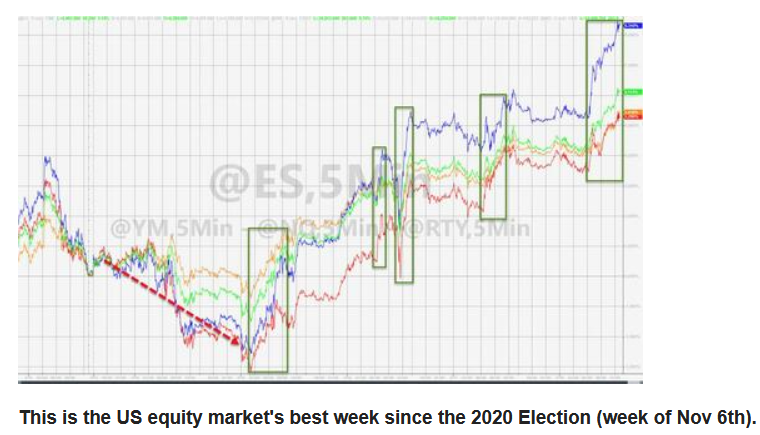
The market response: shrug and keep on buying the risky stuff. Almost unbelievably, European stocks have now fully recovered from the shock of Russia’s invasion of Ukraine. The Stoxx 600 index dropped more than 10 per cent from immediately before the invasion in late February to the low point on March 7. It is now right back where it started, after the biggest weekly rally since late 2020. Roughly the same goes for Germany’s Dax, which dropped even more heavily and is now close to the starting point again.

This is despite an overwhelming consensus that the EU economy will suffer, possibly greatly, from the war next door, largely through the impact of painfully high energy prices. Goldman Sachs, for one, has chopped its growth forecast for the year from close to 4 per cent before the war, to 2.5 per cent now. But it seems the developing narrative that the Ukraine war will foster greater EU cohesion and, crucially, heavier government spending on defence, is winning the day.

In Asia, this week brought a rather depressing reminder that Covid-19 is not over. On Monday, Chinese stocks in Hong Kong had their worst day since the global financial crisis, with a more than 7 per cent drop after authorities announced a six-day lockdown in Shenzhen to counter another coronavirus outbreak. Analysts at ANZ calculated that just a one-week shutdown of the region could lop as much as 0.8 percentage points off growth for the year. Clearly, the path back to well-functioning global supply chains will not be smooth.
Making matters worse, investors are fretting that at some point soon, China will have to pick a side more clearly over the conflict in Ukraine. “There’s a worry that China will somehow get itself embroiled in sanctions,” says Ron Temple, head of US equities and co-head of multi-asset at Lazard Asset Management. Again, though, fast-forward to the end of the week and China’s stock markets are back in business after Liu He, the Chinese president’s closest economic adviser, promised measures to boost the economy, along with unspecified “policies that are favourable to the market”. Details were not immediately forthcoming, but it does not matter — investors can spot a good dollop of extra monetary or fiscal stimulus from 50 paces.

And, of course, the US Federal Reserve finally did it. It raised interest rates for the first time since 2018, with a quarter-point increase that is likely to be just the first of several through the course of this year. The dreaded end of the monetary stimulus has hung over riskier assets for months. In the end, though, the S&P 500 index shot more than 2 per cent higher on Fed day and just kept on going from there. The Nasdaq Composite, stuffed with precisely the high-tech stocks that are considered most vulnerable to tighter monetary policy, has had its best week in a year. Sure, it is down by nearly 13 per cent so far in 2022, and Goldman Sachs’ index of unprofitable tech stocks is still down around 60 per cent this year. But a 6.5 per cent gain in the Nasdaq in a week is not to be sniffed at. “I still think some of the speculative tech stocks in the US are overvalued,” says Lazard’s Temple. “But there’s still a strong case for US equities. Maybe for the next few years, we grow the earnings into the valuations.”

The game has changed; tracking indices higher and calling yourself a genius is a trick that has worn thin. Investors “overdosed” on clinging to broad stock market indices in recent years, says Michael Kelly, global head of multi-asset at PineBridge Investments. Putting blunt rate rises to one side, the Fed’s process of chopping back the $9tn balance sheet it has run up to provide stimulus to the financial system will be tricky for investors to navigate, he notes. “It’s very hard for the markets to front run it,” he says. “I don’t believe the ‘priced in’ story. I don’t believe it can be priced in.” Exploiting niches rather than following the herd will be important from here, he says. Still, investors clearly are determined to pick out the positives. In a note this week, Credit Suisse’s investment committee said that following an ad hoc meeting, it had decided to flip to an overweight position in equities. The benign reaction to the Fed rate rise suggests “markets have had enough time to digest the changed economic outlook”, it said. “Glimmers of hope” over a ceasefire in Ukraine have emerged, it added. And a pullback in commodity prices suggests the Russian shock could “allow the global economy, including Europe, to stay on a solid growth path”.

Analysts at UBS Global Wealth Management said the pick-up in US stocks since the Fed’s meeting shows “how rapidly markets can turn if investor perception of geopolitical risks changes”. “It also reinforces our view that simply selling risk assets is not the best response to the war in Ukraine,” they said. In short: markets are all about how fears match up to reality, and everything could have been worse. We should hope that is not tempting fate.

Nell’articolo qui sopra, si legge che secondo la grande banca internazionale UBS “è sbagliato reagire alla crisi dell’Ucraina vendendo gli asset rischiosi in portafoglio”: si tratta di una frase che, ad un esame superficiale, sembra semplicemente una frase di buon senso, e che invece ad una lettura più attenta si rivela per ciò che è, ovvero un ennesimo tentativo di manipolare l’investitore finale, portandolo ad agire contro i propri interessi.

Questo perché, con quella frase (che poi ritrovate anche nelle frasi dei promotori finanziari in Italia, come leggete qui sotto) si vuole fare intendere all’investitore che i mercati sono volatili a causa di un unico fattore di incertezza, che sarebbe secondo questa lettura il conflitto in Ucraina.

Le cose non stanno assolutamente in questo modo. Recce’d ne ha scritto ogni mattina ai propri Clienti in The Morning Brief, e poi ne ha scritto anche in questo Blog, e più di una volta, nelle ultime quattro settimane.

A differenza di chi vende UCITS e Fondi Comuni, Recce’d non ha alcun interesse nel “tenervi investiti sui prodotti finanziari”, se questi prodotti finanziari per voi non hanno alcuna prospettiva di guadagno nei prossimi anni.

Il nostro lavoro è del tutto diverso: noi non dobbiamo piazzare nei portafogli degli investitori Fondi Comuni di investimento e polizze assicurative, bensì dobbiamo dire ai Clienti su che cosa investire per guadagnare ragionevolmente rischiando in modo ragionevole, quando esistono opportunità per farlo sui mercati.

Come detto, a proposito dell’attualità dei mercati, e a proposito del fatto che l’Ucraina oggi NON è il fattore principale, NON è il fattore determinante per le performances dei mercati finanziari internazionali, noi di Recce’d abbiamo scritto, e più di una volta, in questo Blog nel 2022.

Per questo, e quindi per non ripeterci, abbiamo selezionato il migliore tra i commenti apparsi nell’ultima settimana, che vi mettiamo a disposizione qui di seguito. la lettura dell’articolo vi potrà essere utili a comprendere quali sono le tre principali implicazioni per l’economia internazionale dei fatti di febbraio e marzo 2022.

Una analisi un po’ meno semplicistica, un po’ meno grossolana, ed un po’ più utile di quelle che ascoltate oggi dai promotori Finanziari e dai capi delle Reti che li arruolano.

Una analisi che quindi vi può essere utile, per non ragionare come la massa e di non fare la medesima fine che farà tutto il grande gregge che si marcia a testa bassa verso il proprio destino seguendo il bastone del pastore, anziché alzare la testa e guardare all’orizzonte.

The writer is president of Queens’ College, Cambridge, and an adviser to Allianz and Gramercy

Due to the invasion of Ukraine, Russia is being disconnected from the global system, one economic and financial wire after another. This will devastate the economy, once the world’s 11th largest and still a G20 member. Together with a crippled financial system, it will result in a depression undermining the wellbeing of generations of Russians.

What’s happening economically and financially in Russia and Ukraine won’t stay there. In addition to the tragic forced migration of millions of Ukrainians, there are consequences for the global economy and markets, both immediately and in the longer term. By the time the spillovers and spillbacks have made their way through the world, we will have faced some of the toughest economic and financial challenges of the 1970s, 1980s, and 1990s.

But there is one important difference: they will all have materialised at the same time. Russia’s vulnerability to the west’s sanctions is visible in the collapse of its currency, queues outside banks, goods shortages, multiplying financial restrictions and so on. The resulting sharp contraction in gross domestic product will take years to reverse and will necessitate a costly transformation of how the economy operates internally and interacts externally.

The major implications for the rest of the world, while uneven across and within countries, are a combination of challenges we’ve seen before.

Due to disruptions in the availability of commodities from both Ukraine and Russia, as well as renewed supply chain breakdowns, the world faces big inflation in costs reminiscent of the oil shock of the 1970s. Also similar to the 1970s, the US Federal Reserve, the world’s most powerful central bank, is already dealing with self-inflicted damage to its inflation-fighting credibility. With that comes the likelihood of de-anchored inflationary expectations, the absence of good monetary policy options, and a stark choice for the Fed between enabling above-target inflation well into 2023 or pushing the economy into recession.

Like the 1980s, mounting payments arrears will be a feature of emerging markets. This will start with Russia and Ukraine, albeit for different reasons. Increasingly, Russia will be both unwilling and unable to pay western bond creditors, banks and suppliers. In sharp contrast, Ukraine will attract considerable international financial assistance — but this will increasingly be conditional on the private sector sharing some of the funding burden by agreeing to a reduction in contractual claims on the country’s public sector. This mix of default and restructuring is likely to spread to other emerging economies, including some particularly fragile commodity importers in Africa, Asia, and Latin America. Already, they are feeling the pain of elevated import prices, a stronger dollar, and higher borrowing costs.

Like the 1990s, when a surge in market yields caught many by surprise, we should also expect more financial market volatility. Investors are slowly recognising that the “buy-the-dip” strategy for investing has been undermined. That approach had proved very profitable when supported by massive and predictable injections of liquidity by central banks. But it is now facing headwinds, with US monetary policymakers having no good policy alternatives. This comes when the price of many assets is significantly decoupled from fundamentals by the many years of central bank interventions.

Unlike the 1990s, however, investors should not expect a quick normalisation of Russia’s relationship with international capital markets and, with that, a recovery in its debt securities. This time will be messier and lengthier.

All this has three main implications for the global economy. Stagflation has gone from being a risk scenario to a baseline one. Recession is now the risk scenario. And there will be significant dispersion in individual baseline outcomes, ranging from a depression in Russia to a recession in the eurozone and stagflation in the US. While differentiation will also be visible in market performance, this will come after a period of contagion for some as global financial conditions tighten.

The major risk scenario for markets has changed, too — potentially with unsettling volatility and market malfunction. It is a risk that, unlike in 2008-09, is of less relevance to banks and, therefore, the payments and settlement system. That’s the good news. But its morphing and migration to the non-bank sector still poses blowback risks for the real economy.

Mercati oggiValter Buffo
Chi lo poteva immaginare? (parte 4)
 

Il titolo di questo Post ci riallaccia ad una serie di tre Post, pubblicati nel maggio del 2021.

Il titolo è un richiamo ad un argomento che ci capita di ascoltare spesso: e molti di recente, anche a proposito dell’Ucraina.

Il nostro suggerimento al lettore, oggi, è di riflettere su questa pagina de La Stampa: dove come vedete è scritto “BCE incubo recessione”.

Non c’è dubbio: c’è proprio scritto do un “incubo recessione”, a soli 18 mesi di distanza dalla più grande manovra fiscale e monetaria mai approvata nell’intera storia dell’umanità, coordinata tra Fed, BCE, Banca di Inghilterra e Banca del Giappone. La manovra di “stimolo” che avrebbe dovuto addirittura eleminare, dal nostro futuro, ogni rischio di “recessione”, proteggendo le economie da ogni futuro rischio.

E’ evidente, da questa immagine e dalle altre immagini di questo Post, che quella manovra ha fallito.

Chi lo poteva immaginare? Solo 12 mesi fa, tutti i quotidiani in Italia e nel mondo ci raccontavano del “boom economico”, ed oggi invece un investitore si trova a leggere che c’è davanti a noi ed ai mercati finanziari un “incubo recessione”. E come vi dimostriamo con l’immagine più sopra, e con quella che segue, non è soltanto la BCE a sollevare l’argomento.

Pe moltissimi investitori, si tratta di sorpresa, anzi è meglio dire che è uno shock: un cambiamento drammatico di prospettiva, e in uno spazio di tempo molto ristretto.

E non è l’unico: 12 mesi fa, ma pure 6 mesi fa, sui medesimi quotidiani, italiani ed internazionali, si leggeva la storia della “inflazione transitoria”, una storia che oggi “è andata in bancarotta”, come ci ha detto la stessa BCE soltanto la settimana scorsa.

Il punto che Recce’d vuole fare con grande forza, in questo Post, è che in realtà NON si tratta di una sorpresa. Noi affermiamo che dice IL FALSO chi afferma che si tratta di una sorpresa.

Anche voi lettori, come noi di Recce’d, dovreste esservi stancati, di sentire ripetere frasi come “del resto, chi lo poteva prevedere?”.

Il lavoro, questo lavoro, è prevedere: chi vuole presentarsi come consulente, deve prevedere. A che altro serve, se non prevede, la sua consulenza? Che cosa offre, al suo Cliente? Che cosa ci sta a fare, a fianco del Cliente?

Dovrebbe solo vendere, sempre vendere, e poi … vada come vada?

Questo lavoro, è prevedere: è prevedere che la storia della “inflazione transitoria” era una storia stupida, e che il “boom economico 2021” in realtà era unicamente un argomento utilizzato per fare marketing, una balla di fumo.

Lo deve prevedere, il consulente. Se non lo prevede, allora i casi che restano sono solo due: è incompetente, e non deve fare il consulente, oppure è un truffatore, nel senso che inganna il Cliente raccontando cose che non esistono né mai sono esistite, e solo per “piazzare la merce” che la Rete gli ha detto di piazzare, ovvero polizze assicurative e Fondi Comuni.

Un investitore che nel 2022 si affida ancora alle Reti di promotori, ai wealth managers ed ai Private bankers, è lasciato solo di fronte agli improvvisi “cambi della narrativa dominante”, cambiamenti radicali di prospettiva, e quindi anche di rendimenti futuri degli asset finanziari, come quello che documentiamo qui nel Post.

Il Cliente delle Reti oggi è totalmente abbandonato, e si sente dire soltanto di “non farsi prendere dal panico” dal proprio promotore finanziario, per il quale la sola cosa che conta è che il Cliente non disinvesta mai e rimanga investito in quei Fondi Comuni che rendono, al promotore finanziario, il 3% ogni anno in media.

Noi suggeriamo, a questi investitori, di riflettere attentamente e velocemente, e ci proponiamo per una autentica consulenza, non viziata dal conflitto di interesse. Noi di Recce’d non siamo costretti a “piazzarvi” né Fondi, né polizze, né alcun altro “prodotto finanziario”. Perché i prodotti finanziari, per voi investitori finali, sono solo costi, e costi inutili oppure dannosi.

Mercati oggiValter Buffo
In ogni terribile crisi ci sono grandi opportunità per gli investitori
 

Qui sopra l’immagine ci racconta del tradizionale portafoglio 60/40, il classico portafoglio “da asset allocation” utilizzato dalle Reti di promotori finanziari (che vogliono farsi chiamare all’inglese, magari wealth managers), quelle Reti di pura vendita come FINECO, Mediolanum, Fideuram, Generali, Allianz ed altre. Il portafoglio “di asset allocation” utilizzato da queste Reti per spingere i propri Clienti verso Fondi Comuni inutilmente rischiosi, come leggete ha subito in questa prima fase del 2022 pesanti ribassi.

Nulla di strano, penserà il lettore: “ha guadagnato così tanto nel 2021"!. Purtroppo, per voi lettori, NON è vero: i guadagni del 2021, nella grande parte dei casi, oggi non ci sono più

Nulla di strano, dirà nuovamente il lettore: “in fondo, a tutti toccano, in momenti diversi, delle minusvalenze”.

Una verità indiscutibile: che va però inquadrata nel giusto modo. Queste minusvalenze sul portafoglio ad asset allocation, in particolare, risultano inaccettabili per una ragione specifica: a tutti i Clienti le Reti di promotori finanziari avevano garantito che “il rischio di portafoglio è stato per sempre azzerato, messo sotto controllo dalle Banche Centrali”.

Insomma, la grandissima parte degli investitori era stata ingannata, e per questo aveva fatto, proprio nel 2021, scelte di portafoglio che neppure avrebbe avuto intenzione di fare.

Persino poche settimane fa (ricordate?) il vostro wealth manager, il vostro private banker, il vostro presunto consulente, il vostro family banker, il vostro robo-advisor, vi aveva spiegato che “non c’è ragione di preoccuparsi, e ancora meno c’è motivo di modificare il portafoglio titoli”. Ricordate amici lettori?

Allora, che fare adesso? Potrebbe sembrare un momento difficile: ed invece non lo è.

E’ semplice fare le scelte giuste, nel contesto attuale. I temi di mercato più rilevanti in un momento li trovate chiaramente evidenziati, anche semplicemente scorrendo la prima pagina di un quotidiano come il Financial Times.

Scorriamo insieme l’elenco di temi di investimento proposto qui sopra:

  1. ovviamente, troviamo la guerra in Ucraina

  2. legato al primo tema, ne troviamo un secondo: l’impatto delle sanzioni

  3. a cui se ne lega un terzo: il destino dei titoli, azionari ed obbligazionari, emessi da emittenti Russi, ed in particolare le perdite subite da chi aveva in mano quei titoli

  4. ma (come Recce’d ha scritto ogni mattina ai propri Clienti in The Morning Brief) non esiste soltanto l’Ucraina nella gestione del portafoglio titoli: ad esempio, c’è l’inflazione

  5. poi c’è la riduzione dei piani di “stimolo” da parte delle Banche Centrali (tema legato al precedente)

  6. c’è anche la volatilità, estrema, dei mercati finanziari, le ricadute sui bilanci degli operatori, e i problemi di regolamentazione dei mercati finanziari che regolarmente ricompaiono nei momenti di stress

  7. e poi c’è anche la Cina: tema che è legato sia all’Ucraina, sia ai mercati finanziari

  8. ed infine c’è il tema che noi giudichiamo il più rilevante di tutti, e che è legato a tutti i sette temi precedenti: il futuro della crescita economica globale

Come dicevamo, è molto facile oggi gestire i propri investimenti: il più del lavoro, lo abbiamo fatto per voi con l’elenco qui sopra.

L’elenco dei temi da affrontare, e sulla base dei quali poi decidere, è proprio qui di fronte a voi, e dovete soltanto parlare con il vostro private banker, con il vostro family banker, con il vostro personal banker, o magari con il vostro robo-advisor, e chiedere a lui, per ognuno degli otto punti che abbiamo appena elencato, che cosa ritiene sia opportuno fare.

Se le risposte per caso non vi soddisfanno, non vi sembrano chiare, non vi sembrano pertinenti, non vi danno una impressione di professionalità, potete sempre scrivere a noi di Recce’d. Noi vi risponderemo entro breve tempo, e se lo ritenete vi chiameremo per una conversazione via telefono.

Noi non vi corriamo dietro: Recce’d non mette pressione, a nessuno. Ma se volete, siano facilmente accessibili ed a vostra disposizione.

Vi dimostreremo che oggi gestire i propri investimento, e fare le scelte giuste, non è per nulla difficile.

I Clienti di Recce’d guardano al 2022 ed al 2023 come due anni ad elevato potenziale, con opportunità di investimento eccezionali, per gli investimenti sui mercati finanziari.

Tutto quello che dovete fare, è scorrere l’elenco, leggere con attenzione gli otto punti, e quando poi siete arrivati al punto numero 8, proseguite leggendo l’articolo che segue.

Leggendo questo articolo, scoprirete che (anche se il vostro wealth manager non vi ha ancora informati) dai mercati finanziari è possibile ricavare già oggi segnali chiarissimi.

Da questo insieme di segnali, che nell’articolo trovate chiaramente descritto, che cosa si ricava? Che tutta la storia che vi avevano raccontato per l’intero 2021, in merito ai mercati finanziari ed alle loro prospettive, e quindi al futuro rendimento dei vostri investimenti, era soltanto un volo di fantasia, un miraggio, una invenzione del marketing.

In sintesi, erano tutte balle. E che poi la colpa sia della guerra in Ucraina … beh, se proprio volete, potete crederlo, ma anche questa è una balla. Un’altra balla.

Vi sarà sufficiente scorrere il Blog di Recce’d ritornando indietro, di 12 oppure 18 mesi, per trovare una serie di avvisi che noi vi avevamo trasmesso, e che avete scelto di NON raccogliere. Oggi, a nostro parere, nel vostro interesse dovreste leggere con grande attenzione questo nostro, ulteriore, avviso “ai naviganti”..

Whenever oil prices shoot higher, there’s a debate among economists about whether it will spark faster inflation or act as a drag on economic growth. There’s no definitive answer because it all depends on the economic backdrop at the time when crude is rising. At this moment, with West Texas Intermediate having surged to $115 a barrel, the highest since 2008, the answer seems clear -- at least if you put any weight in the collective wisdom of bond market. The oil shock of 2022 is decidedly deflationary over the longer term with the real risk of a recession.

The world changed last week as Russia stepped up its invasion of Ukraine, leading the U.S., European nations and their allies to impose increasingly stiff financial sanctions. Although western leaders were initially loath to ban purchases of oil, aluminum and other commodities from Russia on concern such a move would inflict significant financial pain on their own citizens, by the end of the week it seemed increasingly likely that U.S. and European nations would take those steps.

The response throughout financial markets has been a flight to havens such as the dollar, developed-market government bonds and gold. The reaction in commodity markets has been both swift and violent. Yes, oil prices surged and aluminum reached new records, but that was just the start. The price of wheat, of which Ukraine is a major grower, soared on concern supplies will be severely curtailed. The Bloomberg Commodity Spot Index, which tracks 23 futures contracts, jumped 13% in its biggest weekly gain on record in data going back to 1960.

So while inflation expectations as measured by the U.S. bond market over the next five years rose to the highest since at least 2002, longer-term Treasury bond yields fell. Also, key benchmark yield curves contracted significantly, with the very important gap between two- and 10-year Treasury yields narrowing to the least since March 2020 and the very beginnings of the pandemic. This market response does not scream inflation, but rather the opposite.

When the yield curve was narrowing a few weeks ago, many analysts blamed it on concern that the Federal Reserve would raise interest rates too quickly, eventually causing economic growth to slow. However, last week's action felt like something had changed in the narrative. Economists were quick to game out the ramifications of higher oil prices, with a number pointing to prices of $150 to $200 a barrel as the point where economic growth  could rapidly shift into recession. That's exactly the range for crude that some, including DWS Group's Darwei Kung, a money manager and the firm’s head of commodities, say we are likely to hit should additional sanctions be imposed. It’s not just oil that is rapidly rising in price, but also basic staples such as agriculture products like wheat and corn. But instead of eating or driving less, consumers historically have cut back on other areas of their spending to compensate for these higher costs. 

A Bloomberg Intelligence report finds that a one-cent change in gas prices influences annual U.S. consumer spending on fuel by about $1.1 billion. That would mean gas prices are levying an energy "tax" near $100 billion based on the rise in gas prices over the past year, and poised to go much higher. In a note this week, Bank of America Corp. chief strategist Michael Hartnett said the Ukraine war and subsequent commodity disruptions “means a bigger inflation shock, a smaller rates shock, and a bigger recession shock.”

Sure, Americans are enjoying some of the biggest pay gains in decades, but that’s on a nominal level. The monthly employment report released Friday showed that wages had surged 5.1% from a year earlier, but that was down from 5.7% in January. Plus, it’s not even keeping up with inflation. The government is forecast to say this week that the consumer price index rose 7.9% in February from a year earlier, according to data compiled by Bloomberg.  

In this environment, it makes sense that benchmark 10-year Treasury note yields have fallen to 1.73% from more than 2% in mid-February. Yes, there's concern about the Fed hiking rates too quickly into slower economic growth. And yes, the central bank still owns a significant portion of the nation's debt, which keeps benchmark yields lower than they otherwise would be. However, this move lower in yields is different. It's a suggestion that momentum in the world's biggest economy isn't strong enough to withstand the commodity shock that we're seeing now, especially at a time when the Fed has little ammunition to act. 

Mercati oggiValter Buffo
Mercati 2022: il (solo) fattore determinante per le performances. Le nostre e le vostre.
 

Inflation took a turn for the worse in February as U.S. consumer price growth rose by 7.9%, representing the largest 12-month increase since January 1982. Core CPI, which excludes volatile food and energy - and is the Fed's preferred gauge of inflation - even advanced 6.4% Y/Y, according to the Labor Department's Bureau of Labor Statistics. All the numbers were gathered before the supercharged commodity rally driven by Russia's invasion of Ukraine, suggesting the red-hot inflation figures are nowhere close to peaking.

Aggressive tightening? Some had thought that central banks would slam the brakes after the conflict erupted, but the market reaction has been just the opposite. A hefty series of quarter point rate hikes are now on the table, with markets appearing to accept a coming period of "stagflation" (that's when sustained inflation is coupled with lower economic growth). It's a delicate balance for the Fed as tightening policy too sharply risks undercutting the economy and possibly triggering a recession.

"I don't want to make a prediction exactly as to what's going to happen in the second half of the year," said Treasury Secretary Janet Yellen, former chair of the Federal Reserve (current Chair Jay Powell is under a blackout period before the FOMC's meeting next week). "We're likely to see another year in which 12-month inflation numbers remain very uncomfortably high," she added, stating the Fed was looking at the data carefully and will take an actionable response.

Over in Europe: The ECB on Thursday cut its growth forecasts and raised inflation predictions, against the backdrop of the war in Ukraine. President Christine Lagarde even called the conflict a "watershed" moment for the continent, but would do whatever it takes to pursue price stability. She also said the ECB will scale back its bond-buying program "shortly" before raising rates, and with net purchases likely stopping in Q3, the market is pricing in a rare ECB quarter-point hike for October.

Questo Post si apre con una semplicissima ricapitolazione dei fatti che tutti avete visto sui mercati finanziari la settimana scorsa.

Perché è importante rileggere questa ricostruzione di fatti che tutti voi lettori già conoscete?

Lo spieghiamo subito: nell’intera ricostruzione trovate citata una sola volta l’Ucraina.

E qui, ancora una volta, Recce’d vi suggerisce di non investire, mai, sulla base della “narrativa dominante”: vi porterà sempre a fare scelte sbagliate, e a volte disastrose.

Facciamo un passo indietro, a questo punto.

Per mesi e mesi e mesi, Recce’d ha scritto, sia in questo Blog, sia nelle altre sedi pubbliche: attenti, amici lettori, il problema 2022 che i mercati (e quindi i VOSTRI soldi) devono affrontare e risolvere NON è l’inflazione.

Nel 2022, poi, abbiamo ancora rafforzato il messaggio, scrivendo: attenti, amici lettori, il problema 2022 che i mercati e quindi i VOSTRI soldi) devono affrontare e risolvere NON è l’inflazione, e NON è neppure l’Ucraina.

Noi però NON vi abbiamo detto subito quale è, a nostro giudizio, il problema che attende i VOSTRI soldi nel 2022: vi abbiamo fornito elementi di giudizio ed informazioni, per renderci utili ed aiutarvi a formare un vostro giudizio, meno convenzionale, più utile, non allineato alla “narrativa” in quel momento predominante.

Per in nostri Clienti, in aggiunta a questo, non ci siamo limitati allo scrivere: abbiamo anche agito sui portafogli modello di Recce’d, e nei tempi più appropriati, con il giusto anticipo, senza aspettare di … leggerlo scritto sul giornale.

Adesso, invece, lo trovate scritto anche sul vostro giornale.

A noi, in Recce’d, le chiacchiere da bar piacciono poco, pochissimo: le lasciamo ai colloqui tra amici al bar, tra parenti al Cenone di Natale, tra colleghi alla macchinetta del caffé.

E neppure la chiacchiera degli amici al bar, nelle chat, sui siti di trading on line, al circolo del golf per combattere la noia.

A noi, in Recce’d, scrivere e parlare piace unicamente in quelle occasioni (poche) nelle quali è possibile comunicare qualcosa di REALE.

Ed è questa la ragione per la quale noi di Recce’d spesso utilizziamo il Blog per riproporre articoli di stampa: perché per la grande parte dei nostri lettori “se lo dicono sul giornale, sarà vero”.

Bene, benissimo: ecco allora un articolo di giornale, della settimana scorsa. Se lo dicono loro sarà vero.

Tanto più che l’articolo in questione è del Wall Street Journal, il quotidiano più prestigioso al mondo per la Finanza.

E non basta. l’articolo in questione è firmato come “editoriale del Board”, e quindi esprime la linea ufficiale del quotidiano ad oggi.

Nell’articolo, viene spiegato, in termini MOLTO espliciti, quale è il destino dei VOSTRI soldi nel 2022. Attenzione: non fatevi portare fuori strada dal titolo, che è … semplicemente il titolo scelto dal titolista del giornale. Leggete con attenzione il contenuto: come sempre, è il contenuto che conta, non il titolo. E la chiusura dell’articolo, in particolare, è molto chiara e molto, molto utile.

Se vi può essere utile tradurre queste, ripetiamo chiarissime, parole in movimenti al vostro portafoglio titoli e Fondi di oggi, potete contattarci attraverso i contatti proposti dal sito. Ci troverete immediatamente disponibili a chiarire, approfondire ed in generale ad aiutare in un passaggio che è cruciale non per il 2022 ma per i prossimi dieci anni

Inflation keeps rising, and working Americans are paying the price in falling real incomes. That’s the bad news from Thursday’s consumer-price index report for February, and the White House can’t blame Vladimir Putin for this one, though it’s trying.

The Bureau of Labor Statistics said prices rose 0.8% in the month, the fastest rate in four months. That’s 7.9% over the last 12 months, and 8.4% over the last three months. In other words, inflation is accelerating.

The inflation surge was driven by rising costs for gasoline, food and shelter (imputed rents). But the price increases were also broad-based, suggesting that the psychology of rising prices has set in with businesses and consumers. The price of services (not counting energy services) rose 0.5% for the month. Remember when inflation was supposedly caused by supply-chain shortfalls for goods?

Well, services aren’t goods. Transportation costs rose 1.4%, and shelter jumped by 0.5%. The latter are likely to keep rising because they usually trail housing costs (which aren’t directly part of the consumer-price index).

Used-vehicle prices, which some economists said a year ago explained nearly all of the inflation, were down in February but overall inflation still rose fast because inflation expectations are now embedded across the economy. The latest NFIB survey found that 68% of small business owners had raised their average prices in the last three months, a 48-year high.

All of this is bad news for workers, despite recent gains in nominal wages. A separate Labor report on Thursday found that real average-hourly earnings fell 0.8% for the month. Real wages have fallen in nine of the last 12 months, including 2.6% since February 2021. (See the nearby chart.)

That wallops low-income workers in particular because they pay a larger share of their wages for the household basics of food and energy, which are both rising fast. No wonder Americans are sour about the economy despite healthy GDP growth.

The White House was locked and loaded for the bad news on Thursday and blamed, no surprise, Mr. Putin. “Today’s inflation report is a reminder that Americans’ budgets are being stretched by price increases and families are starting to feel the impacts of Putin’s price hike,” President Biden said in a statement. “Putin’s price hike” quickly became a Democratic and media meme.

It won’t wash. Russia’s invasion has certainly contributed to rising oil and gasoline prices in recent weeks and, as villains go, he’s top of our list. But inflation had already hit 7.5% on an annual basis in January before Russia invaded Ukraine. The prices of oil and other commodities have been on an inflation-inspired tear for months. Gasoline prices were up 6.6% in February, but they’re up 38% over 12 months.

Mr. Biden can blame Mr. Putin for many things, but not U.S. inflation. The root cause is homegrown: Two years of historically easy monetary policy, and explosive federal spending that fed economic demand even though the economy had long ago emerged from the pandemic recession.

The Ukraine invasion will feed inflation in March and coming months if oil prices keep rising. But getting inflation back under control requires a U.S. policy change: Tighten monetary policy, and control federal spending.

Mercati oggiValter Buffo
Non esiste la crisi energetica
 

Televisioni e quotidiani producono da due settimane una vera e propria montagna di “informazione”, e noi investitori tutti siamo chiamati a fare grande attenzione, a distinguere, ad analizzare, e persino a proteggerci da questa vera e propria valanga.

Quella che, a prima vista, può sembrare “informazione” spesso è invece “opinione”: allo spettatore del TG ed al lettore del quotidiano viene offerta solo una parte delle informazioni disponibili, accompagnata da ipotesi e tentativi di guadagnare interesse ed attenzione. Spesso in buona fede, e qualche volta anche in malafede.

Un esempio (in evidente buona fede) lo troviamo nel titolo che apre questo Post: il titolista del Financial Times associa in un solo titolo lo shock energetico, l’inflazione elevata e gli Anni Settanta.

In tempi non sospetti, e già a partire da due anni fa, Recce’d aveva già richiamato l’attenzione dei propri lettori sugli Anni Settanta: oggi, a distanza di molti mesi, trovate i riferimenti agli Anni Settanta su ogni quotidiano.

Il tempo che avete investito nella lettura del nostro Blog è stato, quindi, un buon investimento.

Quello che non ci convince, del titolo del Financial Times qui sopra, è l’accostamento dell’inflazione elevata allo “shock energetico”.

Perché? Perché non esiste lo shock energetico. Ma viene utilizzato, dal Financial Times e da tutta la stampa, per attribuire alla guerra in Ucraina una responsabilità che invece non è della crisi in atto.

Facciamo quindi un passo indietro, e colleghiamo all’Ucraina il tema che trovate nel titolo del nostro Post.

Abbiamo messo in evidenza per voi lettori, sette giorni fa, la profonda differenza tra la “narrativa” dominante sul tema del conflitto Ucraina - Russia e il nostro modo di vedere quella vicenda, che abbiamo ritrovato pienamente riscontrato in un articolo del sito della Rete americana di informazione NBC.

Da sempre (ed è stato ampiamente documentato) in presenza di un conflitto bellico l’utilizzo ed il controllo dei flussi di informazione è una autentica arma di guerra. Oggi, questo accade forse in una misura più ampia, rispetto al passato.

Ve lo dimostriamo in questo Post. Come sempre, Recce’d vi parla di fatti documentabili, e non di sentito dire. Vediamo insieme i dati.

Come tutti i lettori sanno, la TV italiana ha occupato decine e decine di ore, ed anche decine di diversi dibattiti, per illustrare al pubblico una crisi energetica che (nei termini utilizzati in TV) semplicemente NON ESISTE.

Potete vedere, qui sopra, che nel primo giorno del novembre 2021 il petrolio greggio WTI era trattato ad 84 dollari USA, mentre venerdì 11 marzo, dopo 16 giorni di guerra in Ucraina, era scambiato a 106 dollari USA circa.

Il rialzo? E’ del 19%.

Non esiste una crisi, almeno se guardiamo al prezzo del petrolio.

Nei dibattiti n Tv, ed anche sui quotidiani, è stata utilizzata più volte l’analogia con le conseguenze dell’embargo nei primi Anni Settanta. L’episodio era, però, totalmente diverso, e da ogni punto di vista: anche, e soprattutto nel presente contesto, con riguardo al rialzo del prezzo del petrolio, che fu del 205% come vedete sotto a sinistra nel grafico (poi, più avanti, alla fine del decennio, il rialzo toccò il 700% circa).

Ecco: quella fu una (doppia) crisi energetica. Ad oggi, 12 marzo 2022, non esiste alcuna crisi energetica, se non nei dibattiti alla TV.

Ai nostri Clienti, ed in più occasioni, abbiamo più volte chiarito il nostro pensiero, per ciò che riguarda il rialzo del prezzo del petrolio nel corso del 2021. Ciò che abbiamo visto nel 2022, a nostro giudizio, non è altro che un prolungamento di quella fase: la guerra in Ucraina è stato (almeno fino ad oggi 12 marzo 2022) soltanto un pretesto. Colto al volo, dalle TV e dalle banche di investimento internazionali, ma poi poco efficace, se guardiamo al prezzo del venerdì 11 marzo 2022.

Di ben altra importanza, a nostro giudizio, il dato che leggete qui sotto nel grafico: il rialzo del prezzo del grano.

Un dato importantissimo, e non solo per il 2022: tanto che la settimana scorsa noi ne abbiamo scritto ai Clienti in pratica ogni mattina.

Per spiegare l’impatto di questi movimenti, rispettando però la nostra esigenza di sintesi, ci affidiamo al capo del World Food Program, David Beasley, che leggete qui sotto nel tweet.

Sul loro sito, se interessati ad approfondire, trovate ulteriori informazioni: ed opinioni che vi possono essere utili. Utili proprio con riferimento alle performances 2022 e 2023 dei titoli e dei Fondi Comuni che tenete oggi in portafoglio.

Amanda Little

7 marzo 2022, 14:30 CET

While Putin’s war in Ukraine is delivering shocks to the energy market and driving up fertilizer prices, the bigger problem has become the soaring cost of wheat. Russia is steering the world toward an increasingly severe food security crisis — compounding the shortages already caused by the pandemic and climate change.

More than 70% of Ukraine is prime agricultural land that produces a major share of the world’s wheat, as well as its corn, barley, rye, sunflower oil and potatoes. Ukraine’s crop exports to the European Union, China, India and throughout Northern Africa and the Middle East are plummeting as Russian forces paralyze Ukrainian ports. They could soon cease altogether. Meanwhile, heavy Western sanctions are disrupting the flow of crop exports from Russia, the world’s top wheat producer.

Food security organizations are already hard pressed to deal with spreading hunger. Expanding shortages “will be hell on earth,” the United Nations World Food Program director David Beasley predicted last week. The threat is greatest in countries already teetering on the edge of famine, and in those that rely heavily on Ukrainian and Russian imports. Beasley said his organization will “have no choice but to take food from the hungry to feed the starving," and unless more funding pours in immediately, "we risk not even being able to feed the starving.”  

The Ukraine war is teaching international leaders a lesson they should have learned already: Long-term agricultural strategy must be built into national security plans. That means starting now to invest in more sustainable farming practices, climate-resilient crops and new growing technologies, as well as agile supply chains that can pivot around disruptions when needed. Food security must also become a central focus of international trade agreements.

Hunger fuels civil unrest and a vicious cycle of disruptions. It adds burdens, distractions and enormous costs to already strained governments as they scramble to import food at higher prices. Eventually, it can lead to mass exodus: hungry civilians fleeing their homeland in search of food.  

For millennia, robust food systems have conferred political power. Civilizations from the Mayans of Mesoamerica to the Vikings of Scandinavia rose as their food supplies flourished and fell as they declined. Even today, the nations with the least-reliable food supplies tend to have the least-diverse economies and the most conflict-prone governments.  In 2012, hunger helped foment the Arab Spring after droughts crippled wheat fields in Russia and the U.S., causing grain prices to spike worldwide. Food riots broke out in dozens of cities worldwide.

That global food crisis a decade ago forced Group of Eight nations to begin to focus on food security. They pledged significant funding for food relief. The Obama administration, for its part, set up Feed the Future, a program that deployed USAID and other agencies in targeted countries to help improve access to food. These were important efforts — but not enough.

Today, both wealthy and developing nations need to double down on this issue. Wheat prices already are at the levels they were in the 2008 food crisis — and climbing. “We can only imagine how much more devastating this is going to get,” said Catherine Bertini, a food security expert with the Chicago Council on Global Affairs and former director of the UN’s World Food Program. “The risk we’re facing is unprecedented.”

The Ukraine invasion has three tiers of negative influence on food security: first, on the people of Ukraine and Russia who are experiencing supply disruptions; second, on countries relying heavily on their exports; and third, on broader populations that already are feeling the shock of higher food prices. Worldwide today, 283 million people are acutely food insecure and 45 million are on the edge of famine. Famine-stricken countries such as Yemen stand to suffer most from dwindling Ukranian food exports, but also vulnerable are Egypt, Turkey and Bangladesh, which import billions of dollars of Ukrainian wheat annually.

Many other nations already struggling with food supplies depend on Ukrainian exports. Take Kenya, for instance: It derives 34% of its wheat from Russia and Ukraine, and 70% of its population lacks money for food.  Or Morocco: 31% of its wheat comes from Russia and Ukraine, and 56% of its population can’t afford a stable food supply. No less than half of the wheat purchased by the United Nations for food assistance worldwide comes from Ukraine.

But no country is insulated from food disruptions going forward — including and especially the United States. With all the calls we've been hearing for greater energy independence, few have fretted over the fact that while the U.S. exports about $150 billion annually in food products, it imports nearly as much – about $145 billion. 

Why isn't food security a key topic at major global conferences? It was barely discussed last year at the World Economic Forum in Davos, nor was it a priority at the COP 26 climate conference or at the United Nations Conference on Trade and Development. The European Union, World Trade Organization and other international trade groups must prioritize stable food-trade relationships — especially for the poorest and most food-vulnerable countries.

Even if Russia’s war against Ukraine is resolved soon and their exports continue to flow, climate impacts on food production and supply chain disruptions will become increasingly severe. According to the Intergovernmental Panel on Climate Change report released last week, hotter, dryer and more volatile growing conditions are already hobbling food systems globally, and as much as 30 percent of the world’s currently productive farm and pastureland will no longer support food production by the end of this century, if current trends continue.

Nations should steer more money to organizations like the Mexico-based International Maize and Wheat Improvement Center  that are advancing crucial research on how to grow more resilient wheat and maize crops in regions that are becoming steadily less arable.

This isn't just a problem of the future, though — countries and communities that most urgently address their food supply challenges will be the ones best equipped to survive disruptions and thrive economically now.

Valter Buffo