

Nessuna pietà per i perdenti
 

Oggi apriamo il nostro nuovo Post con una notizia, e non con un commento. La notizia la leggete sia nell’immagine sopra, sia nel brano che trovate di seguito.


Australia has launched a review of its central bank after the institution was criticised for delaying interest rate rises even as inflation took hold, prompting its own governor to describe its forecasting as “embarrassing”.

The review could result in the first significant reshaping of the Reserve Bank of Australia’s functions and purpose since the 1990s, when banking supervision was stripped out into a new body. Australia’s treasurer Jim Chalmers said the review would consider the performance of the central bank, its board composition and its inflation targeting strategy.

“We face a complex and changing economic environment, and now is the right time to ensure we’ve got the world’s best, the most effective central bank,” Chalmers told Australia’s public broadcaster ABC on Wednesday. The review was announced after the RBA was blasted by some economists for keeping the cash rate — the metric used to define interest rates — at a historic low of 0.1 per cent as the economy roared out of the Covid-19 downturn.

The RBA was forced to announce a small rate rise in May during the country’s election campaign — seven months after New Zealand’s central bank acted — and as inflation hit 5 per cent. It has subsequently raised the rate twice to 1.35 per cent after abandoning the dovish stance it maintained well into 2022. The bank is expected to introduce more rate rises in the coming months. Philip Lowe, RBA governor, admitted in May that the central bank’s forecasting had been “embarrassing” given it had indicated that it would keep rates as low as possible until 2024. Analysts said that guidance helped to prolong a housing boom, with Australians taking on high levels of debt as inflation rose. “We should forecast this better. We didn’t,” he said.

The independence of the RBA and its inflation target have been credited with ushering in Australia’s strong economic performance before the coronavirus pandemic caused the country’s first recession in 30 years. The review will consider how the RBA reacts during times of crisis when monetary policy moves are limited.

Lowe welcomed the government’s review of the central bank on Wednesday, adding that it was possible to return inflation to the target range of 2 per cent to 3 per cent while keeping the economy on an “even keel”. Belinda Allen, senior economist at Commonwealth Bank, said: “Unlike other central banks where a recession is required to bring inflation down, the RBA remains committed to lifting interest rates but still allowing for [moderate] economic growth and low unemployment.” Australia’s unemployment rate hit a near-50-year low of 3.5 per cent in June. The review will be conducted by Carolyn Wilkins, an external member of the Bank of England’s financial policy committee and a former senior deputy governor of the Bank of Canada, alongside Renee Fry-McKibbin, an economics professor at the Australian National University and former civil servant Gordon de Brouwer.

Ci sono moltissime cose utili, nella notizia che avete appena letto. Utili per noi investitori che ci muoviamo sui mercati finanziari internazionali. Elenchiamone alcune per i nostri lettori:

  1. vi abbiamo anticipato, mesi fa, che nel secondo semestre 2022 i mercati finanziari internazionali saranno mossi, ed anzi dominati, da temi di investimento diversi, rispetto a quelli del primo semestre; tra questo abbiamo citato, fin da subito, le valute (alle quali oggi dedichiamo un Longform’d nel Blog) e anche la politica; ed ecco qui, nella notizia qui sopra, che la politica scende in campo; la politica scende direttamente sui mercati finanziari; la politica-politica, quella dei partiti e del parlamento: con le sue istanze, le sue priorità (politiche, non economiche) e con le sue storture

  2. risulta chiaro leggendo la notizia qui sopra che le Banche Centrali non sono più infallibili e questa per moltissimi investitori è già una grande notizia; quando noi nel 2020 scrivemmo nel Blod “Fight the Fed!” una grande parte dei lettori non capì la ragione di quella nostra presa di posizione, e molti (in modo semplicistico) la etichettarono come “contrarian”; oggi, come avete appena letto, le medesime cose vengono dette e scritte dal Governo australiano (sarà anche lui “contrarian”?)

  3. altrettanto chiaro, dalla lettura della notizia, il fatto che la stessa “indipendenza” delle Banche Centrali adesso è sotto attacco e nessuno oggi può anticipare che esito avrà questo nuovo sviluppo: le Banche Centrali in Occidente diventeranno, ufficialmente, una “parte del Governo in carica”, come sono da sempre in Sud America ed in Africa? Non lo sappiamo … ma non si può escluderlo

Il fatto che abbiamo deciso di mettere al centro di questo Post non è un fatto isolato, non è un momento nel tempo: si tratta invece di una storia di lungo periodo: storia che influenzerà il vostro portafoglio titoli, e la relativa gestione di portafoglio, già la prossima settimana, ma pure dopo un mese, tre mesi, sei mesi, un anno e anche cinque e dieci anni.

Noi, per voi lettori del Blog, ne avevamo scritto anche qualche settimana fa. E poi mesi fa. E poi anche anni fa. Anticipandovi tutto: anticipandovi ciò che oggi leggete sul vostro quotidiano oppure ascoltate al TG Economia ed a CNBC.

Le Banche Centrali, nello spazio di pochi mesi, sono passate da essere identificate con figure mitiche, come il Salvatore della patria ed il Master of the Universe, ad essere attaccate da tutti: dai quotidiani, dai commentatori, dai politici (l’immagine qui sopra ne è un autorevole testimonianza) e di recente persino dalle stesse banche di investimento, quelle che proprio grazie all’opera delle Banche Centrali hanno acquisto una dimensione abnorme ed una abnorme ed ingiustificata influenza.

Leggete, a titolo di esempio, nell’immagine che segue il titolo irridente scelto da Bank of America a proposito della riunione di giovedì 21 luglio della BCE, nell’immagine che segue.

Non c’è pietà per i perdenti, come da sempre e per sempre. E le Banche Centrali hanno perso.

Nessuno, oggi, pubblicherebbe una copertina come quella che vedete qui sotto. E questo è un bene!

Questo cambiamento nel modo di intendere e giudicare l’operato delle Banche Centrali segna un momento nella Storia economica moderna.

Una fase storica si è chiusa, in modo definitivo. Una nuova fase è già iniziata. E questo influenza, in modo diretto, il valore ed il rendimento futuro dei vostri titoli, UCITS, certificati e Fondi Comuni di Investimento.

Per questa ragione, Recce’d (che da anni segue questa vicenda con analisi e critiche originali) oggi a voi offre in lettura l’articolo che segue.

La lettura di questo articolo vi può essere utile perché vi aiuta ad anticipare una vicenda che vedremo svilupparsi nei prossimi mesi, e che influenzerà in modo molto evidente anche il rendimento di tutte le classi di attività finanziarie.

La vicenda in questione è il crescente contrasto tra le stesse Banche Centrali: contrasto che era cosa di ogni giorno nei decenni Settanta ed Ottanta, come qualcuno ricorderà, e che si ripresenterà in odo ancora più violento negli anni Venti del nuovo Millennio.

L’articolo vi anticipa quali saranno i fattori scatenanti di questo contrasto tra le Banche Centrali: di uno di questi fattori (le valute) parla anche il Longform’d che Recce’d pubblica durante questo weekend di luglio.

Divergences in policy rates are now in focus, accentuated by the sharp depreciation of the yen and the euro. I want to turn attention to the divergent paths for central bank balance sheets.

Fed quantitative tightening (QT) started in June, and the pace will double in September. While the ECB’s balance sheet has started to shrink a bit as targeted long-term refinancing operations (TLTROs) are repaid, the contraction is small, and prepaying TLTROs is very different than QT. And the shrinking may not last as the ECB confronts peripheral spreads. The BoJ could go in the opposite direction, and yield curve control (YCC) could turn into substantial QE if markets keep testing the Bank. These balance sheet differences will only become starker.

In absolute terms, the ECB and the Fed have the largest balance sheets, with the BoJ a distant third. But relative to GDP, the BoJ has the biggest by far, with the ECB second. The Fed is an outlier on the low side, and as its QT continues and accelerates, the Fed’s footprint will contract further while the BoJ’s will likely grow.

The Fed started trimming its balance sheet last month, and the pace of the unwind will accelerate in September to $60bn per month of Treasuries and $35bn per month of MBS. The Fed plans to let QT run in the background, and it seems very likely to me that balance sheet runoff keeps going even if the economy stalls. Chair Powell keeps reminding us that the FOMC wants the funds rate to be tool of first recourse, so if we get to the point of the economy faltering, there will be room to cut. Indeed, that narrative is priced into the futures curve already.

For the ECB, the balance sheet trajectory is complicated. QT and TLTRO prepayments are not the same. Running off securities gives the market no choice—the central bank calls the shots. With TLTROs, commercial banks have the option to prepay at their discretion. Indeed, as our Europe team has noted, prepayments have been on the low side of expectations. Proper QT for the ECB is far off. Moreover, the ECB’s vow to contain peripheral spreads with a yet-to-be defined “anti-fragmentation tool” points to a potentially significant upside risk to the size of its balance sheet.

The BoJ is at the other end of the spectrum. Relative to GDP (and even more so, relative to the size of the sovereign debt market), the BoJ’s balance sheet is already an outlier to the upside. And despite the fall in the yen, inflation is still lower in Japan than other DMs, leaving Governor Kuroda committed to his very accommodative policy stance. That mindset will confront slower global growth that weighs on Japanese growth. Against this backdrop, our Japan team revised the call for the timing of a shift in YCC. Whereas we had thought that a tweak would come in October, allowing the JGB curve to drift upward, we now expect YCC to be maintained until the second quarter of next year, after Governor Kuroda is replaced by a successor. With the market increasingly likely to test the BoJ, I see the risks to the balance sheet as skewed substantially to the upside.

Markets have a lot to digest. Following the Covid shock, all major central banks were moving in the same direction but no longer, and market liquidity will be buffeted by severe crosscurrents. The irony is that the risks come from both larger and smaller balance sheets. In dollar markets, a lot more Treasuries and MBS will have to be absorbed as financing costs are rising. In JGBs, the BoJ already owns half the market, and more might be coming.

Quando le cose si mettono ad andare in fretta
 

Quando le cose si mettono a muoversi molto rapidamente, sui mercati finanziari, la sola soluzione che garantisce rendimento e controllo dei rischi è … farsi trovare pronti già da prima.

Questo non è il momento delle ampie analisi e degli approfondimenti: per questa ragione noi di Recce’d quelle ampie analisi le avevamo pubblicate nel Blog già mesi fa.

Mesi fa (ricordate?) tutte quelle analisi a qualcuno risultavano superflue: “perché fasciarsi la testa, se tutto va benissimo e l’indice S&P 500 sta a 4800 punti?”:

Il perché è semplice da illustrare: perché fare analisi oggi serve a NULLA. Le cose, oggi si muovono a velocità pazzesca. Purtroppo, chi è stato fregato è stato fregato, e chi invece ha la mente libera e le mani libere (grazie ad un portafoglio titoli adeguatamente preparato agli eventi che oggi tutti vediamo) oggi non deve fare analisi, che già avrà fatto, bensì deve fare scelte operative.

Che appunto Recce’d sta per fare sui propri portafogli modello.

Vediamo comunque di renderci utili, ai nostri lettori, producendo come sempre elementi selezionati di informazione, e qualche elemento di analisi, che aiutino se non altro a non sbagliare ancora di più, reagendo nel modo sbagliato ed in modo affrettato ad una fase di mercato che lascia la massa degli investitori priva di riferimenti e con il portafoglio titoli in sofferenza.

Noi di Recce’d in questo Post cerchiamo di renderci utili fornendo al lettore i quattro elementi essenziali, almeno a nostro giudizio, di cui un investitore deve disporre, se vuole evitare di cadere nelle nuove trappole commerciali già predisposte dagli Uffici marketing delle Reti che vendono i Fondi Comuni di Investimento e con loro dalle banche internazionali di investimento.

Il primo elemento, essenziale, di valutazione e di giudizio del quale un investitore deve assolutamente disporre è l’indipendenza del pensiero. Le Reti che vendono UCITS e Fondi Comuni, insieme con le banche globali di investimento, hanno compreso da molto tempo che è decisivo manipolare i media e fare passare attraverso i media messaggi che ingannano l’investitore finale, presentando come realistici scenari e prospettive che nella realtà non esistono.

E questo, al solo scopo di “piazzare la merce” nei portafogli di investimento dei Clienti finali.

JP Morgan è la banca più grande, e politicamente influente, degli Stati Uniti, e quindi del Mondo. L’investitore finale deve ogni giorno ricordare che allo stato attuale della regolamentazione la diffusione attraverso i media di notizie prive di ogni fondamento sulle prospettive dei mercati finanziari NON viene considerata un reato. Si può fare, lo lasciano fare. E quindi … avanti tutta. L’immagine in alto è del 10 gennaio 2022, l’immagine che segue è di giovedì 14 luglio 2022, ovvero meno di sei mesi dopo.

La prima cosa, l’esigenza imprescindibile, dunque, è questa: non lasciarsi “infinocchiare” e non cascare come polli nella trappola preparata dei media insieme con le Reti di vendita di “prodotti finanziari” e con le banche globali di investimento, trappola che poi viene “consegnata a domicilio” non da UBER bensì dal vostro private banker, dal wealth manager, dal robo-advisor, dal promotore finanziario.

A questo elemento deve immediatamente esserne aggiunto un secondo.

Dovete avere la capacità, voi investitori finali, di costruire voi stessi uno scenario. Almeno, a grandi linee.

Non siete economisti, d’accordo. E non siete neppure “professionisti della gestione”. E va bene: ma almeno, dovete mostrare spirito di sopravvivenza: dovete reagire e non rimanere sdraiati sul divano, ad ascoltare le rassicuranti filastrocche di chi vi vende i “prodotti finanziari”.

Dovete prendere in mano le informazioni che avete, depurarle dell’80% che è costituito di balle (vedi il punto precedente) e poi costruire uno scenario che a voi risulti sostenibile, realistico. Uno scenario che non può, e non deve, ribaltarsi di 180 gradi ogni sei mesi, come nel caso di JP Morgan che abbiamo appena documentato.

Suggerimento: la storia NON si ripete mai, ma spesso fa rima (Mark Twain). E allora, come noi da due anni ripetiamo con insistenza quasi ogni settimana, fatevi (anche) aiutare dal passato.

Il terzo elemento che non può mancare, nel momento in cui decidete di riprendere in mano i vostri investimenti finanziari (e se volete evitare di continuare a fare danni) è questo: ragionate del portafoglio titoli, e non dei singoli investimenti.

Per questa ragione, Recce’d nel suo sito ha creato la pagina SCELTE DI PORTAFOGLIO.

Nei periodi nei quali, sui mercati finanziari, prevale “la Fiesta”, nessuno ragiona sul portafoglio. Sia i quotidiani, sia le TV come CNBC, sia le Reti di promotori finanziari e private bankers si rivolgono a voi dicendo solo e sempre “compra questo”, “compra quello”, compra quell’altro”: compra compra compra compra.

Peccato che, poi, “la Fiesta” finisce e tutto quello che rimane sono il mal di testa ed i dolori.

Ed ecco che, come i funghi dopo la pioggia, si rileggono tantissimi titoli, tutti che citano “il portafoglio”. Un tema che era “irrilevante” e “noioso” diventa, all’improvviso, centrale.

Titoli come “compra Tesla”, “compra il Bitcoin”, “compra il petrolio”? Zero.

Adesso, tutto è “il portafoglio”. C’è persino chi spiega “come costruire il portafoglio in un bear market”: peccato che proprio lui, dentro quel bear market, ti ci ha spinto per mesi, e mesi, e mesi.

Et voilà: rigiriamo la giacchetta, e si va avanti come se nulla fosse (e soprattutto: senza una spiegazione).


Ed arriviamo al quarto ed ultimo elemento, dei quattro che, a nostro giudizio, non devono mancare se volete (iniziare a) costruirvi un vostro processo di decisione che a voi eviti quanto meno di cadere nel trappolone delle Reti di vendita e delle banche di investimento.

Quarto elemento per trasformare voi stessi in investitori di successo: cambiate il vostro modo di pensare agli investimenti finanziari.

Vi hanno tutti abituati a pensare che “i mercati alla lunga recuperano sempre”, e che il modo migliore per investire sia “ci vediamo ogni sei mesi e facciamo due chiacchiere”.

Si tratta di consigli interessati, e di consigli sbagliati: consigli che vi portano a perdere i vostri soldi.

Investire NON significa comperare un po’ di questo ed un po’ di quello, e poi sedersi ed aspettare, perché “tanto alla fine sale tutto”. Si tratta di una balla colossale.

L’attività di investimento è una cosa del tutto diversa.

Un portafoglio modello, come quelli di Recce’d, deve essere impostato sulle scelte (e non su una teorica “asset allocation” geografica).

Sulla base di chiari e precisi riferimenti (il rendimento atteso, ed il rischio futuro, di ognuno degli asset nel portafoglio modello) si devono alternare posizioni LONG e SHORT, poiché gli asset finanziari possono salire come scendere. Sempre, in ogni momento.

E poi, successivamente, tutto il portafoglio deve essere rivalutato e modificato: e di certo non “facciamo due chiacchiere da bar ogni sei mesi”.

La rivalutazione di ognuno degli asset va aggiornata come minimo ogni settimana, alla luce dei nuovi fatti intervenuti nel frattempo.

Le operazioni, invece, devono essere fatte solo quando serve davvero. A volte, sul portafoglio modello la cosa migliore è stare senza fare nulla.

Questi sono i quattro elementi in mancanza dei quali è preferibile stare FUORI dai mercati finanziari, e NON investire. Mai.

Ed in particolare, quando (come in questo luglio 2022) le cose iniziano a muoversi velocemente.

Il nuovo regime
 

questo Post è dedicato a tutti quelli che, un anno fa, definivano il lavoro di Recce’d con termini quali “contrarian”, “pessimista”, “disfattista”: a tutti questi, auguriamo buona lettura

A differenza di ogni altro Post in questo Blog, questa volta abbiamo deciso di andare a ruota libera.

Mettiamo insieme, del tutto a casaccio, un po’ di osservazioni, informazioni e qualche dato.

Aggiungendo commenti sparsi. Senza seguire un metodo, un filo logico, e senza un obbiettivo preciso.

Esattamente ciò che fa il vostro quotidiano ogni giorno. Oppure il TG economia oppure CNBC. Ed anche, ogni mattina, il vostro private banker, il vostro wealth manager, il vostro robo-advisor, il vostro promotore finanziario.

Eventi tragici e luttuosi questa estate hanno riportato l’attenzione sui cambiamenti climatici: in particolare, il crollo a valle dei ghiacciai.

Un evento che ha una lunghissima fase di preparazione (anni) ma poi accade tutto in un istante.

Ciò che Recce’d percepisce, intuisce, sente, in questo luglio 2022, è il crepitio del ghiaccio che si spezza.

Parliamo, ovviamente, dei mercati finanziari.

Ancora oggi, nel luglio 2022, la grandissima maggior parte degli investitori NON accetta, NON vuole vedere: eppure, è del tutto evidente che la Storia, quella con la “S” maiuscola, si sta svolgendo davanti ai nostri occhi.

Sono moltissimi, quelli che ancora oggi vogliono fortissimamente credere al “rallentamento congiunturale”: sono i medesimi che due anni fa, fortissimamente, vollero credere alla “inflazione transitoria”. E a loro, questo atteggiamento (dello struzzo che mette la testa sotto la sabbia) ha prodotto dei bei danni.

Cose come quelle che vedete nel grafico qui sopra segnano un’epoca. Una Nuova Epoca si è già avviata: vi sentite pronti ad affrontarla?

E i mercati finanziari, loro saranno pronti?

Recce’d ritiene di NO: che i mercati finanziari non siano pronti.

Sui mercati finanziari, fino ad oggi, si è scelto di NON vedere. Pochi, come ad esempio Martin Wolf oggi sul Financial Times, hanno preso una posizione diversa, ed hanno parlato del “nuovo regime”.

Martin Wolf fa riferimento all’inflazione: ma il Nuovo regime investe, in pari misura, l’inflazione e la recessione, i tassi di interesse ed i tassi di cambio, i Governi e le Banche Centrali.

Il grande pubblico, e la grande massa degli investitori, per ora, non accetta che si sia passati ad un Nuovo Regime: e lo vedete tutti, anche dai prezzi sui mercati finanziari.

Pochi, pochissimi ad oggi hanno realizzato ed hanno metabolizzato il fatto che i prezzi degli asset visti nel decennio 2012-2021 oggi non hanno più alcun significato. Siamo in un nuovo regime. Le regole, le regole fondamentali di funzionamento dei mercati, sono già cambiate. Pensare oggi che (ad esempio) a fine anno l’indice S&P 500 sarà a 3800 punti “perché a gennaio fa valeva 4800 punti” è completamente privo di senso.

In Occidente, oggi, il pubblico ha paura in modo particolare della “recessione” (immagine sopra). E tutti pensano alla “recessione” vista negli anni passati della loro vita.

Recce’d ritiene che la massa degli investitori, oggi, farebbe bene ad avere altre paure.

Non c’è proprio nulla da ridere: l’assalto al Palazzo della Banca Centrale, in Sri-Lanka, non è un evento da “paese sottosviluppato”.

E la “rivolta del popolo” che ha occupato il Palazzo Presidenziale dello Sri-Lanka ricorda, anche nelle immagini (sotto) l’assalto a Capitol Hill del 6 gennaio 2020, che ancora oggi vede imputato Donald Trump. Un Presidente degli Stati Uniti d’America imputato di “insurrezione”.

Come dice sotto l’economista Jeffrey Sachs, questo episodio in Sri-Lanka non resterà isolato: e noi diciamo che già oggi non è un episodio isolato.

In Occidente, l’ambiente intorno alle Banche Centrali si è fatto difficile, e diventerà anche più difficile proprio nelle ultime settimane di luglio.

I banchieri centrali, come noi di Recce’d spiegammo due anni fa, si sono messi da soli in una trappola, ed oggi non hanno leve sulle quali agire. Ogni loro mossa è imposta da ciò che accade all’esterno, nella realtà. Subiscono, e poi reagiscono, seguono e non danno la direzione.

Il loro imbarazzo è evidente, ogni giorno di più: ieri il Governatore George, della Federal Reserve, ha dichiarato che “E’ notevole il fatto che si parli già di recessione dopo solo quattro mesi di rialzi dei tassi”. Lo leggete sotto nell’immagine.

Al che nell’immagine si risponde “Certo, è notevole la misura in cui l’intera economia degli Stati Uniti è diventata dipendente dalla finanza dopo 13 anni di una politica monetaria idiota”.

E noi di Recce’d non potremmo essere più in accordo.

L’imbarazzo dei banchieri centrali si riflette nell’imbarazzo degli intermediari tradizionali (banche di investimento e Reti che vendono i Fondi Comuni di Investimento e le UCITS): ad esempio, uno dei più qualificati Istituti del settore (a nostro giudizio), ovvero Banca Pictet, ieri scriveva ai Clienti di avere “rivisto al ribasso il target per il cambio del dollaro USA contro euro”. Ieri questo cambio ha toccato la parità, mentre il loro target precedente era … 1,15.

Era meglio stare zitti, e non dire nulla.

Tutto questo imbarazzo si riflette però nei soldi dei Clienti investitori: la terza colonna della tabella che segue ci ricorda (per i diversi paesi citati dalla tabella) quale è stato il massimo ribasso del “portafoglio tradizionale bilanciato azioni/obbligazioni” su un arco di venti anni (l’arco di tempo varia, ed è indicato nella seconda colonna).

Quanto tempo ci vorrà, prima che la massa degli investitori comprenda che deve confrontarsi con questo tipo di regime?

La responsabilità della situazione attuale cade ovviamente in capo a chi ha effettuato le scelte di politica monetaria (le Banche Centrali) e fiscale (i Governi).

Questo non significa che la massa degli investitori non abbia responsabilità. Ne ha: ha grandi responsabilità.

Spieghiamo: come leggete qui sotto nell’immagine, gira voce che il Presidente Biden non abbia più fiducia nelle previsioni della Federal Reserve, visti i tanti errori commessi.

Nell’immagine ci si domanda: ma a questo punto, DI CHI si fiderà la casa Bianca?

E voi, lettori ed investitori: di chi, vi fidate? A quali previsioni ed indicazioni e raccomandazioni affidate i vostri risparmi? Quali competenze avete cercato e selezionato? Siete stati attenti? Siete stati critici? Oppure avete cercato la strada più facile? Il sorriso più accattivante? La voce più rassicurante? Uno spot TV con Buddha? L’iscrizione al torneo di golf? Vi sentite rassicurati dalla iscrizione ad un Albo per i promotori finanziari?

Davvero siete stati così superficiali, grossolani nel fare le vostre valutazioni?

E vi stupite se oggi perdete i vostri soldi?

Non fate gli ingenui, e datevi da fare: da oggi.

Chiudiamo parlando di Italia. Abbiamo ascoltato, sabato sera 9 luglio, al Post del TG2, un dibattito tra presunti esperti a proposito dell’Italia. C’è stato chi è arrivato a sostenere che in Europa “l’Italia sta meglio di altri Paesi”.

L’intero programma è stato una collezione di parole dette in assoluta libertà e con grande leggerezza: parole del tutto scollegate dalla realtà, ma che al tempo stesso preoccupano perché riflettono almeno una parte dell’opinione pubblica.

Fino a che una così ampia non-consapevolezza, un così diffuso rifiuto della realtà, prevale nel pubblico, questo paese non uscirà mai dalla trappola nella quale si è cacciato da solo e per scelta (più o meno consapevole, a seconda).

Ed accade così che in Italia nel luglio 2022 si parla di crisi di Governo, ma nessuno parla di TARGET 2.

Nel grafico qui sotto, vedete l’attivo della Banca Centrale di Germania verso le banche non tedesche in Eurozona: si tratta di 1200 miliardi di Euro, che poi è una cifra molto vicina al PIL annuale dell’Italia.

Il Paese che più di ogni altro beneficia di questo credito dalla Germania è appunto l’Italia. Questo, al TG2, nessuno lo ha preso in considerazione: probabilmente, non è rilevante.

Appunto: non ne usciremo mai.

Longform'd. Inflazione? Oppure recessione? Oppure l'imprevedibile?
 

Tutti gli investitori del Mondo sono disorientati, confusi ed impauriti (tranne qualche ristretta minoranza).

Non bastava che, nello spazio di poche settimane, il quadro, lo scenario, la “narrativa dominante”, si fosse completamente ribaltata.

Siamo passati dall’ottimismo (ottuso, stupido, arrogante e di convenienza) che dominava ancora in gennaio al pessimismo totale solo sei mesi dopo.

Tutti i grafici, se mesi fa, puntavano all’insù: un esempio lo trovate proprio qui sott. Tutti. E tutti gli “amici del bar” oppure i “colleghi d’ufficio” allora, se mesi fa, vi spiegavano che “è assurdo oggi stare fuori dalla Borsa”. Assurdo, assurdo: dicevano proprio così.

Ma, dicevamo, non basta che oggi la prospettiva si sia del tutto ribaltata. No. va ancora peggio di così.

Per quale ragione? Perché al posto di quell’ottimismo prezzolato e di convenienza del 2021 … non c’è più nulla. Non c’è “una rassicurante nuova narrativa”. Non ci sono ancoraggi, non ci sono punti fermi. C’è solo il caos.

Non si sa più che cosa pensare, tra gli investitori: ad esempio ancora alla metà di giugno, venti giorni fa, tutto era “inflazione”: obbligazioni, azioni, materie prime e valute.

Dopo 20 giorni, nessuno scrive o parla più di inflazione. Niente. Adesso, c’è solo “la recessione”. Decine e decine e decine di titoli, sui siti web, sui quotidiani, su CNBC e sul Plus del Sole 24 Ore.

Noi di Recce’d siamo qui anche per questo. Noi siamo qui anche per aiutare il lettore che è anche investitore a proteggere il proprio patrimonio da queste folli, improvvise, irrazionali ed isteriche variazioni nel mood, nel sentimento dominante, nella “narrativa”.

Noi siamo in grado di farlo, ed infatti noi lo facciamo proprio attraverso questo Blog da almeno una decina di anni.

Perché noi siamo in grado di farlo?

  • perché abbiamo competenze analitiche elevate

  • perché abbiamo un metodo di lavoro consolidato e testato

  • perché il nostro metodo traduce la teoria della valutazione nella pratica della costruzione dei portafogli modello

Di questo metodo, anzi di questa somma di metodi diversi che noi portiamo a funzionare insieme, e che sono alla base della costruzione e gestione dei portafogli modello, abbiamo scritto anche questa settimana, alla pagina SCELTE DI PORTAFOGLIO del nostro sito.

In questo Longform’d, noi ci limitiamo a una frase che sintetizza all’estremo l’insieme dei nostri metodi proprietari: Recce’d non si lascia trascinare nella trappola delle violente oscillazioni nella “narrativa dominante” perché perché Recce’d è capace di distinguere tra “narrativa” delle banche di investimento e delle Reti di promotori e “realtà dei fatti”.

Con questo Longform’d, ve ne offriamo un esempio.

Nel nostro precedente Longform’d di solo pochi giorni fa (6 luglio) vi abbiamo detto a chiare lettere che “inflazione e recessione sono temi di investimento del passato”.

Lo confermiamo. Oggi, il 9 luglio 2022, non contano più. Oggi, nel processo decisionale che porta alla movimentazione dei portafogli modello, contano zero.

Ma per il pubblico, per i media, per il Web, per le banche di investimento e per (soprattutto) le Reti di vendita dei Fondi e delle UCITS, le reti di venditori che si fanno chiamare consulenti, oppure private bankers, oppure wealth managers, e che sono retribuiti a retrocessioni (in conflitto di interesse) , per tutti questi signori oggi nel luglio 2022 si tratta ancora di temi centrali. Inflazione e recessione.

E allora anche noi di Recce’d faremo uno sforzo: consapevoli che investire guardando nello specchietto retrovisore è un errore, ma pure consapevoli che i media e le Reti di vendita hanno un grande potere, che è quello di manipolare la pubblica opinione. Ed è anche (non solo) questa, la nostra sfida professionale.

Ed allora eccoci qui, il 9 luglio del 2022, a parlare un’altra volta di recessione ed inflazione: cosa che noi facemmo già nel 2020, quando invece la grande maggior parte dei media e delle Reti di vendita non solo etichettava questi temi come “inesistenti”, ma pure accusava chi allora li anticipava di “giocare contro”, di eccedere nel “pessimismo”, di essere “in cerca di attenzione”, e di “no fare gioco di quadra”.

Il classico bue che da del cornuto all’asino.

Parliamo allora di inflazione e recessione: ma vediamo di farlo in modo professionale, non superficiale, e non emozionale, come invece vediamo fare ogni giorno dai media e dalle Reti di promotori finanziari.

Partiamo quindi dall’inflazione. Oggi 9 luglio, la “narrativa dominante” sull’inflazione funziona così: l’inflazione è destinata a rallentare, perché sta arrivando la recessione e quindi 'l’inflazione oggi non è più un problema.

Argomento al quale una certa parte dei commentatori poi aggiunge una seconda considerazione: e quindi la Fed e la BCe già l’anno prossimo saranno costrette (dalla recessione) a tagliare i tassi ufficiali di interesse.

Il grafico che, meglio di ogni altro, sintetizza per voi questo stato delle cose, Recce’d lo ha commentato analiticamente in settimana, nel The Morning Brief. Per ragioni di spazio, in questo Longform’d ci limiteremo a ri-presentarlo, lasciano al lettore di analizzarlo.

Nel grafico la linea bianca ci racconta l’inflazione negli Stati uniti, e la linea giallo, l’inflazione “attesa a cinque anni2 come si ricava dalle obbligazioni USA indicizzate all’inflazione, che sono chiamate TIPS.

La differenza che il grafico ci rappresenta, in ogni caso, NON risulta difficile da notare. Noi la abbiamo ulteriormente evidenziata (in arancione nel grafico) per ricordare al lettore il fatto che NON ESISTE UN SOLO PRECEDENTE. Mai vista una cosa simile.

In aggiunta, e per venire alla strettissima attualità, abbiamo evidenziato (nel riquadro blu che vedete nel grafico) il fatto che nelle ultime settimane la linea della “inflazione attesa” è (addirittura) diminuita.

Recce’d vi dice che in questi dati, ed in questo grafico, c’è qualcosa che non va. Anzi, c’è molto, che non va bene.

Non va bene per noi investitori, non va bene per i nostri portafogli di investimento. Il grafico, oggi, esprime un rischio per la gestione dei portafogli modello e in generale dei vostri portafogli.

Di che rischio si tratta? Autorevolmente, ve lo facciamo raccontare dall’intervento che segue: nel quale un esperto del settore vi racconta che le cose potrebbero essere ben di verse da ciò che oggi la maggior parte degli investitori si aspetta.

For the past 20 years, Gang Hu has traded Treasury inflation protected securities and related derivatives instruments, working for big firms like PIMCO and Barclays before starting his own New York hedge fund, WinShore Capital Partners. During most of his career, inflation wasn’t much of a factor in financial markets and few took notice of what traders like Hu were up to in the so-called fixings market.

But as inflation roared back in 2021 and 2022, it has paid to watch the bets that Hu and his counterparts at other firms are making. In their obscure, over-the-counter corner of financial markets, traders like Hu have been buying and selling inflation-like derivatives, making fast judgments about where U.S. price gains could be headed. They’ve got big money on the line — with the prospect of making or losing millions of dollars on a single trade. And for much of the past year, they have been right. 

Their conclusion today: The annual U.S. headline CPI rate will continue coming in above 8% each month for June through September. And while there may be some signs that it’s easing relative to what traders had
expected in June, it likely won’t be by nearly enough to soothe the financial market’s fears about the U.S. heading into stagflation. That, in turn, is likely to lead to at least three more months of financial-market tumult, with September’s data released in October, on top of a brutal first half in stocks and bonds.

“The underlying inflation story has not changed much,” Hu, 49, said in an interview. “The fixings’ view is that inflation probably peaks in September or October, and that maybe October is the turning point where things slow down.”

“Right now, the Fed is running against time,” the Shanghai-born trader said. “Inflation better slow down quickly and if it doesn’t come down by September, the Fed will have to probably get rates to around 2.75%. A soft landing depends on a quick turn south of inflation and expectations. But there’s no reason to expect that inflation will come down that fast.
And every time we get another strong print, that feeds into the real economy or general psychology. The Fed has a narrow path of escape and it’s getting narrower. Until then, the recession trade continues in markets.”

Traders of so-called fixings, which are related to the $1.8 trillion market for Treasury inflation protected securities, or TIPS, have had a much more aggressive view about inflation over the past year than many prominent policy makers, economists, and investors. While many market players were debating whether recent price increases were “transitory” and the Federal Reserve was still pumping liquidity into the market as recently as March, fixings traders were betting on higher and more persistent inflation.

As their view on inflation panned out, the S&P 500 index dropped, falling by more than 20% in the first six months of 2022 and producing the worst
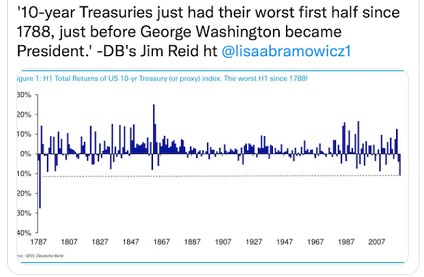
first half in the stock market since the early 1970s. At the same time, government bonds are heading into what might be shaping up to be their worst year since 1865. Inflation needs to trend lower over a period of time to satisfy policy makers and investors — not simply moderate from three straight readings above 8% between March and May.

“I don’t think we’re going back to the old regime of disinflation, but I do think inflation is going to be stickier than most people imagine,” said Chris McReynolds, head of inflation trading at Barclays UK:BARC, which trades fixings as a market maker.

“A lot of supply-chain issues have cleared up and there’s scope for some moderation compared to what we had in the spring and early summer. But we’re not going back to the disinflationary environment that we had prior to 2019. And there’s a risk that inflation doesn’t moderate enough,” said McReynolds, who was Hu’s former boss at Barclays.

Until the past year, traders of so-called fixings didn’t have all that much to sweat about. The U.S. was enjoying almost four decades of relatively low inflation, with annual headline CPI readings regularly coming in below 2% or 3%. And the Federal Reserve’s biggest challenge was how to nudge inflation sustainably higher, not lower. Players in the fixings market include traders at broker-dealers, mutual funds and mostly hedge funds — who also trade TIPS and inflation swaps, and whose activities got little attention, even sometimes within their own firms.

Then came the pandemic and the massive fiscal and monetary response from policy makers, which threw rocks into the ordinarily smoothly-running wheels of global commerce and left inflation surprisingly more persistent than just about everyone thought. 

For the past year, though, it has been inflation-derivatives traders who foresaw a more aggressive path for U.S. inflation and they have been incredibly accurate with their forecasts. For example, they’ve mostly tried to avoid calling a
peak in inflation as early as many others in the financial market did, and have foreseen each meaningful leg higher in the annual headline CPI rate since it started breaking away in April 2021: They called inflation’s move toward 6%, 7%, 8% and 8.6% even as most others clung to hopes that price pressures would fade.

Fixings market traders now expect four more months of 8% or higher annual headline readings in the consumer-price index between June and September — an outcome that few in the broader financial market may be ready for. Policy makers are
positioned for inflation, based on their preferred gauge, to fall back toward 2% by 2024 and over the long run — and many in the financial market have taken the Fed at its word, as demonstrated by falling long-run expectations in the rates market. September’s CPI number won’t be released until Oct. 13, adding to the likelihood of broader financial-market volatility through then.

Players in the fixings market have varying opinions about the inflation outlook. Those opinions are then boiled down into trades that produce implied levels for the CPI’s annual headline readings each month — or what WinShore’s Hu describes as “the collective wisdom” from the market, with the greatest certainty around the next one to two inflation prints.

Fixings also offer some of the best color on what the market is thinking about: For example, since mid-June, traders have pulled back on their expectations that CPI could start trending at or above 9% — as the result of falling gas prices, readjusting their views faster than professional forecasters.
Those traders now see annual headline CPI coming in at 8.9% for June, 8.4% in July, 8.3% in August, and 8.2% in September. From there, the rate is seen as gradually falling to as low as 3.4% next May.

If those expectations for the next handful of months play out, that would be enough to further upset financial markets, said Dec Mullarkey, the Wellesley, Massachusetts-based managing director of investment strategy and asset allocation for SLC Management, which oversaw $268 billion as of March.

That’s because the broader financial market “is buying into the idea of an economic slowdown and inflation that is going to be under control,” Mullarkey said. “A shock in which headline inflation continues to stick at these levels means the Fed will have to continue with more 75 basis point moves, the Treasury curve will have to reprice, and we would see equities down 30% on the year. That kind of persistent inflation is something the Fed couldn’t ignore, and would certainly get us into a recession by the end of the year.”


Though he calls the fixings market’s view “extreme,” he said he’s not quick to dismiss it because “inflation has not been understood in this environment and the risk is that inflation doesn’t decelerate fast enough. Incremental changes such as a drop to 7.9% or 7.7% are not enough. We need to see more substantial slowdowns. Until then, the recession trade continues and there’s a risk of a markets-led recession.”.

 
Inflation derivatives haven’t always turned out to be completely accurate — the sector can be behind the curve whenever the government changes its methodology or data sources for calculating inflation, as was the case in March 2017, September 2018, and March 2019, according to Pasadena, California-based analyst Omair Sharif, founder and president of Inflation Insights, who has tracked the sector’s track record.

Still, “for most of this past year, fixings have — for the most part — been a better predictor of CPI than most forecasters on the street,” Sharif said in an interview. Fixings, in part, “reflect the idea that we might be in a different, higher inflation regime now than in the past, whereas economists might still be using their old models to forecast inflation.”

Some of the most accurate players in the market aren’t from big-name firms, but from less well-known operations with employees whose only job is to sift through price data, said WinShore’s Hu, the 20-year veteran of TIPS and fixings trading. Devoting full-time resources to price changes virtually ensures that those trading shops are coming up with the most accurate feel for inflation, he said. Like most market players, fixings traders are highly incentivized to bet correctly and can be richly rewarded for turning out to right. 
“Every trade has a buyer and seller who can make money by being more accurate than everyone else,” Hu said. “We’re not actively trading unless we see a very clear edge, so we’re not as active as we want to be.”

Though Hu won’t disclose his current positions, strategies or firm’s returns, he’s open about his early losses. In 2003-2004, when he was a junior trader at Barclays, Hu said he suffered his first heavy loss of $500,000, or a quarter of his yearly $2 million trading budget at the time, on a three-month fixing that was the predecessor to the current one-month CPI fixing. Inflation came in higher than he expected, Hu said.
While the fixings market thinks inflation might peak around October, he said it’s hard to forecast much beyond that point. Activity in the fixings market, he points out, is priced for a sharp slowdown in core inflation after October.

“What we really know is the next one or two fixings levels. But we don’t have any information about what the world looks like after October or November,” Hu said. “The market is trying to put its best foot forward by saying, `That’s the best guess I can make.’ But we really don’t know. And everyone else doesn’t know either.”

Se proprio vogliamo estremizzare la sintesi, tutto si riassume in questa immagine che segue: in basso, leggete un commento del Premio Nobel Paul Krugman ai dati del grafico, che sono poi i medesimi dati che avete già letto nel nostro grafico precedente. Sopra al commento di Krugman, un secondo commento: che Recce’d condivide, e presenta alla vostra attenzione, per suggerirvi, ancora una volta, di:

  • fare grande attenzione ai dati, ed in particolare ai dati delle prossime due settimane; ed inoltre (di pari importanza)

  • lasciare spazio alle sorprese, per ciò che riguarda l’inflazione.

Ed, ovviamente, investire in modo conseguente.

Detto tutto ciò che oggi è davvero importante dire, a proposito del tema “inflazione”, adesso il nostro Longform’d si occuperà, sempre in modo sintetico e stringato, del nuovo tema che chiamano “la recessione”.

Anche in questo caso, il lavoro che vi regaliamo attraverso il Blog è soprattutto finalizzato a de-mistificare: il lavoro delle banche di investimento internazionali, e soprattutto delle Reti di promotori finanziari che vendono i Fondi Comuni (intascando le retrocessioni) è oggi più che mai finalizzato a rappresentarvi una “realtà che non esiste e non è mai esistita”.

Ricordate “l’inflazione transitoria”? Ricordate il “boom economico”? Ed andando indietro, ma solo di qualche anno, ricordate la “crescita globale sincronizzata” del 2018? Tutte cose delle quali avete letto, sui quotidiani, ed avete sentito parlare, dal vostro private banker oppure wealth manager oppure dal vostro Robo-advisor.

Tutte cose mai esiste. mai. Solo fantasia, e slogan di vendita dei “prodotti finanziari ad alto margine. Mai esistiti: l’obbiettivo era quello di “piazzare nel vostro portafoglio certi prodotti”, a fronte di qualche cosa che andava bene raccontare a quel tempo, anche se era evidente da subito che si trattava di fantasie, o per dire meglio di balle.

La situazione si ripresenterà? Sicuramente: quel sistema, quel modo di lavorare, quell’industria, si regge in piedi soltanto su scenari inventati: si regge sulle balle. Se quelle donne e quegli uomini che vendono gli UCITS e i Fondi Comuni di Investimento si decidessero a raccontare la realtà, così come si ricava dai fatti e dai dati, perderebbero tutti i loro Clienti.

Il loro lavoro con i Clienti si poggia al 100% sulla capacità di raccontare “quello che il Cliente vuole sentirsi raccontare”, nell’inventare sempre scenari positivi. Nel fornire assicurazioni che NON sono in grado, poi nella realtà, di garantire: ad esempio, che “i mercati finanziari poi si riprendono sempre”.

I fatti che vi abbiamo appena esposto obbligano l’esercito dei consulenti ad essere “ottimisti sempre e comunque, anche arrivando a negare l’evidenza”. cosa che tutti voi lettori avete riscontrato in decine di occasioni, e da ultimo nel 2021.

Ma vi vogliamo fare notare una cosa, davvero molto importante, e da più di un punto di vista.

Il 2022, lo abbiamo già scritto decine di volte, è oggi e sarà nei prossimi mesi un anno diverso da tutti gli altri. Per questa ragione (sostenuta da una evidenza abbondante) nel 2022 abbiamo visto, e vedremo, cose mai viste prima.

Ad esempio: oggi, vediamo l’esercito delle banche di investimento e l’esercito ancora più grande delle Reti di promotori finanziari diventare “tutti pessimisti” e nello spazio di venti giorni.

La cosa farebbe un po’ ridere, se non fosse tragica per la massa degli investitori, in Italia e nel Mondo.

Perché oggi “tutti pessimisti”? Perché nessuno vuole rimanere indietro. Nessuno vuole essere l’ultimo, a rivoltare la giacca e passare con il “nemico”. Il “nemico” solo tre mesi fa era ancora “il pessimista traditore”, ma oggi? Oggi quel “nemico” di allora ha vinto.

Ed allora, tutti a rivoltare la giacchetta, e tutti “pessimisti”. Senza analisi, senza motivo, senza ragione: solo per il fatto che adesso “tira” il pessimismo, come tema di vendita.

Qui sta il punto, e a voi conviene di comprenderlo a fondo: il “pessimismo2 tira, perché adesso il pessimismo aiuta a “vendere i Fondi e le UCITS”.

Spieghiamo: fino a sei mesi fa, si “piazzava la merce” raccontando di un (del tutto inesistente) boom economico di alcuni anni. I venditori, i private banker, i wealth manager non ne sapevano assolutamente nulla: non sono in grado di fare anche una elementare analisi economica, e allora si affidano in modo cieco a Goldman Sachs ed alla Federal Reserve (che raccontano sempre la stessa storia, all’unisono).

Oggi, per “piazzare la merce” si fa il tifo per la “recessione”: la spiegazione di questo atteggiamento, molto molto semplice, è che prima arriva la “recessione” e prima la Federal Reserve la smette di alzare i tassi di interesse.

Ed ecco qui il suggerimento di Recce’d: non fidatevi. Perché non è vero. E’ solo l’ennesima cosa inventata, l’ennesima balla.

Andiamo nel concreto. Delle possibili sorprese che potrebbero arrivare dall’inflazione 8anche nello scenario della “recessione”), abbiamo ampiamente detto più sopra.

Della “recessione”, invece, che cosa c’è da dire? C’è prima di tutto da dire che, a tutto oggi, NON c’è.

Non dovete leggere, nelle parole appena lette, una affermazione del tipo “non ci sarà mai una recessione”. Quella sarebbe una interpretazione del tutto sbagliata.

Non vogliamo neppure mettere in discussione le previsioni di chi, come la Fed di Atlanta (immagine sotto) oggi stima che anche il secondo trimestre 2022, sono il primo, farà segnare un calo del PIL negli USA.

Non vogliamo contestare le affermazioni di chi sostiene che l’Europa, già oggi, e già nel primo semestre, si trova in recessione.

Non intendiamo discutere questo. No.

Noi vogliamo affermare una cosa ben diversa: ovvero che se anche nel secondo trimestre 2022 (aprile - giugno) il PIL USA fosse calato, e se quindi, “tecnicamente” gli USA fossero in recessione, ebbene …

… ebbene questo per noi e per voi investitori ha una rilevanza pari a zero.

Fatti come questi accadono: fatti di questo tipo NON modificano né i rendimenti attesi degli asset finanziari, né il loro rischio nel portafoglio titoli (quello che si chiama downside), come Recce’d spiega e spiegherà nella sua pagina del sito che si chiama SCELTE DI PORTAFOGLIO.

Amici lettori, fate bene attenzione alle parole, ma soprattutto fate attenzione ai fatti. Di questa “recessione” a voi importa assolutamente nulla, non cambia nulla e non lascia segni nei portafogli titoli.

Se rimane la “cosa” che è oggi, significa niente, per la gestione di portafoglio.

A voi e a noi, investitori sui mercati finanziari, non importa nulla di questa “cosa”: che, come abbiamo chiarito, ha una sola funzione, che è quella di sostenere che “nel 2023 sia la Fed sia la BCE abbasseranno i tassi”.

Oggi è questo il “disco di successo dell’estate 2022”: come tutti sapete, i “dischi di successo dell’estate” dopo tre mesi nessuno li ricorda più. Farà esattamente la stessa fine il tema “la recessione” del giugno - luglio 2022.

E quindi: Recce’d oggi vi scrive che “non ci sarà la recessione”? No, è esattamente l’opposto.

Noi vi stiamo scrivendo la cosa opposta: non date importanza al tema che oggi chiamano “la recessione” per i vostri investimenti. Non è questa “cosa” qui, la recessione, ed infatti questa “cosa” non lascerà segni sui mercati finanziari. Chi oggi opera (compra e/o vende) sulla base della attuale “narrativa della recessione” sta sbagliando, e di nuovo, e di molto. Perderà altri soldi.

La “recessione” è una cosa diversa da questa “cosa” di oggi, e sarà in questo specifico episodio della storia economica una cosa molto diversa.

Non ha nulla in comune, con ciò che vedete oggi. Le ricadute saranno ampie e diverse, così diverse da ciò che oggi immaginate, che oggi voi lettori neppure potete crederci.

Che cosa sarà allora la recessione, quando ci sarà davvero?

Recce’d lo dice, lo racconta, lo spiega ai propri Clienti, e ne analizza le implicazioni solo per i propri portafogli modello.

Invece per i lettori, e gratuitamente, si limita a fornire un suggerimento: se siete tra quelli dei quali abbiamo detto in apertura del Longform’d di oggi, se siete in confusione e non riuscite a costruire il vostro scenario per il futuro, valutate attentamente se non è il caso di farsi supportare, con raccomandazioni generali e portafogli modello, da Recce’d.

E mentre valutate questa alternativa, in ogni caso, non dimenticate mai il nostro suggerimento, che abbiamo scritto anche più in alto: fate massima attenzione alla realtà, ai fatti, ed ai dati. E non fate invece attenzione ai titoli del PLUS, del TG Economia, di CNBC.

Alcuni dei dati di fatto che possono esservi utili oggi, li trovate raccolti nell’articolo che Recce’d vi offre in lettura qui di seguito, e che chiude il Longform’d, che a nostro parere dovete leggere con attenzione, con attenzione molto superiore a quella che dedicate al vostro private banker.

The recession calls are getting louder on Wall Street, but for many of the households and businesses who make up the world economy the downturn is already here.

Take Gina Palmer, who runs She Salon on Atlanta’s busy Northside Drive west of downtown. She’d ordinarily expect her business to be alive with the din of customers on a Friday morning. But on that day late last month, it was largely empty and quiet, save for a few employees. With summer break moving into full swing, her clientele is preoccupied with affording summer camps for their kids amid soaring food and gasoline costs.

“When people look at their budgets, the first thing they cut is self care,” Palmer said. “I’ve seen my clients go from having weekly appointments to bi-weekly, and my bi-weekly clients are now coming in every six weeks.”

4,000 miles away, Abbie Marshall, the landlady of The Buck Inn in the countryside of northern England, is also trying to cope with surging costs. When she took over the pub last year, she ran the numbers on a 4% inflation rate—an assumption that would normally be seen as conservative given it’s twice the Bank of England target. But now it’s above 9% and rapidly heading for double digits.

Marshall has changed the costs on her menu four times and raised the price of a pint of beer on three occasions.

For Palmer, Marshall and many others, the technical definitions of a recession—traditionally two quarters of contraction—are irrelevant.

Goldman Sachs Group Inc. economists put the risk of such a slump in the US in the next year at 30%. A Bloomberg Economics model sees a 38% chance in the same period, with the risks building beyond that time frame. But for many it already feels like it’s here. More than one-third of Americans believe the economy is now in a recession, according to a poll last month by CivicScience.

The worries among small business owners, consumers and others are illustrated by so-called Misery Indexes, which blend unemployment and inflation rates. The gauge for the US is already 12.2%, similar to levels witnessed at the start of the pandemic and in the wake of the 2008 financial crisis, according to Bloomberg Economics.

The UK is similarly elevated, and other measures echo that grim view. US consumer expectations as measured by the Conference Board have dropped to the lowest in almost a decade. Sentiment across OECD member countries has fallen for 11 straight months and hasn’t been this low since 2009.

“People are getting poorer,” said Ludovic Subran, chief economist at Allianz SE. “So this is not a recession, but it really feels and tastes like a recession.”

The reason? Prices are soaring worldwide, particularly for essential foods and fuels, eroding the spending power of families. Central banks are responding to the inflation surge, but as they push up interest rates that turns the screw on those with debts.  Workers are complaining their wages aren’t keeping up with the cost of living, a frustration that’s already led to strikes in some countries.

Quite simply, people’s money is disappearing fast, and they’re worried it could get a lot worse.

And as 2022 hits the halfway mark, new worries are taking hold. Layered on top of the inflation squeeze are the mounting concerns about the outlook for economic growth, not just this year, but into 2023. That’s sparked talk of stagflation, a nasty cocktail of little to no growth—or worse—and faster than usual price increases.

The situation is a far cry from what was once expected for 2022 and beyond, which for a time included the idea of a new “Roaring Twenties.” Instead, euphoria is in short supply and the narrative is one of downgrades.

Last month, the OECD cut its outlook for 2022 global growth to 3% from 4.5%, with even slower expansion seen next year. The World Bank lowered its projections, warning of “danger” for the economy.

Recession Odds

There’s also alarm in markets, where the S&P 500 has plunged more than 20% from its January high, and the Stoxx Europe 600 is down about 19%. The near-constant stream of warnings, along with gloomy headlines, mean there’s a chance that a recession becomes a self-fulfilling prophecy, where apprehension forces consumers and businesses to hunker down and cut back on spending. That would suck demand out of the economy, exacerbating any downturn.

A 2021 paper co-authored by Danny Blanchflower, a Dartmouth College economics professor and former BOE policy maker, said that declines in US consumer expectations gauges of 10 points or more, from either the University of Michigan or Conference Board surveys, are predictors of recessions going back to the 1980s. The Conference Board measure is down almost 30 points this year.

“The risk of a self-fulfilling recession—and one that can happen as soon as early next year—is higher than before. Even though household and business balance sheets are strong, worries about the future could cause consumers to pull back, which in turn would lead businesses to hire and invest less.”

—Anna Wong, chief US economist at Bloomberg Economics. Read more here.

For the US, the National Bureau of Economic Research is the official arbiter of recessions, which it defines as a “significant decline in economic activity that is spread across the economy and lasts more than a few months.”

Any such declaration will usually only come well into a slump, or even after it. In the meantime, the debate rages on. Deutsche Bank AG Chief Executive Christian Sewing sees a 50% chance of a global recession, a prediction that Citigroup Inc. economists have also made. Federal Reserve Chair Jerome Powell says a US recession is a possibility, but not inevitable. Morgan Stanley economists expect a mild euro-area recession at the end of 2022.

Away from that back and forth, businesses and consumers are fretting about their finances and trying to figure out how to keep their heads above water as the pressures intensify.

Wage Pain

Inflation was already heading higher coming into 2022 amid a post-Covid demand bump. Then Russia invaded Ukraine, energy and food costs jumped, and the world found itself dealing with soaring prices, a very unfamiliar situation after years of low inflation. Gasoline in the US topped an average of $5 per gallon for the first time last month.

Given the impact on basics, from filling the gas tank to the supermarket run, few have escaped the squeeze.

In New Mexico’s capital city, the cowboys at the annual Rodeo de Santa Fe last month were sweating the price of fuel more than mounting a 2,000-pound bull. The number of entrants in the contest fell by a third, which President Jim Butler blames on the price of gasoline. While farmers and truckers can pass along their fuel costs, “the cowboys don’t have it,” he said.

The tough times stretch to Asia too, where China’s Zero-Covid policy and lockdowns sent the world’s second-biggest economy into a tailspin, compounding the damage from a real estate slump. 

In Beijing, 31-year-old Tian Lijun began the year shutting the two florists she ran. After finding work as a sales representative for a high-end medical clinic, she lost that job in May. To make ends meet, she’s taken to selling flowers at stalls in community compounds and stopped shopping for anything beyond necessities.

“There’s no way to make money nowadays. I can only manage to repay my loans, pay the rent and feed myself,” Tian said. “Forget about entertainment or any other spending.”

Many have to make even tougher decisions on simple day-to-day spending, sometimes forced to choose between the electricity bill or food. UK grocery chain Tesco Plc says shoppers are buying fewer items and trading down to cheaper own-brand versions of staples.

Just as the pandemic and its recovery proved to be k-shaped, so the next deterioration may prove similarly unequal. In the UK, a report by the Resolution Foundation think tank said that years of income stagnation have left the poorest families “brutally exposed” to the cost-of-living crunch.

Phil Storey’s recent experience as chief executive at Hammersmith & Fulham Foodbank in London is more evidence of that. With food prices up almost 9%, he’s seen an increase in demand. 

“We’re seeing people who were on benefits but stable financially, people who really know how to budget, now coming to us,” Storey said. “We’re even seeing working people, those on zero-hour contracts, needing help to tide them over.”

At The Buck Inn, Marshall raises a similar concern as she tries to balance protecting her income with not driving away customers. 

“The cost of goods is moving so quickly, I have to pass that on,” she said. “But at what point does my pricing become prohibitive? Does going out become so expensive that it is only for the better off?”

Nessuno ne parla ancora oggi: perché?
 

Entriamo nella prima settimana delle trimestrali per le Società quotate (trimestre aprile-luglio) senza che la grande massa degli investitori se ne sia rasa conto.

Un rischio enorme, che la maggior parte degli investitori non a neppure di correre con il proprio portafoglio fatto di Fondi Comuni di Investimento, UCITS e Certificati assortiti.

Recce’d, per mettere dell’avviso i propri lettori, gratuitamente aveva pubblicato qui nel Blog una analisi articolata e tempestiva in un nostro Longform’d già un mese fa.

Non sarebbe di alcuna utilità, per i nostri lettori, ripetere in questo breve Post ciò che scrivemmo nel precedente del 10 luglio.

Vi proponiamo allora di leggere, con una grande attenzione, quello che scrivono gli altri a questo proposito: in particolare, per voi abbiamo selezionato un articolo pubblicato proprio questa settimana.

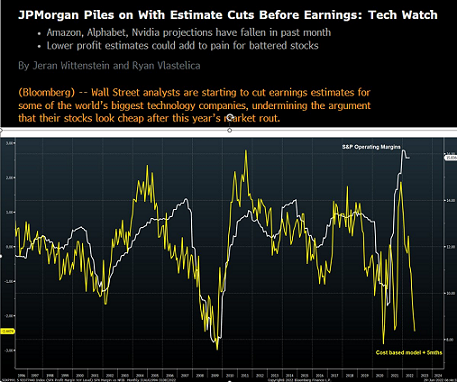
Ci ha colpito il paragone, che apre l’articolo: dove si dice che “come le Banche Centrali sono rimaste dietro la curva nel contrasto all’inflazione, così le banche di investimento sono rimaste dietro la curva nel tagliare le stime degli utili”. L’immagine è efficace, perché costringe ognuno di noi investitori a domandarci: e se la reazione dei mercati azionari fosse del tutto analoga a quella vista sui mercati delle obbligazioni nel primo semestre (nell’immagine)?

Potremmo assistere a qualche cosa di storico, così come ha fatto la Storia ciò che è successo sui mercati delle obbligazioni?


Analysts have likely been behind the curve in cutting earnings estimates as the economic outlook has worsened—and once they catch up, select sectors could be hit particularly hard.

High on the list are economically sensitive areas including apparel companies, automobiles, and other manufacturers.

“Everyone knows [analyst estimates are] too high,” wrote Dennis DeBusschere, founder of 22V Research. 

This year, interest rates have soared as the Federal Reserve looks to lower demand to combat already-problematic inflation. Meanwhile, the aggregate 2022 earnings per share estimate for S&P 500 companies has risen 2% for the year, according to FactSet.

Something has to give, and that likely means analysts need to lower their forecasts. 

The cuts have already begun.

In just the past month, the S&P 500 EPS estimate for 2022 has dropped by about 0.1%, though it is still up on the year.

During that same time, more analysts have cut their estimates than have raised them for the index’s financial, manufacturing, and consumer discretionary sectors, according to Citigroup.  

Some companies have already announced cuts to their earnings guidance. Restoration Hardware (RH) said sales for the entire year will drop year-over-year compared with a prior forecast of up 2%, and that the company’s operating margin will come in lower than previously expected. Management cited worsening demand for housing luxury goods as interest rates rise. 

But that is all probably just the tip of the iceberg. Recent earnings trends look far too high, likely necessitating even further cuts. 

Consumer durable and apparel companies on the S&P 500 are prime examples. Recently, the group’s earnings have trended at just over $25 billion annually, according to Morgan Stanley. That is well above a long-term trend of about $20 billion. 

Automobiles are another example. Annual earnings there have recently trended at $35 billion, above the longer-term trend of closer to $20 billion. 

The same is true for materials manufacturers. Profits there have trended at about $70 billion, above a longer-term trend of about $45 billion. 

The point is that the driver of those sky-high profit figures is now reversing. Trillions of dollars of monetary and fiscal stimulus in 2020 and 2021 fueled soaring consumer demand. Now, inflation and the resulting change in monetary policy are denting that demand. 

“We had such a demand spike during Covid and some of that has to normalize,” said Dan Eye, chief investment officer of Fort Pitt Capital Group. “It seems like analysts are behind the curve on adjusting earnings estimates.” 

Watch out. That could bring more pain in the stock market before the selling is all over with.