Posts in Mercati oggi
Longform'd. Fight The Fed! (parte 2)
 

Nella prima parte di questo secondo Longform’d (che abbiamo deciso di dividere in due parti per facilitarne la lettura) abbiamo scritto che per comprendere la realtà di oggi, sui mercati finanziari internazionali, è necessario:

  1. guardare al di là delle Borse, ai mercati obbligazionari, valutari e delle materie prime

  2. comprendere a fondo, e nel dettaglio, le azioni delle Banche Centrali, ed il loro ruolo (che è passivo, e non attivo) in questa fase dei mercati

  3. fare non uno, ma quattro passi indietro, e riesaminare la situazione a partire dai primi giorni del 2019

Oct_004.png

Per questa ragione, Recce’d vi ha accompagnato lungo un percorso in quattro punti, l’ultimo dei quali è la svolta del mese di agosto 2020 in casa della Federal Reserve.

La seconda parte del secondo Longform’d, che state leggendo, vi chiede di ritornare indietro di un passo, lungo quel percorso, dall’agosto del 2020 al marzo del 2020.

Siamo sicuri che la gran parte dei lettori ha dimenticato la maggior parte dei fatti del marzo 2020, e se interrogata a proposito risponderebbe raccontando soltanto i crolli di Borsa.

Oct_003.png

In realtà, il fatto più clamoroso di quel mese di crisi fu la sostanziale paralisi dei mercati dei Titoi di Stato, documentata da noi con le due immagini che avete appena visto.

Tra di voi, molti se ne sono (comprensibilmente) dimenticati, a causa dell’intensa campagna di mal-informazione delle Reti di vendita, delle TV come CNBC, e delle pubblicazioni delle cosiddette banche di investimento.

E di certo, non vi ha aiutati a ricordare questi fatti il vostro venditore di fiducia, che voi chiamate magari wealth manager oppure private banker oppure consulente addetto alla vendita.

Noi invece vi aiutiamo a ricordare i fatti di sette mesi fa: leggiamo, al proposito, un articolo della metà di marzo 2020.

Amid frenzied trading over the past week, the $18 trillion U.S. Treasury market showed cracks that raised eyebrows across Wall Street, and finally led the Federal Reserve to announce a range of measures on Sunday night including purchases of hundreds of billions of U.S. government bonds over the coming months.

Market participants say the cost to trade Treasurys with virtually identical terms but which differ in maturities by a few months has diverged sharply last week as traders struggled to buy and sell bonds in a hurry. This worrisome phenomenon underlines how volatility across Wall Street has seen trading volumes for older Treasurys slump even in the U.S. bond-market which is advertised as the deepest and most liquid safe-haven asset in the world.

“I have never seen moves like this in 35 years of trading. I’ve never seen anything like it. At this point, the market will get absolutely exhausted,” said Tom di Galoma, managing director of Treasurys trading at Seaport Global Securities.

See: Fed shifts policies to ease ‘highly unusual disruptions’ in Treasury financing markets

Iceberg

The U.S. Treasury market is much like an iceberg.

The more visible and most widely traded part of the market are newer “on-the-run” securities which are the bonds most recently issued by the U.S. government, but it’s the older “off-the-run” securities that represent the bulk of the $18 trillion market. Much of it is held by fund managers, insurance companies, pension funds, and other investors who buy government bonds to earn a steady stream of income.

After the government sells a new round of bonds to investors, those recently issued securities become the new on-the-run securities, relegating the older issues to so-called off-the-run status.

Though traders have been able to move in and out of on-the-run Treasurys with relative smoothness, it’s the less liquid and much bigger off-the-run portion of the market that has seen a sharp erosion of liquidity. This has led to a sharp widening of the price difference between the two buckets of bonds, know as the basis, in recent sessions.

The surge in trading costs for older off-the-run Treasurys highlights the enormous pressure faced by broker-dealers, the middlemen of the bond-market, who are grappling with the biggest swings in government debt yields in sometimes decades.

“If we can’t price and clear Treasurys in a very efficient manner, the market is going to have broader issues,” said Gregory Faranello, head of AmeriVet Securities.

In calm trading, the difference in prices between newer and older Treasurys is usually slim.

That’s because textbook financial theory imply there should be little to no difference for Treasurys with close-to-identical maturities, and so hedge funds, broker-dealers and other fast-moving traders will try to take advantage and bet that this spread, or basis, will eventually narrow.

For example, a patient trader could short an on-the-run 30-year bond maturing in 30 years and buy an off-the-run 30-year bond that was issued half a year ago. After a few months, the on-the-run bond becomes an off-the-run, losing value and eventually trading in line with the other off-the-run bonds. By doing this, the trader profits from this convergence.

Postcrisis liquidity

During times of intense volatility like this week, dealers, however, will demand a hefty premium to trade off-the-run Treasurys, as it could be difficult to take them onto their balance sheet and offload them again to a willing buyer.

“In the high-speed, high-volume, intense trading in the last few weeks, it’s hard to turn your inventory quickly around,” said Jim Vogel, an interest-rate strategist at FHN Financial.

On the other side, mutual funds and other investors promise their clients that they will be able to pull money in and out of funds on a day-to-day basis. These investors who have seen their off-the-run Treasurys holdings record double-digit gains in the span of a few weeks are now trying to sell their bonds and book profits, said market participants.

This mismatch in demand has led to a surge in the difference between the prices offered by buyers and the prices sellers are willing to accept, or the bid-ask spread, for off-the-run bonds.

“The market might clear. You just won’t like the price,” said Susan Estes, president and chief executive of OpenDoor Securities, a trading platform for off-the-run Treasurys, and a former member of the Treasury Borrowing Advisory Committee.

Investors say the lack of liquidity has also been compounded by changes in the overall bond market’s infrastructure since the financial crisis.

The consolidation of banks in the aftermath of 2008 means the bond market is now relying on a narrower group of broker-dealers to connect market participants who want to buy and sell their bonds. In addition, dealers have been saddled with post-crisis regulations that mean they cannot lever up their balance sheet to trade at a much larger capacity like they could in the past.

“Pre-crisis, on-the-runs and off-the-runs were indistinguishable as pools of liquidity,” said Estes.

Di Galoma says the bid-ask spread for an off-the-run 10-year note was as high as 50 basis points on Thursday. In other words, to sell $1 million of such notes, investors would have to give up $5,000 of the overall transaction’s value to complete the trade.

Bid-ask spreads for the 10-year note would usually stand at around a single to a few basis points.

In the context of the hundreds of billions worth of bonds changing hands every day, trading costs can thus head into the millions of dollars. For example, close to $5.7 trillion worth of Treasurys were traded in last week alone, according to the Financial Industry Regulatory Authority.

“You couldn’t trade off-the-run Treasurys even if you begged people,” said Gang Hu, managing director of WinShore Capital Management, a fixed-income hedge fund.

Faranello concurred. On Monday, there were times when traders could not find anyone willing to sell off-the-run 30-year bonds, a rare occasion in the most liquid financial asset in the world, he said.

At the end of the day, the 30-year bond yield TMUBMUSD30Y, 1.643%   had booked the biggest back-to-back decline since October 1987, the month of the Black Monday stock market crash.

Funding strains?

Trading costs for off-the-run Treasurys tend to blow up when strains arise in short-term funding markets as they did when the 1998 implosion of the hedge fund Long-Term Capital Management, which had borrowed from short-term funding markets to scale up its billion-dollar wagers on bond-market spreads such as those between older and newer Treasurys to narrow.

In 1998 a lack of illiquidity amid worries over financial crises in Europe and emerging markets saw demand for the most liquid on-the-run Treasurys soar and appetite for off-the-run bonds dwindle.

This blew up the price difference between the two buckets of bonds, forcing LTCM to unwind and liquidate its positions, and freezing funding markets as banks realized one of their biggest borrowers was at the risk of collapsing.

Read: New York Fed to add liquidity into short-term markets unsettled by coronavirus

But market participants say the recent blow-out of bid-ask spreads for older Treasurys is not so much a reflection of funding pressures, and more a reflection of how dealers were struggling to handle unprecedented daily volatility in the bond-market.

It’s why Priya Misra, global head of rates strategy at TD Securities, in an interview with Bloomberg Television said the Fed’s repo liquidity injections would not help smooth dislocations in the Treasury market.

The U.S. central bank offered up $1.5 trillion of funds through longer-term repurchasing operations this week, in which it lends short-term funds to designated broker-dealers in return for collateral such sa Treasurys. The take-up of the operation was, however, limited.

Investors also point out funding costs have remained contained.

At the start of Tuesday, market participants could borrow in overnight repo markets at 10 to 15 basis points above the Federal Reserve’s benchmark interest rate, or around 1.2%, said Hu. That same session saw the biggest rally in the 10-year benchmark Treasury note since 2009.

This compared with the seizure in funding markets last September which saw overnight borrowing costs jump to as high as 10%.

Stepping in

Indeed, the Fed appears to be switching tack.

Beyond increasing the size and maturity of its repurchasing operations, the New York Fed said Thursday the $60 billion of bonds it was scheduled to buy from mid-March to mid-April would not only target short-term Treasury bills, but government bonds across all maturities.

Analysts say this tweak is targeted directly at easing the lack of liquidity in off-the-run Treasurys, as the Fed’s purchases of longer-term bonds would target older issuance not newer debt, wrote Kathy Bostjancic, chief U.S. financial economist at Oxford Economics.

And on Sunday, the U.S. central bank said it would buy at $500 billion in Treasury securities and $200 billion in mortgage-backed securities over the coming months, beginning on Monday. Investors said these purchases are likely to be aimed at the off-the-run bond market.

Treasury issuance

Investors say the lack of liquidity in the off-the-run Treasurys shines a light on the workings of financial markets, at a time when it could come under increased pressure in the coming months as the coronavirus epidemic impacts economies and markets.

As the U.S. Treasury Department ramps up bond issuance to accommodate the government’s bulging fiscal deficits, the amount of new debt issuance that cascades into the pool of older off-the-run bonds will increase with every year.

“The off-the-run market has become more and more critical, the U.S. is issuing more and more debt,” said Faranello

Se dopo avere letto questo articolo che vi riportiamo (eventualmente, tradotto con un traduttore sul Web) qualche cosa ancora vi sfugge, allora vi chiediamo di leggere anche le dichiarazioni del Chairman della Federal Reserve, Jay Powell, dopo la riunione della Federal Reserve del 10 giugno scorso, ovvero quattro mesi fa:

In its statement, the Fed said it would increase its holdings of US Treasuries and agency mortgage-backed securities “at least at the current pace to sustain smooth market functioning”. Later on Wednesday it announced plans to buy about $80bn of Treasuries between June 12 and July 13, maintaining its roughly $20bn a week rate.

During his news conference, Mr Powell pushed back against criticism that the Fed’s easy money policy had unduly lifted asset prices — particularly the share values of risky companies — and risked destabilising markets in the future and exacerbating economic inequality. “What our tools were put to work to do was to restore the markets to function, and I think some of that has really happened . . . and that’s a good thing,” Mr Powell said.

Queste frasi sono, al tempo stesso, chiare ed in forte contrasto con altre parole di Powell, che lui disse quel medesimo giorno.

“I think our principal focus is on the state of the economy, and on the labour market, and on inflation,” he added, dismissing “the concept that we would hold back because we think asset prices are too high” as detrimental to “the people that we are actually legally supposed to be serving”.

Ci sono tre cose, in queste frasi, che ogni investitore farebbe bene a tenere a mente:

  1. la Federal Reserve è stata creata per servire gli interessi della collettività (Powell dice “del popolo”); Powell stesso dice “quel popolo che si assume che noi dovremmo servire

  2. la Federal Reserve ha due obbiettivi definiti dal proprio Statuto: da un lato la massima crescita dell’economia, dall’altro il controllo dell’inflazione, e lo dice anche Powell

  3. poi però Powell dice: “ci rifiutiamo di moderare gli interventi soltanto perché i prezzi degli asset finanziari sono troppo elevati”.

Frasi contradditorie fra loro, ed in contraddizione con le frasi precedenti che vi abbiamo riportato: ed in particolare con la frase che dice “ciò che ci proponevamo, mettendo al lavoro i nostri strumenti, è di mantenere in funzione i mercati finanziari”. Quindi: i mercati finanziari, oppure l’economia?

Le contraddizioni sono evidenti, ma forse qualcuno tra i lettori si sta chiedendo: “e dove sta il problema, per mé?”.

Il problema, il vostro problema, amici lettori e investitori, il vostro problema urgente, ed il vostro problema quotidiano è facile da spiegare, e noi lo facciamo con due sole frasi:

  1. Powell giustifica le proprie azioni spiegando che aveva l’obbligo di “mantenere i mercati finanziari funzionanti”, a prima vista, e sulla base dell’intuito, è condivisibile; poi però riflettendoci viene alla mente una domanda: è vero quello che dice Powell, ovvero che “mantenere i mercati funzionanti” è un modo per “aiutare l’economia”? Chi lo dice? Che cosa lo dimostra? Chi lo ha scritto? Quali meccanismi dovrebbero mettersi in moto?

  2. Powell afferma che non vuole “tirarsi indietro soltanto perché i prezzi sui mercati finanziari sono troppo elevati”. E qui, la cosa diventa davvero preoccupante. Per noi investitori. Perché qui Powell dimentica (e nessuno lo aiuta!) (oppure forse fa finta, di dimenticare) (ma a nessuno viene in mente di fare una domanda? é possibile?) dimentica che la più dolorosa vicenda economica degli ultimi 70 anni, che colpì noi come cittadini, come madri e padri e fratelli e figli, e che a quel tempo fu altrettanto grave del COVID-19, è quella che fu chiamata Grande Crisi Finanziaria, si svolse tra il 2007 ed il 2009, e portò vicinissimi al fallimento tutti i grandi Stati Industrializzati. E sono trascorsi appena 13 anni: come si fa, a dimenticare che la Grande Crisi Finanziaria fu provocata esattamente da quel fatto, proprio da quello che Powell ha definito il 10 giugno “asset prices are too high”?. Come è possibile dimenticare il diluvio di promesse, che fu fatto allora, quando anche la Federal Reserve ci spiegò che “ad ogni costo si eviterà il ripetersi di una situazione di questo tipo”. E oggi, invece, ci siamo di nuovo: anzi, oggi è peggio.

Non potete sfuggire a queste domande, se avete soldi investiti sui mercati finanziari: le due questioni oggi sono al centro dell’attenzione, e dei pensieri di ogni investitore che abbia ancora un minimo di raziocinio, e da ogni professionista minimamente qualificato, che abbia conservato anche un livello bassissimo di senso di responsabilità.

Rivediamo i nostri due punti precedenti, riscrivendoli con nostre parole:

  1. è giustificato assumere che concentrando i supporti, le facilitazioni, i favori, i regali sul settore delle banche e della Borsa, si ottiene poi davvero un miglioramento dell’economia che consuma, che produce, che investe? Non esiste un solo, anche misero documento che lo prova, meno ancora un dato (leggete ad esempio nel grafico sotto). Ad oggi, si tratta unicamente di parole, di promesse. promesse di comodo? parole strumentali, per sfuggire all’imbarazzo? Lo sapremo tutti a breve, perché la cosiddetta “seconda ondata” dell’epidemia sarà esattamente il test perfetto per questo tipo di affermazioni

  2. è giustificato dimenticare la Grande Crisi Finanziaria del 2007-2009? dimenticare che “prezzi troppo elevati degli asset finanziaria” citati da Powell possono distruggere le economie reali, come fecero tredici anni fa?

Oct_007.png

I due temi meriterebbero (e forse meriteranno) due Longform’d dedicati in esclusiva ad ognuno. Oggi, non c’è lo spazio. Possiamo soltanto testimoniarvi, con due immagini sotto, che all’interno della Federal Reserve le opinioni che Powell espresse in giugno sono, a tutto oggi, ampiamente condivise. E’ questa la nuova linea, ed è questa la nuova ortodossia che circola negli ambienti delle Banche Centrali.

Sept_2020_119.png
Sept_2020_122.png

Dove ci sta portando, questa gente? Noi e voi, come investitori, siamo chiamati a rispondere oggi, e non dopo, quando un eventuale danno ai portafogli titoli sarà già stato fatto. Numerosi investitori ragionano (o meglio, non ragionano) in questo modo: le Banche Centrali sono onnipotenti, e i banchieri centrali sono sovraumani. Non possono sbagliare, non hanno mai sbagliato, e vinceranno sempre sui mercati.

Recce’d la pensa nel modo opposto: i banchieri centrali sono funzionari pubblici, molto umani, esattamente come quelli che stanno al Ministero, alla Regione ed alla Provincia. Anche volendo escludere la malafede (cosa che a noi, negli ultimi anni, è risultata via via più difficile) si tratta di uomini con una loro esperienza ed un loro bagaglio. Non necessariamente, uomini infallibili, e non necessariamente uomini che hanno un grado elevato di comprensione delle economie reali. Quanto ai mercati finanziari, questi uomini che abbiamo oggi sicuramente hanno poca esperienza diretta, una conoscenza superficiale, e sono supportati sicuramente da un set di dati non completo.

E poi, c’è la storia recente: dal Duemila ad oggi, due profonde crisi finanziarie ed una terza che fino ad oggi è stata messa in frigorifero. Per essere infallibili, hanno davvero fallito un bel po’.

Oggi, poi, come detto, in questo 2020, i banchieri centrali hanno perso la loro autonomia di giudizio, sono stati costretti (dai fatti, dalle economie, ma soprattutto dalla fragilità dei mercati) a fare mosse non sperimentate prima, mai testate, del tutto azzardate, e a costruire dopo, a posteriori, una spiegazione (che è una giustificazione) per le loro scelte.

E’ stata fabbricata una teoria, a questo scopo: che dice che “non importa quanto sono elevati i prezzi degli asset finanziari: la bolla finanziaria è a fin di bene se salva i posti di lavoro” (sopra). Si tratta di un’affermazione, una speranza, si tratta di parole: neppure troppo intelligenti.

Questa speranza è destinata a fallire,. per una ragione semplicissima: perché prezzi degli asset finanziari essendo “troppo elevati” trascineranno al ribasso non solo le Borse e le obbligazioni, ma pure le economie, come avvenne nel 2000-2003, e poi nel 2007-2009.

Come abbiamo scritto già nel nostro primo Longform’d, il punto critico, il primo ambiente che mostrerà profonde crepe, è il mercato del debito (e ne stiamo parlando ogni mattina, in queste settimane, nel nostro The Morning Brief riservato ai nostri Clienti.

Negli Stati Uniti, come anche in tutto il mondo occidentale, la risposta alla crisi economica che si è manifestata fin dalla fine del 2018 (parole di Draghi e di Powell) e che poi è esplosa un anno e mezzo dopo con la pandemia COVID-19 è stata affidata alla crescita (esplosiva) dei debiti. A fronte di un PIL in netto calo, è quindi esploso anche il rapporto tra debito e PIL.

Come abbiamo già scritto, per ogni unità di debito, allo stato delle cose come è oggi, c’è quindi meno valore sella produzione. Di fatto, il valore del debito è già stato ridotto.

La scelta delle Banche Centrali (che proprio in questo senso sono le nemiche di tutti noi investitori) è stato quello di garantire a questo debito un valore del tutto artificiale, slegato dalla realtà: lo hanno fatto acquistando loro stesse i titoli, con denaro di nuova creazione, ovvero con denaro che prima non esisteva.

Potrebbero, le Banche Centrali, comperare tutto il debito del Mondo, e risolvere così la questione? Sì, potrebbero stampare la moneta necessaria per comperare tutto il debito del Mondo: ma poi, non esisterebbe più un mercato. E tutto crollerebbe in un solo istante. Il mercato può fare a meno delle Banche Centrali, ma le Banche Centrali non esisterebbero, senza un mercato.

Da qui, Recce’d ripartirà con il suo terzo Longform’d, che per il momento sarà ancora gratuito e leggibile in questo Blog.

Mercati oggiValter Buffo
Longform'd. Fight the Fed! (parte 1)
 

Quello che vi presentiamo in questo Post è una anteprima. La seconda, dopo quella che avete visto nel mese di agosto.

In questo Post, potete infatti vedere il formato di una nostra nuova serie di pubblicazioni. La nuova serie, che si chiama appunto Longform’d), fa parte di un certo numero di nuove iniziative di comunicazione che Recce’d lancerà nel prossimo trimestre.

Nel Longform’d, noi manterremo il nostro solito stile, asciutto, to the point e legato all’attualità dei mercati finanziari: ma andremo più a fondo. La situazione nella quale investiamo i nostri soldi è seza precedenti, e richiede analisi di maggiore ampiezza: tutto ormai è correlato.

Non troverete alcuna indicazione operativa in Longform’d: quelle sono ovviamente riservate ai nostri Clienti.

Si tratta di un tipo di analisi che oggi non potete trovare in alcuna altra sede. Non lo trovate leggendo i quotidiani, oppure seguendo le TV specializzate, e soprattutto non lo trovate nel materiale pubblicitario delle Reti che vendono Fondi Comuni.

Per i primi episodi, questi Longform’d verranno messi in modo gratuito a disposizione del pubblico.

Poi, sarà introdotta una formula a pagamento: sia perché il lavoro si paga, sia per scoraggiare i perditempo, sia per non fare un favore ai venditori, che ogni giorno sono alla disperata ricerca di un nuovo argomento per “piazzare la merce”.

Nel Blog, abbiamo deciso di presentare ai lettori questo secondo Longform’d diviso in due Post successivi, per facilitarne la lettura.


A fronte di fatti senza precedenti, come la pandemia che ci ha colpiti nel 2020, ognuno di noi, in qualsiasi posizione lavorativa e sociale, si ritrova costretto ad improvvisare una reazione, a dare una risposta ad un’emergenza che non esiste nei libri di testo, neppure nelle migliori Università.

Di fronte alla pandemia, molte persone hanno scelto di schierarsi su posizioni estreme: da un lato il terror panico e la fobia, ed all’estremo opposto la negazione di chi sostiene che “non è importante, e non bisogna cambiare stile di vita”

Esponenti politici di primo piano hanno assunto un atteggiamento del secondo tipo: in particolare negli Stati Uniti, nel Regno Unito, in Brasile. Molti uomini politici, e personaggi noti ai media, lo hanno fatto anche in Italia. Non ha detto bene a loro, almeno fino a oggi 25 ottobre 2020.

Ma in situazioni come queste, che sono senza precedenti, c’è da mettere in conto la comparsa di atteggiamenti estremi, perché disperati: hai paura e non sai più di chi fidarti.

Ci si può fidare soltanto del tempo. Il tempo mette a posto ogni cosa, e con il tempo i fatti forniscono le risposte: di chi puoi fidarti e di chi avresti dovuto fidarti fin dall’inizio.

Come declinare queste considerazioni, analizzando la situazione dei mercati finanziari internazionali?

I mercati finanziari esprimono ogni giorno il loro modo di vedere, molto più tempestivi di qualsiasi sondaggio di opinione.

Ma attenzione: i prezzi che tutti i giorni vedete sui mercati finanziari non riflettono unicamente delle libere opinioni. I prezzi sui mercati finanziari esprimono un “modo di vedere le cose” che è gravemente condizionato dagli interessi economici particolari.

Il mercato dei titoli finanziari fino ad oggi è stato dominato da operatori che possono offrire ai Clienti, e guadagnare, soltanto dalle posizioni cosiddette LONG: compera la Borsa, compera le obbligazioni, compera le valute. vendere? mai. Si tratta di operatori che devono “vendere la merce”, “piazzarla” all’investitore finale. E la merce sono i Fondi Comuni di investimento, le polizze Unit Linked, i certificati. Si devono vendere all’investitore (anche agli investitori istituzionali, ovviamente, come i Fondi Pensione e le assicurazioni) , come dice la Direzione Commerciale: e riuscire poi a non farlo mai uscire, a non farlo mai vendere.

Ecco spiegata in modo semplice per la quale, in questo 2020, dopo la forte caduta del mese di marzo sia le azioni sia le obbligazioni sono tornate sui prezzi massimi di sempre. Nella sua ingenuità, lo ha spiegato benissimo il Presidente Donald J. Trump, che dice “Prezzi di Borsa più alti fanno tutti più ricchi”, e non importa se a quei prezzi corrisponde effettivamente un sottostante che ha un maggiore valore, oppure se si tratta di prezzi costruiti … sull’aria. Se quando poi vai a vendere quell’asset finanziario, ci ricavi dei soldi ma non c’è nulla da comperare.

Si spiega in questo modo il fatto che tra aprile e giugno il mercato ha puntato tutto su una ripresa a V, e quindi su una rapida soluzione di ogni problema, epidemia inclusa. Senza avere alcun fondamento o alcuna ragione solida a sostenere questo punto di vista.

Poi, da giugno ad oggi, tutto si è fermato sui mercati finanziari. Ed è ritornata anche l’epidemia. Adesso, che cosa succederà?

Per rispondere a questa domanda, partiremo da una premessa che è necessaria. Forse, avete sentito qualcuno affermare che i consulenti indipendenti prendono posizioni critiche al solo scopo di attirare l’attenzione: perché cercano il clamore che richiama l’interesse. Forse, qualcuno tra i nostri lettori ha pensato in qualche occasione che Recce’d assume troppo spesso posizioni negative, oppure critiche, oppure tutte e due.

Noi, in Recce’d sappiamo che non è così: e lo possiamo dimostrare molto facilmente, e a chiunque: sarà sufficiente, proprio per chiunque, ritornare indietro di qualche anno, e leggere quello che c’è scritto qui, in questo stesso Blog, ed in pubblico, e da anni, Poi rispondete voi stessi, da soli: siamo forse stati troppo pessimisti? Oppure Recce’d è stata realista, mentre chi vi ha detto, e ripetuto, in modo insistente, che tutto va bene e che non esistono dubbi sul futuro è alla meglio un ingenuo, ed alla peggio un imbroglione?

Ma torniamo a noi: in Recce’d sappiamo di non essere pessimisti. Anzi, la posizione di Recce’d è decisamente ottimista in questo 2020: noi siamo pienamente fiduciosi nella forza del libero mercato e della libera economia, che senza ombra di dubbio saprà creare nuove ed enormi opportunità travolgendo un sistema economico ormai spinto ai limiti della collettivizzazione, sul modello dell’economia collettivizzata di Krushev e Breznev

Ed infatti, Recce’d ripete da anni che le opportunità di guadagno sono enormi, ed in questo 20’20 del COVID-19 le opportunità di investimento sono le maggiori degli ultimi 100 anni; e siamo molto, molto ottimisti e fiduciosi, perché i nostri Clienti queste opportunità le potranno cogliere.

il punto, è capire come.

Per questo, è necessario ritornare a quelli che dicono che chi è scettico, chi è critico, che non porta il proprio cervello all’ammasso e sceglie di guardare in faccia la realtà è un pessimista, magri uno jettatore, uno che vuole per forza vedere tutto nero

C’è chi dice che sono in particolare gli indipendenti, ovvero i gestori (quali siamo noi di Recce’d) ed i consulenti che hanno scelto la strada dell’indipendenza dalla grande industria del risparmio, a puntare tutto sul pessimismo, sul sottolineare i rischi, e sul non volere accettare che “tutto andrà bene”

A tutti questi amici, che diffondono questa idea tra il pubblico dei risparmiatori, a tutti questi “autorevoli” opinionisti, anche a quelli interessati, noi regaliamo qui di seguito un articolo pubblicato dal Financial Times la settimana scorsa

Questo articolo lo ha scritto un professionista del settore: ma non è un gestore ovvero un consulente indipendente: no, chi scrive qui è lo strategista (senior) di una delle più grandi banche internazionali, ovvero HSBC: leggete e ripensate a quello che noi abbiamo appena scritto qui sopra. Noi commenteremo dopo che avete letto


The deficit reality is that we are in effect borrowing from our collective economic futures

Stephen King OCTOBER 22 2020 The author is HSBC’s Senior Economic Adviser and author of ‘Grave New World’

In a world in which government debt is rapidly rising, it’s hardly surprising that there’s growing interest among investors in Modern Monetary Theory. After all, one of its central claims is that budget deficits are, from a financing perspective, an irrelevance. So long as increased government borrowing doesn’t lead to inflation — and, at the moment, there really isn’t much of it around — we can all afford to relax. As Stephanie Kelton notes in her book The Deficit Myth, governments with access to a printing press are “currency issuers” (exceptions include, most obviously, members of the eurozone). As such, all their spending could, in principle, be financed via the creation of cash. Taxes may serve other purposes — the redistribution of income and wealth, the discouragement of “sinful” behaviour — but, in the world of MMT, they serve no useful macroeconomic role.

In the real world, however, taxes are crucial. The fundamental difference between government finances and those of companies and households is not access to a printing press but, instead, the coercive power to raise taxes. A company making a severe loss cannot reduce that loss by imposing taxes on everyone else. A government can. A worker receiving a pay cut cannot force others to make up the difference. A government can.  Armed with this knowledge, creditors are understandably willing to accept mostly lower returns on government bonds than on other investments.

Put simply, the risk of government default in the face of an adverse economic shock is lower than for other would-be borrowers. Admittedly, there are limits, dictated largely by the political capacity of a government to raise revenues in difficult circumstances. Emerging markets often end up resorting instead to devaluation, default or inflation. In anticipation, borrowing costs spike. Still, imagine for a moment that governments embrace MMT. Imagine too, as MMT proponents suggest, that control of the printing press is taken away from unelected central bankers and given to “accountable” elected fiscal representatives. Would we be any better off? Far from it. Giving elected representatives the keys to the printing press is the equivalent of giving a gambling addict the keys to the casino. For many politicians, the primary objective is to remain in power. As such, they will too often be incentivised to pursue instant gratification at the expense of longer-term stability. 

In the early-1970s, the UK embarked on what became known as the “Barber boom”, thanks to the efforts of Conservative chancellor of the exchequer Anthony Barber to engineer an election victory in 1974. As it turned out, the Tories lost and, two years later, the UK ignominiously had to accept a bailout from the IMF. Central bank independence provides a useful bulwark against such behaviour. More importantly, inflation and taxes are, in many ways, simply two sides of the same coin. Those governments without access to tax revenues can instead “debase the coinage”. Supporters of MMT claim this will never happen, yet history suggests otherwise: after all, it has been a tried and tested policy of kings and queens over hundreds of years. Too often, those with access to the printing press are prepared to take undue risks in the hope that “this time it’s different”. Recommended Martin Wolf The threat of long economic Covid looms In truth, inflation helps solve the financing issues that proponents of MMT claim no longer exist.

Negative real interest rates, a result of higher-than-anticipated inflation, serve to redistribute wealth away from private creditors (pensioners, for example) to public debtors. Much the same could be achieved through a wealth tax. At this point, we come full circle: the distinction between the printing press and taxes begins to break down.  Thanks to Covid-19, government debt is rising rapidly and, for that matter, appropriately. In the face of recurring lockdowns, we are better off allowing companies and workers to enter a period of economic “hibernation” in the hope that, once the virus is under control, they can thaw out. The alternative of multiple business failures and mass unemployment is of no use to anyone. In the process, however, we are in effect borrowing from our collective economic futures. 

At some point, some of us will be presented with a bill which, if hibernation policies succeed, we will be in a reasonable position to pay. The political process will decide whether that bill comes in the form of higher taxes, more austerity, rising inflation or eventual default. That, I’m afraid, is the deficit reality.

Ci sono numerosi riferimenti alla teoria MMT, in questo articolo. Se interessati, potete leggere ciò che Recce’d ha scritto su MMT, qui nel Blog oppure su SoldiOnline.it, negli ultimi anni. Ma anche se non lo fate, la comprensione di questo Longform’d è in ogni caso possibile.

Chiusa la parentesi MMT, torniamo a noi. Nelle parti dell’articolo che abbiamo evidenziato in grassetto, lo strategista di HSBC ci offre uno spunto utilissimo, per ritornare al nostro primo Longform’d, quello di due mesi fa

E qui chiudiamo la premessa (troppo lunga?) ed entriamo nel merito del nostro secondo Longform’d, che è quello anticipato dal titolo. Sia il titolo di oggi, sia il titolo di agosto.

Oct_005.png

Un investitore consapevole, in questa parte finale del 2020, deve rendersi conto che le Banche Centrali oggi sono il peggiore nemico della propria sicurezza finanziaria, e della stabilità del proprio portafoglio di investimenti. E deve agire sul proprio portafoglio nel modo che ne consegue.

Dopo alcuni decenni di “Don’t fight the Fed” ora il nuovo imperativo è quello opposto, per qualsiasi investitore: “Fight The Fed”

Come già chiarito, nel precedente Longform’d, noi di Recce’d scriviamo soprattutto a proposito della Federal Reserve americana non per il gusto dell’esotico, bensì perché la BCE ormai conta poco, per i mercati finanziari e quindi per i nostri investimenti. E la Banca del Giappone conta nulla. Entrambe, la BCE e la BoJ, sono costrette in un angolo, da cui non possono uscire, e quindi sono impotenti. Se voi seguite con una certya regolarità i mercati finanziari, ve ne sarete sicuramente resi conto: sui quotidiani ed ai TG la BCE occupa sempre la prima pagina, ma se poi andate a vedere la reazione dei mercati alle mosse della BCE (dopo una settimana, un mese oppure un anno) non trovate mai nulla.

La sola Banca Centrale le cui mosse possono oggi influenzare il rendimento dei nostri investimenti è la Banca di Cina. Oltre alla Fed, naturalmente.

Nella situazione che oggi dobbiamo affrontare, e per le scelte che oggi dobbiamo fare per i nostri investimenti ed i nostri portafogli, è necessario avere una comprensione profonda di ciò che la Banca Centrale più importante del Mondo dice, e di ciò che poi fa (le due cose raramente corrispondono, come vedremo dopo).

Un esempio concreto: in questo preciso momento, è possibile comprendere perché le Borse hanno perso la loro centralità, e sono meno importanti di obbligazioni, valute e materie prime, soltanto se si ha capito nel dettaglio ciò che succede nel Magico Mondo dei banchieri Centrali.

Ma lasciamo da parte l’operatività sui portafogli. E procediamo con ordine, ripartendo dall’inizio. Che è il 2019.


la svolta ad U del 2019

Oct_001.png

Siamo certi che la gran parte dei nostri lettori non ricorda. ha dimenticato. Eppure, la nostra storia di oggi inizia proprio in quel gennaio 2019: è allora, nel gennaio 2019, che arriva il primo riconoscimento ufficiale che “abbiamo dei problemi”.

In modo ufficiale, si comunica al Mondo intero che “la più grande economia della storia” non è mai esistita, che ci sono forti rischi per la crescita delle economie, e per conseguenza che ci ci sono rischi per la stabilità finanziaria. Da dove arrivarono in quel gennaio, i segnali che portarono a questa marcia indietro precipitosa, ed anzi una vera e propria “svolta ad U”? Ovvio: dai mercati finanziari.

A spiegarlo, due anni fa, furono in coro la Banca del Giappone, la BCE, e naturalmente la Federal Reserve. Rileggiamo che cosa scriveva, il 2 febbraio 2019, il quotidiano Wall Street Journal

By Nick Timiraos

Feb. 2, 2019 7:00 am ET

The Federal Reserve reversed course earlier this past week when it put interest rate rises on hold, prompted by rising risks to U.S. growth in the months ahead, rather than any signs the economy’s health is faltering now.

Fed Chairman Jerome Powell signaled on Wednesday the central bank will move to the sidelines to see whether the threats—including from the slowing global economy, trade tensions and the effect of the Fed’s rate increases over the last two years—generate a sharper-than-anticipated slowdown for a U.S. economy that continues to look solid by most measures.

The Fed’s new stance marked a U-turn from six weeks earlier when it raised rates and penciled in two increases in 2019.

To understand what happened, consider the two risks officials have confronted over the past few years.

One is the risk that inflation accelerates as economic slack disappears, forcing the Fed to raise rates rapidly. This framework is embodied by the Phillips curve, which holds that tighter labor markets will drive stronger wage growth and faster price increases. While this relationship has broken down in recent decades, it strongly animates thinking inside the Fed.

The second risk is that a world of slower growth and an excess of savings over investment means the economy can’t tolerate interest rates as high as they used to be. This is sometimes called “secular stagnation.” It is one reason Japan’s aborted efforts to raise interest rates in the 1990s and early 2000s kept throwing its economy into recession.

After many years of historically slow U.S. growth, the economy accelerated last year. Fed officials began worrying more about the inflation risk, which under the Phillips curve framework called for lifting rates to pre-empt those price pressures. For more than a year, the unemployment rate has been at or below the bottom of a range—from 4% to 4.6%—that Fed officials estimate is consistent with stable inflation.

Why Investors Are Obsessed With the Inverted Yield Curve

Amid a shaky marketplace, investors are eyeing the yield curve for signs of economic stability. History shows that when the yield curve inverts, a recession may soon follow. Photo Composite: Stephanie Swart for The Wall Street Journal.

In addition, tax cuts and federal spending increases last year provided new economic stimulus. A similar episode during a low-unemployment spell in the late 1960s led to high inflation.

But this time, inflation hasn’t taken off, and has instead stayed just below the Fed’s 2% target. With the economy facing new headwinds, Mr. Powell said Wednesday the inflation risks had diminished—and with it, the need for additional, pre-emptive rate rises.

“They have shifted to being more worried about secular stagnation than they are about the risk of late-‘60s inflation,” said Lewis Alexander, chief U.S. economist at Nomura Securities.

While global growth had shown signs of stumbling last year, data for Europe and China turned worse last fall. One problem for the Fed is that its main macroeconomic model doesn’t neatly account for global economic and financial linkages that began buffeting markets last year, said Andrew Levin, a former Fed adviser who now teaches at Dartmouth College.

“You’re in an environment where U.S. rates seem low but they’re actually high” compared to other rich economies, said St. Louis Fed President James Bullard in an interview.

Meanwhile, the Fed’s moves to raise rates had started to bite. Steven Blitz, chief U.S. economist at TS Lombard, traces the market’s recent swoon and the ensuing Fed pivot to late September, when the central bank pushed interest rates above the inflation rate for the first time in a decade.

For investors, higher rates meant something they hadn’t seen in a while: the ability to earn money holding cash. The return of cash as a viable asset class contributed to the repricing that has taken hold across other investment classes, said Mr. Blitz.

(…) Officials in early December had begun thinking about slowing their rate increases in 2019 and how to communicate this shift publicly.

They raised rates at their Dec. 18-19 meeting and sought to signal this milder policy path, said Mr. Bullard.

Their projections charted a shallower path of future rate increases. Mr. Powell tried to signal greater uncertainty about that path at his press conference. And the Fed’s policy statement watered down its language signaling future rate increases.

“All of that was not enough,” said Mr. Bullard.

Markets were already nervous about slowing global growth, trade tensions and the Fed’s rate plans before the December meeting. Investors turned even gloomier when Mr. Powell sounded more committed to tighter policy than many thought was warranted by the gathering growth risks.

Market volatility in the following days fueled a sudden rise in borrowing costs for businesses and households and falling stock prices. Short-term bond yields began rising above longer-dated yields, a so-called inversion of the yield curve that often precedes recessions by a year or two.

Inverted yield curves can steer lenders away from long-term loans to more-profitable short-term debt, constraining the availability of credit.

These tighter financial conditions shifted the way Fed officials perceived the risks to their forecast, particularly because it looked like poor communication about their intentions might be responsible for the narrowing in bond-yield spreads.

Financial markets settled down on Jan. 4 after Mr. Powell signaled more strongly that rate increases would be on hold.

Fed officials are calculating the combined effects of tighter financial conditions and a slowdown in foreign economies could keep a lid on domestic inflation, even if U.S. economic growth remains solid this year.

“Inflation is not running away from us,” said Dallas Fed President Robert Kaplan in an interview Friday. “My base case for the next couple of quarters would be that we take no action.”

Prendete nota: ciò che la Federal reserve anticipò ai mercati a metà dicembre del 2018 (“i tassi di interesse ufficiali verranno normalizzati nel 2019 perché tutto va bene, e quindi e saliranno”) fu del tutto smentito da ciò che la Federal Reserve disse ai mercati trenta giorni dopo (“i tassi di interesse scenderanno perché le cose non vanno bene”). Trenta giorni. . Pensateci bene, perché potrebbe succedere di nuovo. Ed anzi, succederà.

la ripresa delle operazioni di QE nel settembre 2019

Era dunque il gennaio 2019, circa due anni fa, quando improvvisamente tutte le Banche Centrali del Pianeta si dissero “preoccupate”. Di che cosa? Del fatto che i mercati finanziari erano in calo, in quei mesi. E tanto bastava per metterli nel panico.

Per il resto, come avete potuto leggere sopra, c’era soltanto una gran confusione, nulla di preciso e nulla di chiaro (Trump in quei giorni continuava ad insistere sulla “più grande economia di sempre”).

La realtà è che erano i mercati finanziari a preoccupare, a fare paura ai banchieri centrali. L’effetto calmante, la forte anestesia, che le Banche Centrali avevano messo in circolo nel gennaio 2019, annunciando la fine della normalizzazione e quindi dei rialzi dei tassi ufficiali, era già finita (prima ancora di essere cominciata, per dire tutta la verità). L’effetto calmante durò poco o nulla.

E infatti, nel settembre 2019, eravamo tutti nuovamente in emergenza, Ce lo spiegò proprio la Federal Reserve, che ci disse che il mercato interbancario negli Stati Uniti aveva smesso di funzionare, e che era indispensabile intervenire subito, ed in modo massiccio: fu allora, nel settembre del 2019, sei mesi prima dell’epidemia da COVID-19, che la Federal Reserve ci spiego di dovere ricorrere, nuovamente, al QE, il quantitative easing. Anche se con un pudore che sfiorava l’ingenuità per qualche mese si tentò di spiegare al pubblico che quel QE … “non era un QE, ma solo un acquisto di titoli pubblici con soldi creati dalla Banca Centrale”.

E quindi un era QE. La vicenda fu poi ribattezzata dai media come “Repo-crisis”, la crisi dei Repo (che poi sono i pronti-contro-termine”).

Oct_002.png

Voi lettori ed investitori in quei mesi venivate rassicurati quasi ogni giorno, naturalmente dalla Rete di promotori altrimenti detti private bankers, ma pure dalla stampa nazionale e internazionale, dai TG, da CNBC ed altri media specializzati, e anche dai politici (Donald J. Trump in testa) che “tutto andava per il meglio”, che “non c’erano problemi”, che “i mercati finanziari sono stabili”.

Non era vero. Erano balle.

Lo hanno dimostrato i fatti successivi: primo fra tutti, e più clamoroso di tutti, il fatto che quelle “misure di emergenza” sono continuate fino ad oggi, ed anzi sono poi cresciute nelle dimensioni e nello spettro degli strumenti utilizzati. Ma sopra ogni altra cosa, lo dimostra il fatto che, la settimana scorsa, è stata la stessa Federal Reserve a riconoscere, in una dichiarazione pubblica, che quelle operazioni iniziate nel settembre 2019 erano da intendersi come un QE. Lo leggete nell’immagine sotto, e lo potete facilmente recuperare sul Web.

Oct_006.png

Ai più attenti, ai non-venditori, a chi ragiona con la propria testa, e con competenza, era chiarissimo già allora. Eravamo ritornati in una situazione di crisi. Recce’d lo scrisse più volte, nelle diverse sedi nelle quali pubblichiamo il nostro lavoro di analisi. Lo scrivemmo anche nel Blog: eccone qui un esempio del settembre 2019 tra i tanti disponibili nel nostro Blog ancora oggi. Ed eccovi anche le nostre considerazioni di quattro mesi più tardi, nel gennaio 2020, e quindi prima dell’esplosione dell’epidemia.

Quindi, noi non eravamo pessimisti. Noi non eravamo “quelli sempre negativi”. Noi eravamo lucidi, ed abbiamo tenuto per voi gli occhi aperti, lavorando ed analizzando. Gli altri invece erano confusi. Oppure incompetenti. Oppure imbroglioni. Oppure un po’ di tutte e tre le cose.


il COVID-19 nel febbraio 2020

Recce’d iniziò una serie di Post sull’epidemia di COVID-19 il 29 gennaio 2020 (fate attenzione alle date, è tutto documentato): quello che successe nelle settimane che seguirono si poteva vedere chiaramente già allora, ovvero a fine gennaio. Il COVID-19 fu banalmente il pretesto che portò sotto i riflettori fragilità e debolezze che erano già prima ben chiare, sia a noi sia a chi esercita l’Autorità (politica e di politica monetaria) come i fatti che avete appena letto vi dimostrano.

No: noi non siamo dei geni, e neppure dei maghi o delle cartomanti.

Sono gli altri, la gran parte degli altri, che NON VUOLE vedere quello che tutti vedono. Era così nel gennaio 2020, ed è così anche oggi.

La nostra serie di Post dedicati agli effetti del COVID-19 sui mercati finanziari proseguì nelle settimane successive, fino alla fine di marzo: ecco qui un link.

Era chiaro, già allora, che nel pubblico degli investitori si sarebbe diffusa una crisi di fiducia. Di fiducia nella Banche Centrali. Noi lo scrivemmo qui.


la svolta dell’agosto 2020

Come in tutte le tre precedenti occasioni che abbiamo appena riportato alla vostra attenzione, anche nel mese di agosto 2020 la Federal Reserve è stata costretta ad agire. Non è stata una decisione di Powell: è stata soltanto una conseguenza, una mossa automatica, una mossa forzata. Il mercato striilla e la Fed risponde, sempre. .

La Fed, come le altre maggiori Banche Centrali, si è cacciata in una situazione nella quale non è più libera di agire: deve, viene costretta ad agire, e ad agire in una certa direzione, dalle fragilità di un sistema, che è perennemente a rischio crollo. E nessuno lo sa meglio delle Banche Centrali, in costante ansia ed apprensione.

Ed è per questo che nell’agosto 2020, la Banca Centrale americana decide di annunciare una svolta, che è forse la svolta più importante di tutta la sua storia, e che sui mercati finanziari (fino ad oggi) pochi hanno capito e nessuno ha spiegato, nelle sue implicazioni, al pubblico dei risparmiatori.

Nessuno lo ha fatto, tutti hanno finto di ignorare la cosa, allo scopo difendere interessi di parte, interessi che sono opposti a quelli del risparmiatore finale, al quale Recce’d si rivolge, senza passare per alcuna mediazione (che sia il “prodotto finanziario” oppure che sia il “venditore ovvero promotore ovvero private banker ovvero family banker ovvero wealth manager ovvero consulente).

Noi di Recce’d, che investiamo i vostri risparmi senza per questo affidarli a qualche misterioso gestore che sta dall’altra parte del Mondo (e che non informa il venditore di quello che sta facendo oggi e che farà domani coi soldi del Cliente), noi di Recce’d facciamo un lavoro quotidiano di informazione ed analisi, per la gran parte rivolto in modo esclusivo ai nostri Clienti, perché il Cliente deve in ogni momento capire, prima di investire.

Spiegare dopo, ai Clienti, perché si sono fatti i danni è un mestiere di altri: è il mestiere dei promotori finanziari, dei consulenti, dei private bankers e dei wealth managers. Di tutti quelli che, fino a un minuto prima, vi dicono che “non potrebbe andare meglio, è tutto calmo, non ci sono incertezze all’orizzonte”.

Recce’d investe sul rapporto con il Cliente, ed investe moltissimo: infatti, noi possiamo dire oggi di avere un rapporto con il Cliente che è unico. Nessun altro operatore del nostro settore ci arriva neppure vicino.

Questo di cui stiamo parlando nel Post è un esempio eccellente: sulla svolta della Federal Reserve, che risale a due mesi fa, tutta l’industria ha steso un velo di silenzio. Commercialmente, non si può andare a raccontare che la Fed punta ad una inflazione al 2,5%, ed allo stesso tempo spiegare al Cliente perché “il Fondo Comune Obbligazionario è un ottimo affare”. Non è possibile, dato che nella situazione attuale una scelta simile garantisce a chi ci investe delle forti perdite.

Come faccio a vendere i Fondi Comuni, le polizze Unit Linked, e i certificati, con dentro obbligazioni che rendono se va bene lo 0,50%, dopo che dalla fonte più ufficiale che esista mi si dice che l’inflazione salirà al 2,50%, e che io perderò (almeno) il 2% l’anno? Come glielo spiego?

Ed ecco la ragione per la quale tutti, dai private bankers ai family bakers, dai promotori finanziari a certi cosiddetti consulenti, tutti hanno steso un velo, nascondendo ai Clienti la realtà. Ovvero, che andranno a perdere soldi, se rimangono investiti così come sono investiti oggi.

Noi di Recce’d al contrario di questo argomento abbiamo già scritto: a questo tema abbiamo dedicato il nostro primo Longform’d due mesi fa.

Oggi, ci ritorniamo perché proprio dai mercati è venuta la conferma che è questo, il tema centrale: ovvero che dopo anni passati ad occuparci solo di Borsa (anche per effetto di spinte improprie dall’esterno) nei prossimi mesi ed anni al centro dell’attenzione degli investitori ritorneranno le obbligazioni ed i loro rendimento, insieme con le valute e le materie prime.

Vediamo, perché, ricapitolando in modo sintetico la situazione nelle sue caratteristiche principali.

Già prima dell’annuale appuntamento tra i banchieri centrali a Jackson Hole, in agosto, era diffusa la convinzione tra gli analisti che qualche cosa sarebbe successo.

When Federal Reserve Chairman Jerome Powell opens the Kansas City Fed’s annual gathering of global central bankers and economists on Thursday, some observers expect a “historic” and “profoundly consequential” unveiling of new policy thinking on inflation targeting. But Powell’s speech—the culmination of a project that began almost two years ago when the Fed pledged to “conduct a broad review of the strategy, tools, and communication practices it uses”—probably won’t deliver much beyond what had already become standard practice before the emergence of the coronavirus. Nor will Powell’s speech likely be used to make news with new plans for boosting the economy. So far during the pandemic, the Fed has been perfectly willing to act when necessary without regard for its formal meeting schedule—cutting rates twice between meetings as well as launching a host of crisis-era programs and new facilities to keep markets and businesses functioning. Instead, the likeliest refinement to be laid out in the speech is a formal endorsement of “average inflation targeting,” an idea devised a couple of years ago by Thomas Mertens and John Williams of the Federal Reserve Bank of New York. Indeed, according to the minutes of the Fed’s Open Market Committee’s July 28-29 meeting, the policy review review is likely to lead only to refinements of the Fed’s existing “Statement on Longer-Run Goals and Monetary Policy Strategy.”

Come abbiamo scritto più in alto, la Fed è stata costretta a fare questo annuncio, definito sopra “storico ed insieme profondamente consequenziale”. Non è stata una libera scelta di politica monetaria: la Fed è stata costretta ad agire così dal fallimento della propria politica, quello a cuii si devono sia la “inversione ad U” sia la ripresa del QE del 2019, episodi dei quali abbiamo scritto più in alto.

An effective monetary policy operates via several mechanisms. Unfortunately, none of them works very well at the moment. Central banks can offer cheap financing for government spending, but that’s of little use if the political consensus to act breaks down, as it has in the U.S. Easy money can induce borrowing and spending in the private sector, but that requires a fall in the real rate of interest, which is difficult to achieve if inflation is also falling. Slashing interest rates can weaken the currency, making exports cheaper, but if foreign economies aren’t growing overseas sales won’t pick up much. Monetary easing boosts asset prices, but if the associated increase in wealth is in the hands of the “haves,” overall spending won’t increase much. Many of these challenges will be on the minds of central bankers as they exchange views over Zoom. Absent the towering Tetons, central bankers may struggle to find much monetary inspiration. We believe that Powell will indicate the Fed’s willingness to tolerate higher inflation. He may emphasize the need for symmetrical inflation outcomes around a 2% objective, permitting the Fed to accommodate an overshoot of inflation now, after a prolonged period of below-target outcomes. If so, the Fed’s intention will be to lower real interest rates via a rise in longer-term inflation expectations. Lowering real interest rates is necessary to boost the effectiveness of monetary policy. But it is not sufficient. As Keynes pointed out nearly a century ago, the real rate of interest will not equilibrate savings and investment at full employment if confidence in the future (“animal spirits”) is eroded. Still, in the absence of supportive fiscal measures, the Fed must do what it can.


Da ciò che vedete, tutti sapevano: la scelta era stata ampiamente anticipata attraverso i mezzi di informazione. Restano ad oggi invece del tutto oscure, mai spiegate, le motivazioni. La Fed ha annunciato una svolta nei propri obbiettivi (che prima erano la crescita dell’economia reale, ed al tempo stesso la protezione dall’inflazione) annunciando di avere come obbiettivo una maggiore inflazione, ma non ha spiegato quali saranno le implicazioni di questa svolta. Come sempre si vuole fare passare il messaggio che la svolta non costa nulla ma farà stare tutti meglio. Una panacea, e a costo zero!

Naturalmente, anche questa è una balla. E noi, investitori, le conseguenze ce le dobbiamo andare a capire, a stimare, a calcolare da soli. Oppure con l’aiuto di qualcuno, che ne abbia gli strumenti e le capacità: che sia quindi un consulente nel senso proprio, e non un “consulente che in realtà è un venditore di prodotti”.

Noi con il nostro Lonform’d di oggi regaliamo a tutti lettori un aiuto, un contributo, una serie di elementi informativi che li aiuteranno a prevedere le conseguenze di questa svolta.

In estrema sintesi (questi temi sono stati, e saranno, oggetto di specifici approfondimenti nelle nostre varie pubblicazioni dedicate ai Clienti) ecco un elenco delle implicazioni che saranno più importanti per noi investitori, attraverso una nostra accurata selezione di interventi e commenti.

(I contributi che leggerete sono in lingua inglese, d’accordo: ma come avete letto è ufficiale l’inclusione nel vocabolario della lingua italiana Devoto-Oli di termini come “lockdown” “droplet” “spillover” e molti altri, quindi, anche a voi lettori chiediamo un pizzico di adattamento e di pazienza)

  • When I first came into the business 21 years ago, the dollar was strong and interest rates were high. Financial conditions were tight. This meant that companies had to be very disciplined in order to sell goods overseas and meet debt service costs. Now, financial conditions are very loose, and corporations are flabby. I am starting to think that this is the rule, rather than the exception. Can you imagine a Treasury secretary today saying that he or she was pursuing a strong dollar policy? Can you imagine Fed Chairman Jerome Powell raising interest rates to 3%? That is what we would need to wring the excesses out of the economy and the stock market. That is what we would need to fight inequality. If you don’t take the pain now, there is going to be more pain later. From a fiscal and monetary standpoint, the presidential election is more or less irrelevant. We’re on a path to financial destruction, and one outcome will get us there a little faster than the other. If tech and financialization were the two big trends from the last 20 years, inflation will be the big trend of the next 20.

  • The Fed replaced its old symmetric 2% inflation target with a flexible average inflation-targeting framework. It emphasizes that the Fed will target an inflation overshoot in recoveries following inflation shortfalls during downturns. This has important implications for economic and policy outcomes over the medium term. Most specifically, under Powell’s leadership the Fed has now solidified a more dovish path than in previous recoveries. Under the new outcome-based approach, the Fed needs evidence of inflation before raising rates, rather than simply forecasting that it will rise. Had this policy framework been in place in the last cycle, with inflation and unemployment evolving exactly as they did, the Fed might have delayed lift-off to as late as 2018, with its overall policy stance more accommodative for longer. It’s not just policy outcomes that are likely to differ. A change in monetary policy dynamics is likely to feed through to inflation expectations, which are relevant to price- and wage-setting. This would make it more likely that the Fed can achieve its inflation targets over the current cycle and that average 2% inflation outcomes are attainable over time. To be sure, the change in the Fed’s framework makes us even more confident that inflation will be structurally higher over this cycle and beyond.

  • However, unlike nominal rates, real yields are not subject to these constraints and have a higher degree of freedom to reflect deteriorating macroeconomic fundamentals. What this implies is a (growing) level of decoupling between breakevens and inflation fundamentals. Meanwhile, BofA's models for breakevens are starting to show some significant widening relative to levels implied by fundamentals (roughly 20bp wide in the macro framework for 10y BEs, and 28bp in a more stringent model that takes into account the nominal level of yields, oil prices, and a liquidity conditions ). That said, while recent BE widening reflects some level of decoupling from inflation fundamentals driven by the zero rate floor and ultra-easy monetary policy, the depreciating dollar and some pricing of stagflation scenarios may have also contributed to the move. Stagflation?  A far more ominous scenario is that, as Cabana notes, some investors may be pricing the risk of a stagflation scenario, as reflected by the growing inflows into inflation protected funds. Some may also expect higher inflation supported by ongoing QE and/or higher import prices supported by the depreciating dollar. That said, fund flows have slowed substantially after making up for March outflows likely due to the recent moderation of overall economic activity. Overall, the nominal/real rate and dollar dynamics are likely better suited to explain the recent rise in breakevens.

  • Federal Reserve officials’ promises to hold interest rates very low for a long time could pose a dilemma once the pandemic is over: how to deal with the risk of asset bubbles. Those concerns flared when Dallas Fed President Robert Kaplan dissented from the central bank’s Sept. 16 decision to spell out those promises. The Fed committed to hold short-term rates near zero until inflation reaches 2% and is likely to stay somewhat above that level—something most officials don’t see happening in the next three years. “There are costs to keeping rates at zero for a prolonged period,” Mr. Kaplan said in an interview. He added that he worries such a commitment “causes people to take more risk in that they know it’s much less likely that they’re going to be able to earn on savings.” The question of whether the Fed should raise rates to prevent bubbles from forming has long vexed officials. Mr. Kaplan’s concerns show how the lack of consensus could one day sow doubts over the central bank’s ability or willingness to follow through on the new lower-for-longer rate framework Fed Chairman Jerome Powell unveiled last month. (…) “I share a lot of Rob’s concerns,” said Boston Fed President Eric Rosengren, who doesn’t have a vote on the Fed’s rate-setting committee until 2022. “I am worried about financial-stability aspects of this policy. I think we’re going to need to address it over the next couple of years,” he said in an interview. Financial-stability concerns motivated Mr. Rosengren to vote against three separate interest-rate cuts last year. He has warned for years of potential excesses building in commercial real estate that would worsen a downturn, a prophecy he worries the pandemic will fulfill. “People reach for yield in commercial real estate when interest rates get quite low, and you start doing riskier projects, and when the economy hits a shock—in this case, it was a pandemic—it means that big losses are going to likely occur,” Mr. Rosengren said.

La nostra analisi proseguirà in un secondo Post, al quale per agevolare la lettura abbiamo affidato la seconda parte di questo secondo Longform’d.

Come già anticipato nel primo Longform’d, questi nostri documenti hanno l’obiettivo preciso di offrire al lettore una panoramica che sia non soltanto completa ma pure analitica, che presenti con ordine al lettore tutti gli elementi di giudizio, e che metta il lettore nella condizione di capire se i suoi investimenti attuali poggiano su basi solide e su scelte fatte in modo consapevole, e con tutte le necessario informazioni.

Abbiamo documentato nel primo Longform’d, e lo faremo anche nella seconda parte di questo lavoro, le ragioni per le quali Recce’d ritiene utile mettervi in guardia contro il principale nemico del vostro benessere finanziario: le Banche Centrali.

Mercati oggiValter Buffo
La differenza fondamentale (e il caos che ne seguirà)
 

I cittadini degli Stati Uniti, a differenza di noi che viviamo in Europa, e di molti dei cittadini delle Nazioni asiatiche, non hanno mai assistito al crollo di un sistema. E non stiamo riferendoci solo ai cittadini oggi in vita: il crollo del sistema, nella loro storia me nella loro cultura, non esiste, o meglio, esiste soltanto nei libri.

Per questa ragione, e comprensibilmente, si comportano come se il loro sistema fosse indistruttibile e fosse in grado di proteggerli da ogni difficoltà.

E proprio per questa ragione, il risveglio sarà, purtroppo per loro, tragico.

Ovviamente, i cittadini degli Stati Uniti sono molto affezionati a questo sogno: perché li culla, li tranquillizza, li distende.

Anche per questo, eleggono alla Presidenza uomini politici il cui unico tema è: prolungare nel tempo la potenza del sistema americano. Che (secondo questi personaggi) non è migliorabile, non è perfettibile, e deve soltanto essere perpetuato. Per sempre. E, naturalmente, inclusi anche gli aspetti più negativi e deleteri.

Quel sistema, oggi, è tenuto in vita da un respiratore artificiale: senza le macchine, sarebbe già crollato. Le macchine sono quelle che stampano moneta alla Federal Reserve. Anche se la storia non si ripete mai, spesso fa rima: lo scrisse Mark Twain, ed oggi lo stiamo tutti vedendo, con la democrazia negli Stati Uniti che sembra per molti aspetti la democrazia tedesca negli Anni Venti.

Perché un qualunque gestore di portafoglio, come è Recce’d, si addentra in temi scivolosi, e complessi, come i temi della Grande Storia e della Grande Politica? Perché nessuno lo fa, nessuno affronta questo argomento, in particolare nel mondo degli investimenti e del risparmio.

Ed un investitore che non comprende la tragica grandezza di questa stagione della politica è del tutto fregato.

Chi, tra voi lettori, si perde dietro a questioni del tutto marginali, come il Recovery Fund, gli accordi commerciali tra USA e Cina, Brexit, o peggio il dibattito tra PD, 5 Stelle e Lega, cade nella trappola di una politica (non soltanto italiana) che punta soltanto a distrarre l’attenzione del pubblico dalle gravissime questioni che pesano su un sistema in disfacimento.

Torniamo perciò al respiratore che in questo momento costringe il sistema economico dei Paesi Sviluppati ad una vita artificiale i cui danni saranno pagati dai nostri e dai vostri figli e nipoti.

Tra i protagonisti di questa stagione disgraziata c’è senza alcun dubbio Mario Draghi.

Sept_2020_026.png

Per quale ragione Mario Draghi si senta in potere di fare un’affermazione come quella che leggete qui sopra, noi non lo capiamo. Per quale ragione Mario Draghi si sia sentito autorizzato a caricare sulle future generazioni un debito di dimensioni mai viste nella Storia dell’umanità, non è dato sapere. Perché i giovani dovranno pagare questo debito? E perché lui ha deciso così?

Che cosa faccia pensare, a Draghi e a tutti quelli che gli fanno da coro (inclusa per intero tutta la stampa italiana) che questa sia una oculata, e produttiva, gestione della politica economica, è impossibile capirlo. Perché per definire una politica come questa, c’è una sola espressione che risulta azzeccata, centrata, ed efficace: si tratta del commento del ragionier Fantozzi, salito sul palco dopo una ennesima proiezione della Corazzata Potiomkin.

In un contesto come questo, c’è un elemento che favorisce noi europei rispetto agli Stati Uniti: e lo abbiamo citato all’apertura di questo Post. Si tratta dell’esperienza e della memoria storica.

A differenza degli americani, gli Europei sanno perfettamente che cosa significa la caduta di un regime: fino a sei mesi prima, il regime sembra essere indistruttibile, e destinato a durare per un tempo infinito. Poi, ed in brevissimo tempo, il sistema semplicemente scompare, portando con sé vittime e (inevitabilmente) un disastro economico.

E’ stato così sia per l’Impero di Napoleone, sia per l’Impero asburgico, sia per i regimi nazi-fasciti, sia per il socialismo reale.

Gli Stati Uniti non hanno esperienza, non hanno memoria storia, della caduta di un sistema, e sono innamorati del loro sistema: non possono pensare di perderlo, proprio come in certe canzoni pop nelle quali cuore fa sempre rima con amore, che dicono “non posso vivere senza di te”.

Ed è questa, la sola spiegazione possibile sia per scelte di politica economica del tutto incontrollate, del tutto azzardate, mai sperimentate. In una parola: disperate.

Ed è questa la sola spiegazione per atteggiamenti e comportamenti da disperati, come quelli a cui avete assistito anche nel mese di agosto 2020, per ciò che riguarda la Borsa in generale, ed in particolare per titoli azionari come Apple, Tesla, ma pure Hertz e Kodak.

Nei momenti della disperazione, sull’orlo del baratro, in passato si ricorreva alla guerra: anche a costo di mandare i bambini al fronte, con la divisa, l’elmetto ed il fucile.

Una barbarie che resta indelebile nella storia dell’umanità.

Oggi, nel 2020, si mandano allo stesso modo i bambini avanti, ma non al fronte: li si manda al disastro spingendoli ad investire in Borsa, attraverso operatori come Robinhood, pur di vincere le prossime Elezioni.

Cavalcare il caos che ne seguirà è possibile, e il guadagno potenziale è enorme per chi saprà investire seguendo schemi nuovi e non vecchi arnesi del marketing (tipo la asset allocation, i ribilanciamenti periodici, il benchmark e così via).

Perché sulle rovine del caos nascerà un sistema (finalmente!) rinnovato, più efficiente, meno costoso, e capace di produrre migliori risultati. In politica, in economia, e anche (finalmente!) nel settore del risparmio, della consulenza agli investimenti, della negoziazione in titoli.

Spazzando via quei vecchi catorci improduttivi che per decenni hanno scannato gli investitori finali, in Italia e nel Mondo, prendendo i soldi dalle loro tasche.

Mercati oggiValter Buffo
Le ricette di nonna Pina
 

Chi si ama la cucina, e preferisce le ricette tradizionali alle star della TV, trova spesso nella tradizione una fonte di ispirazione. Si trova sempre una ricetta della nonna da riproporre ed eventualmente aggiornare.

Gli ingredienti della tradizione culinaria sono semplici, e spesso collegati al territorio: riproposti oggi, dovrebbero restituire i “sapori di una volta”, anche se non sempre è possibile.

I mercati finanziari sono, ovviamente, una materia diversa dalla cucina. Anche nel mondo dell’investimento finanziario, ci sono le star della TV e dei media dalle quali ogni giorno arrivano ricette che solo in apparenza sono innovative ma che nella realtà sono sempre le medesime ricette, le vecchie care ricette della Nonna Pina.

Un esempio? Un esempio eccellente è la “diversificazione”, che viene regolarmente presentata come un modo efficace ed anche semplice per gestire il rischio del portafoglio.

Una vecchia ricetta, oggi del tutto inefficace. Non solo inutile, anche dannosa.

Sept_2020_069.png

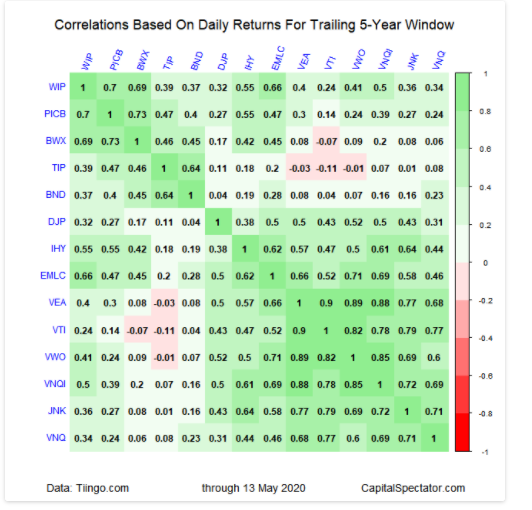
Ai tempo della Nonna Pina, era sufficiente buttare un po’ del proprio denaro a destra, ed un po’ del proprio denaro a sinistra, et voilà la ricetta era riuscita. Oggi, ragionare in questo modo è, semplicemente ridicolo: chi vi suggerisce di “diversificare” buttando un po’ di soldi in America, un po’ in Asia ed un po’ in Europa, ignora (forse per semplice ignoranza oppure forse per cattive intenzioni) i numeri che invece dovrebbe conoscere. I numeri che ci dicono che da anni la correlazione tra i mercati delle diverse aree geografiche è elevatissima.

Buttando semplicemente i soldi un po’ di qua ed un po’ di là non si “diversifica” un bel nulla. E’ necessario guardare alle FONTI del rischio, analizzare e comprendere. Cosa che, però, una gran parte dell’esercito dei cosiddetti “consulenti” non è in grado di fare.

La “diversificazione” intesa in questo modo serve solo, al vostro wealth manager, al private banker, ed al family banker, per liberarsi delle responsabilità: lui non è in grado di formulare una autentica “consulenza”, non capisce nulla di ciò che accade in questo momento sui mercati. E allora, una buona soluzione è quella di … mettere un po’ di soldi dappertutto. Butto poche fiches su tanti numeri della roulette, e magari … uno ci piglia!.

Sept_2020_068.png

Facciamo ora un secondo esempio: la asset allocation. La asset allocation, intesa nel modo tradizionale (quello che gli anglosassoni chiamano 60/40) negli anni è stata trasformata dall’esercito dei venditori in una potente “arma di persuasione di massa”, dove al posto del termine “persuasione” si dovrebbe utilizzare il termine “imbroglio”.

La asset allocation, quella per la quale oggi voi avete in portafoglio un 30% di azioni, un 50% di obbligazioni, un 10% di materie prime ed un 10% di alternativi, quella che “va bene su tutte le stagioni”, si fonda su basi inesistenti, si fonda su assunzioni sbagliate, si fonda su dati che sono stati falsificati per convincervi.

Un esempio? Il più evidente è quello che riguarda le azioni: “l’azionario è più rischioso, ma nel lungo termine rende di più”. Semplicemente, non è vero: oggi, non è vero che è più rischioso dell’obbligazionario, e in aggiunta non è vero che nel lungo termine rende di più. Lo abbiamo documentato anche qui nel Blog.

A che cosa serve questo tipo di “asset allocation”? L’utilizzo che ne viene fatto dalle Reti dei promotori è quello già descritto sopra. Io ci metto dentro un po’ di cose diverse, e almeno una andrà bene.

Un terzo esempio? Le obbligazioni danno più sicurezza al vostro portafoglio di investimenti. Anche questa come la precedente è una affermazione falsa. Come la precedente, anche questa è una ricetta di nonna Pina. Peggio. questa è una autentica, e sostanziale, sciocchezza. Una cretinata, se ci consentite il termine.

Altri esempi? Scriveteci, e ne parleremo al telefono con voi quando per voi è più conveniente.

Con le ricette di nonna Pina oggi si può fare un ottimo ciambellone: ma se utilizzate le ricette di nonna Pina oggi, in questo mercato, per gestire il vostro portafoglio titoli ed impiegare il vostro denaro, allora oggi siete pressoché sicuri che perdete soldi e che state facendo (come sopra) una cretinata.

Una curiosità: non abbiamo idea dei rapporti che esistono tra Paolo Basilico (ex Kairos) ed il Corriere della Sera: di quali “accordi dietro le quinte siano stati presi”. Siamo però colpiti, ed incuriositi dal fatto che in prima pagina sul sito del Corriere si faccia pubblicità ad un libro per il quale Basilico ha scritto la prefazione.

Sept_2020_067.png

Paolo Basilico fu per anni al veritce di Kairos, Società di Fondi Comuni la cui storia si può leggere sul Web (dal suo inizio, alla sua fine) e i cui risultati (per i Clienti che hanno investito sui loro Fondi Comuni) si possono trovare sul sito di Morningstar ed altri siti.

Perché ne parliamo oggi? Perché questo libro si collega, in modo perfetto, a ciò che stavamo dicendo più in alto: si tratta del libro delle ricette di Nonna Teresa, un’amica di Nonna Pina.

Ottime ricette, per carità, ma scritte 100 anni fa. E non è una buona idea, nel mondo degli investimenti, fingere di non sapere che sono cambiati i mercati, che sono cambiati gli strumenti, che sono cambiati gli investitori, che sono cambiate le economie, che è cambiata la politica. Che è cambiato il Mondo.

Facciamo un paragone calzante: tra voi lettori di questo Blog, ci saranno probabilmente numerosi lettori di libri. E se oggi, un amico vi chiedesse un parere sulla letteratura contemporanea, quella degli anni 2000, voi al vostro amico quali nomi fareste? Immaginiamo che nessuno di voi, per spiegare la “Letteratura del 2020”, suggerirebbe di leggere Luigi Pirandello, Marcel Proust, Franz Kafka, James Joice, Italo Svevo, Thomas Mann, Virginia Woolf, Louis Ferdinand Céline, Michail Bulgakov e Robert Musil. Che ovviamente restano grandi classici, da leggere per crescita culturale. Ma nessuno consiglierebbe ad un autore contemporaneo di “scrivere come Italo Svevo”: non vi pare?

Per fortuna, nel settore del risparmio gestito, centinaia di migliaia di persone hanno letto Graham, ma non esiste un solo gestore che si affida in modo integrale alle teorie di Graham per gestire i soldi (per ragioni che sono ovvie): purtroppo, il lettore del Corriere della Sera non viene informato di questo. Al lettore del Corriere della Sera viene fatto credere il contrario, ovvero che si tratti di un testo di grande attualità, e quindi utilizzabile per scegliere se investire oppure non investire in Borsa, e su quali titoli. Leggete qui di seguito:

( …) focalizzatevi sulla distinzione tra speculazione e investimento, sulle figure dell’investitore difensivo rispetto a quello intraprendente, sui trucchi per evitare di essere succubi di Mr. Market e delle sue fluttuazioni, sugli obiettivi realistici di lungo termine che occorre darsi quando si parla della gestione del proprio denaro. Che siate esperti di mercati o solo alla ricerca di una bussola in un mondo finanziario sempre più difficile da decifrare, tutto quello che vi serve lo trovate nelle pagine e nel genio di Graham.

Conclusione. Non abbiamo dubbi sulla genialità di Graham: ma che cento anni fa potesse immaginare il QE ed Apple, i derivati e i Fondi Comuni di Investimento, ci sentiamo di escluderlo. Il debito pubblico allora neppure esisteva (nella versione attuale), lo stesso possiamo dire dei Fondi Pensione, di CNBC, di Twitter, e la lista potrebbe continuare.

Siamo certi che nel libro di Graham tutto questo non c’è. E che quindi, all’opposto di ciò che scrive l’articolista, NON lo troverete nel libro. A voi, investitori del 2020, serve ben altro: servono anche quotidiani più competenti, affidabili, e trasparenti nelle intenzioni. A voi, amici lettori, oggi serve Recce’d, poi la sera in poltrona potrete leggere Graham per esercitare la mente (oppure guardare un episodio di Law and Order o Montalbano).

Ripeto: non sappiamo degli accordi sottostanti, e non sappiamo del perché di questa pubblicità occulta da parte del Corriere. Ma riteniamo di segnalare ancora una volta che il ruolo dei quotidiani italiani, nei confronti di tutti gli investitori, rimane quello di aumentare la confusione e NON aiutare a capire la realtà nella quale operano. L’investitore italiano deve essere stordito, così si tiene tutti quei bei BTp e tutti quei luccicanti Fondi Comuni di Investimento.

Mercati oggiValter Buffo
Come la vedono gli altri: aggiornamento del settembre 2020
 

In Italia, nessuno la vede con la propria testa quando si parla di mercati finanziari. Non esistono destra e sinistra. Non c’è il PD, la Lega, non ci sono i 5 Stelle.

Nessuno nel mondo degli investimenti e dei servizi al risparmio esprime una opinione, una visione, una strategia propria, una strategia che si discosta da quella della massa.

In Italia, sia i “consulenti”, sia le Reti di promotori finanziari come FINECO, Azimut, Banca Generali, Fideuram e Mediolanum, sia le case di Fondi Comuni di Investimento italiane, al Cliente ripetono, ogni giorno e tutti i giorni, le medesime cose che tutti voi leggete ogni giorno e tutti i giorni sui quotidiani, oppure ascoltate su CNBC TV.

Mai una osservazione originale, meno che mai critica. Mai una visione indipendente. Mai una analisi che si discosta. Mai un’idea che sia propria, autentica. Tutti allineati e coperti.

C’è molto più dibattito, e differenza di opinioni, all’interno della chiesa cattolica sull’operato del Papa. Eppure per la Chiesa Cattolica il Papa è infallibile.

Beh, evidentemente Mario Draghi è “più infallibile”.

Stanno tutti coperti, tutti nascosti dietro, tutti allineati. Allineati a chi oppure a che cosa? Recce’d ve lo fa leggere in questo Post.

Il pensiero unico, sui mercati finanziari, è dato dalle grandi case di investimento, quali sono Goldman Sachs, Morgan Stanely, Credit Suisse, UBS, e soci assortiti. Sono loro, a pensare: pensano per tutti quanti.

Come si sono guadagnate questa credibilità queste banche globali? In passato hanno dato ai loro Clienti indicazioni azzeccate sui mercati finanziari?

MAI. Non è mai successo: informatevi e verificate, e fatevi aiutare in merito dal wealth manager, dal private banker e dal family banker a cui fate riferimento. Se loro avessero notizie diverse, ve le potranno documentare. Delle grandi banche di investimento globali al contrario si ricordano (e sono documentati, e noi di Recce’d li abbiamo documentati in questo Blog in passato) svarioni clamorosi, eclatanti, MOLTO gravi e dannosi per gli investitori.

E allora? Perché troviamo tutti ogni giorno strettamente allineati e coperti dietro alle “views” di Goldman di Morgan Stanley, piuttosto che di UBS, di Credit Suisse o di Bank of America?

Chi ci guadagna, da questo stato di cose? E che cosa ci guadagna?

Ci guadagnano tutti gli intermediari. Tutti i venditori. Tutti i cosiddetti “consulenti”. Tutti quelli che NON gestiscono il vostro denaro. Che non fanno a vostro favore una sola operazione, non una sola. Tutti quelli che vi vendono portafogli più o meno pre-cotti, pre-confezionati, prodotti da banco del supermercato, prodotti standardizzati. Portafogli di Fondi Comuni di Investimento. Con in più le Unit Linked. Con in più i Certificati. E tutte quelle altre cose che chiamano “prodotti” sui quali PRIMA guadagna l’intermediario venditore, e poi FORSE, ma solo forse, potrebbe eventualmente guadagnare qualche cosa il Cliente.

Che cosa ci guadagnano, questi qui? Questi intermediari? Questi venditori?

Spieghiamolo: le grandi banche globali di investimento tengono tutti allineati e compatti dietro di loro grazie ad una ampia rete di relazioni commerciali, che portano soldi ai tutta la rete dei venditori. Piazzano attraverso i venditori la “merce” (i prodotti) che loro originano, e retrocedono al venditore una parte del ricavato. Prendono la percentuale. Proprio, esattamente, uguale a come si fa per il Tupperware, il Worwerk Folletto, il Weight Watchers oppure Avon. Il meccanismo è identico.

Quindi: acquistando da loro la merce da vendere, sia i Fondi Comuni di Investimento, sia le Reti di vendita fatte dei cosiddetti “consulenti”, dei family bankers, dei private bankers, ed altri nomi assortiti, vi DEVONO vendere tutte insieme sempre la stessa storia, perché è quella la “storia che adesso si vende”. E chissenefrega se è giusta, o se poi dopo si rivela sbagliata. Tanto, il venditore ha piazzato la merce, e la banca globale di investimento ha già incassato. I Cliente si arrangia (in fondo è LUI che ha scelto).

Vi devono vendere la merce per guadagnare. E come guadagnano? Come le retrocessioni, e lo abbiamo già detto. E poi ci sono una lunga serie di “benefit”, sopra e sotto banco. Regali, viaggi, ed altri strumenti, dei quali avete letto su tutti i giornali in ogni articolo che spieghi come si corrompono i funzionari, in ogni ambito dell’economia e della politica.

La più efficiente e più evoluta forma di inganno del Cliente, a questo proposito, è quella di “cancellare le retrocessioni” e poi fare arrivare i soldi a chi distribuisce i prodotto (Fondi Comuni di Investimento, Unit linked, polizze di assicurazione, certificati) attraverso altri canali. Così che il “consulente”, il private banker, la SIM, ed ogni altro venditore possa scrivere il falso, ovvero che “noi non riceviamo retrocessioni”, per poi essere gratificato di bonus, di cosiddette soft commissions, di viaggi, corsi, postazioni di Bloomberg oppure Reuters, e a volte anche di denaro sottobanco noppure all’estero.

Notate bene che nessuno, di quelli che a voi spingono in modo insistito le quote dei Fondi Comuni, magari spiegandovi che hanno “selezionato i migliori sulla base di performance e volatilità”, che vi abbia mai spiegato il perché. Perché a voi dovrebbe interessare di investire i Fondi Comuni? Che cosa ci guadagnate, voi Clienti investitori? E’ vero, oppure è falso, che il 90% dei Fondi Comuni fa peggio del proprio benchmark? Perché mai dovreste mettervi in portafoglio dei “prodotti finanziari” che sono, chiaramente inefficienti, ovvero come si dice in gergo “dei cartoni”?

Sept_2020_062.png

Nasce esattamente da qui, la vicenda di Robinhood, ed anche Apple che viene valutata 35 volte gli utili PASSATI, e poi Tesla a 500 dollari USA, e poi anche una Società fallita come Hertz che vede il suo titolo salire del 90%, e poi anche scendere del 95%, ed anche il calo del Nasdaq che avete visto nelle prime nove sedute del settembre 2020. Tutto questo caos, che ha conquistato anche in Italia le prime pagine dei quotidiani, nasce proprio da qui.

Sept_2020_065.png

Nasce tutto da qui: i profeti del trading, quelli come dicono che “le azioni non scendono mai”, come Dave Portnoy (lo vedete nelle immagini e noi ne abbiamo scritto a lungo, in modo dettagliato ed analitico nel nostro The Morning Brief” da alcuni mesi a questa parte) devono la loro improvvisa popolarità esattamente a questa situazione.

Loro (i trader di ultima generazione) li hanno definiti come “suits”, ovvero “quelli che al lavoro indossano l’abito con giacca e cravatta”. Gli “suits” sono gli uomini di Wall Street: a questi “suits”, Dave Portnoy dice quello che segue: “visto che voi suits vi siete sempre sbagliati, visto che ci avete per decenni presi in giro, allora adesso facciamo da soli, e faremo meglio di voi”.

E per rafforzare il messaggio, Dave Portnoy sta sempre in canottiera (tranne nell’occasione nella quale fu ricevuto alla Casa Bianca da Donald J. Trump).

Sept_2020_066.png

Da questo punto di vista, la ribellione dei traders di giornata al sistema che parte dalle banche globali di investimento, passa per i Fondi Comuni di Investimento, e arriva ai promotori finanziari, ai “consulenti”, ai private bankers, è del tutto legittima e giustificata. Non basta: è anche del tutto sensata (ovviamente, in un suo modo distorto: è sensata poiché il contesto intorno ha del tutto mollato gli ormeggi con la realtà)..

Sept_2020_064.png

Purtroppo, è del tutto insensato, ed è dannoso e pericoloso, quello che i traders di giornata alla Dave Portnoy fanno e dicono di fare ai loro seguaci di Robinhood. Il finale, inevitabilmente, sarà un disastro.

Recce’d, da ormai più di un decennio, si presenta ai risparmiatori dicendo quanto segue: ESISTE una alternativa al muro di gomma fatto di banche globali di investimento, di Fondi Comuni e di promotori/consulenti/wealth managers. Esiste, ed è accessibile: tutto ciò che serve è vincere la pigrizia mentale che ti fa dire “ho sempre fatto così, che fatica cambiare!”.

L’alternativa esiste, è accessibile, offre risultati superiori, ed un servizio superiore, a costi inferiori. E non è quella di Dave Portnoy e di Robinhood: l’alternativa non è buttarsi giù nel burrone per vedere se si sopravvive (qui sotto un Tweet dello scorso 8 settembre 2020)..

Sept_2020_063.png

Per correttezza professionale, oggi vi proponiamo di leggere una efficiente e completa panoramica di ciò che pensano “loro”: di ciò che pensano quelli delle grandi banche globali, e quindi quelli dei Fondi Comuni di Investimento, e quindi anche quelli che vengono a casa vostra, che vi telefonano, che vi spingono, che insistono, che vi vendono i Fondi Comuni di Investimento, con o senza algoritmo, con o senza robo-advisor. Quelli del pensiero unico. Quelli dai quali voi investitori dovreste scappare: il più lontano possibile. Prima che sia tardi.

L’articolo che riproduciamo qui sotto è stato pubblicato da Barron’s nel fine settimana del 12-13 settembre 2020. Un suggerimento ai vostri lettori: queste che leggete NON sono analisi ed opinioni sui vostri investimenti: ricordate che questo che leggete è MATERIALE PUBBLICITARIO SCRITTO DA CHI HA QUALCOSA DA VENDERVI. Che cosa vuole vendervi? GPM, oppure GPF, oppure un algoritmo, oppure un robot, oppure un qualsiasi altro contenitore (chiamatelo come preferite) dentro al quale mettere i cosiddetti “prodotti finanziari”, ovvero quei prodotti che poi al venditore retrocedono le commissioni (“prendono la percentuale”). Esattamente come fanno quelli di Weight Watchers, Worwerk Folletto, Tupperware, Avon, e tanti altri.

Questi signori non “la vedono” così: vogliono soltanto che voi, lettori investitori, la vediate in questo modo, per poi vendervi prodotti dai nomi astrusi e privi di senso, che a voi non faranno del bene ma del male.

E ricordate anche una seconda cosa: il conflitto di interesse è un reato. Perché non viene perseguito? Perché a tutto oggi tutte le Reti di “consulenti” e promotori e private bankers e wealth managers possono operare commettendo questo reato? Riflettete e datevi una risposta.

Un ultimo suggerimento suggerimento ai lettori investitori: conservate questo articolo di Barron’s, tenetelo da parte. Poi andremo insieme a rileggerlo, come Recce’d fa sempre, a fine 2020.

U.S. stocks have defied almost all expectations in this crisis-riven year, first plunging into a bear market in February and March, as the coronavirus pandemic spread and the economy shut down, and then rebounding with lightning-fast speed to reach new highs by late summer. Following a selloff in tech stocks earlier this month, the S&P 500 index closed on Friday at 3341, about 240 points short of its record, and up 3.4% for the year.

Don’t expect this sort of drama to continue through year end, at least so far as the S&P and its fellow market measures—the Dow Jones Industrial Average and Nasdaq Composite —are concerned. Wall Street’s stock market strategists see only a modest move higher in the S&P 500 through December 2020, although there could be plenty of action below the surface, given potential economic and political shifts, a possible rotation from growth stocks to value, and the challenges inherent in investing in a zero-interest-rate world.

Among the half-dozen Wall Street strategists whom Barron’s recently canvassed, none sees the S&P 500 ending the year very far from current levels. The strategists’ average year-end S&P 500 target is 3492, less than 5% above Friday’s close.

The group expects the picture to brighten in 2021, however. The four strategists with published 2021 targets see the S&P settling at 3800 or 3850 next year. Based on the midpoint of that range, the benchmark index could gain about 15% from here.

The strategists’ average S&P 500 earnings forecast is $128 for 2020. But they expect earnings to shoot up by 26% next year, to $161, even with last year. “We’re at a point where, albeit slowly, we seem to be emerging on the other side of Covid-19,” says Savita Subramanian, head of U.S. Equity & Quantitative Strategy at Bank of America Securities.

Earnings Recession

The near-term outlook has darkened for corporate profits, although they could rebound in 2021.

  • $128
    Wall Street strategists’ average earnings forecast for the S&P 500 this year, down from actual earnings of $161 in 2019

This has been the year of Big Tech. Near-zero interest rates and a hunger for growth have pushed many investors into the same five giant tech stocks— Alphabet (ticker: GOOGL), Amazon.com (AMZN), Apple (AAPL), Facebook (FB), and Microsoft (MSFT)—and lifted valuations to increasingly lofty levels, even after the Nasdaq’s recent setback.

The five are expected to grow their revenue by an average of 15% in 2020, despite the deepest global recession since the Great Depression. The other 495 companies in the S&P 500 could see their sales decline by 5% this year. Similarly, the Big Five boast Ebitda (earnings before interest, taxes, depreciation, and amortization) margins of 29%, versus 17% for the S&P 495. All of the tech titans have net cash, implying little balance-sheet risk.

What’s Next: More Gains for Stocks

Here are Wall Street strategists’ predictions for 2020 and 2021.

Michael Fredericks

Head of Income Investing for Multi-Asset Strategies, BlackRock

Target

S&P 500 YE2020 TARGET:3650

S&P 500 YE2021 Target3850

S&P 500 2020 EPS:$125S&P 500

2021 EPS:$165

10-Year U.S. Treasury Yield YE2020:1.00%

10-Year U.S. Treasury Yield YE2021:1.25%

Fed Funds Rate Target Range YE2020:0-0.25%

Fed Funds Rate Target Range YE2021:0-0.25%

Gold Price YE2020:N/A

Gold Price YE2021:N/A2020

U.S. GDP Growth/Decline:-5.5%2021

U.S. GDP Growth/Decline:+4.5%

David Kostin

Chief U.S. Equity Strategist, Goldman Sachs

Target

S&P 500 YE2020 TARGET:3600

S&P 500 YE2021 Target3800 (Aug. 2021)

S&P 500 2020 EPS:$130

S&P 500 2021 EPS:$170

10-Year U.S. Treasury Yield YE2020:1.05%*

10-Year U.S. Treasury Yield YE2021:1.45%*

Fed Funds Rate Target Range YE2020:0-0.25%*

Fed Funds Rate Target Range YE2021:0-0.25%*

Gold Price YE2020:$2,300*

Gold Price YE2021:$2,300*

2020 U.S. GDP Growth/Decline:-3.8%*

2021 U.S. GDP Growth/Decline:+6.1%*

*Goldman Sachs estimates. YE=Year end. N/A=Not Available.

Saira Malik

Head of Global Equities, Nuveen

Target

S&P 500 YE2020 TARGET:3600

S&P 500 YE2021 Target3800

S&P 500 2020 EPS:$130

S&P 500 2021 EPS:$160

10-Year U.S. Treasury Yield YE2020:0.95%

10-Year U.S. Treasury Yield YE2021:1.25%

Fed Funds Rate Target Range YE2020:0-0.25%

Fed Funds Rate Target Range YE2021:0-0.25%

Gold Price YE2020:$2,000

Gold Price YE2021:$1,8502020

U.S. GDP Growth/Decline:-5.0%2021

U.S. GDP Growth/Decline:+4.5%

Savita Subramanian

Head of U.S. Equity & Quantitative Strategy, Bank of America Securities

Target

S&P 500 YE2020 TARGET:3250

S&P 500 YE2021 TargetN/A

S&P 500 2020 EPS:$125

S&P 500 2021 EPS:$155

10-Year U.S. Treasury Yield YE2020:1.00%

10-Year U.S. Treasury Yield YE2021:1.35% (Q2 2021)

Fed Funds Rate Target Range YE2020:0-0.25%

Fed Funds Rate Target Range YE2021:0-0.25%

Gold Price YE2020:$1,886

Gold Price YE2021:$2,2132020

U.S. GDP Growth/Decline:-5.3%2021

U.S. GDP Growth/Decline:+2.9%

Mike Wilson

Chief U.S. Equity Strategist and Chief Investment Officer, Morgan Stanley

Target

S&P 500 YE2020 TARGET:3350 (JUNE 2021)

S&P 500 YE2021 Target3350 (June 2021)

S&P 500 2020 EPS:$130

S&P 500 2021 EPS:$158

10-Year U.S. Treasury Yield YE2020:1.15%

10-Year U.S. Treasury Yield YE2021:N/A

Fed Funds Rate Target Range YE2020:0-0.25%

Fed Funds Rate Target Range YE2021:0-0.25%

Gold Price YE2020:N/A

Gold Price YE2021:N/A2020

U.S. GDP Growth/Decline:-5.3%2021

U.S. GDP Growth/Decline:+3.4%

Edward Yardeni

President, Yardeni Research

Target

S&P 500 YE2020 TARGET:3500

S&P 500 YE2021 Target3800

S&P 500 2020 EPS:$125

S&P 500 2021 EPS:$155

10-Year U.S. Treasury Yield YE2020:0.75%

10-Year U.S. Treasury Yield YE2021:0.75%

Fed Funds Rate Target Range YE2020:0-0.25%

Fed Funds Rate Target Range YE2021:0-0.25%

Gold Price YE2020:$2,000

Gold Price YE2021:$2,5002020

U.S. GDP Growth/Decline:-5.0%2021

U.S. GDP Growth/Decline:+3.5%

The Federal Reserve gets much of the credit for keeping the tech sector, the broad market, and the economy aloft in 2020. After starting to lower interest rates in mid-2019, the Fed went all-in in March as the coronavirus swept the U.S., dropping its federal-funds rate target to a range of 0.00% to 0.25%. All six strategists see no change in the fed-funds rate for this year and next.

Ultralow interest rates have boosted the valuations of companies expected to earn the bulk of their profits in the future—sometimes years down the road. When discounted back to the present, far-off cash flows are worth more today than in a higher-rate world. That calculation has helped lift stock indexes to records even as earnings have tumbled.

“The investment community is paying more for duration today than they ever have in history,” says David Kostin, Goldman Sachs ’ chief U.S. equity strategist. “Given that we anticipate rates to stay low, this valuation-at-the- lower-bound question becomes the dominant issue that will be driving the market and prospective returns.”

The price-to-forward earnings ratio of the Russell 1000 Growth index recently hit 31 times, while its Value equivalent trades for 19 times. Growth investing trounced value for much of the past decade, and growth stocks’ lead widened this year as the market rebounded. Some strategists see a change in leadership for the remainder of 2020, if not beyond.

“If we get a vaccine this year, or more signs that we’ve contained this crisis adequately, we can resume a greater semblance of normal activities,” Subramanian says. “That would cause a renewed interest in some of the more economically sensitive cyclicals, coming off of very low levels of investor positioning.”

The Scorecard, So Far

Volatility is 2020's big winner, and crude oil, the biggest loser. Tech stocks have swelled the Nasdaq's returns; other markets are mixed.

9/10/20 Close

YTD Change

S&P 5003,339.19+3.4%

Dow Jones Industrial Average27,534.58-3.5%

Nasdaq Composite10,919.59+21.7%

Russell 20001,507.75-9.6%

STOXX Europe 600367.48-11.6%

Nikkei 22523,235.47-1.8%

Shanghai Composite3,234.82+6.1%

MSCI Emerging Markets Index1,085.31-2.6%

Bloomberg Barclays U.S. Aggregate Bond Index2,379.31+6.9%

10-Year Treasury Yield0.68%-1.24*

U.S. Dollar Index93.39-3.1%

Refinitiv/CoreCommodity CRB Index146.17-21.3%

Cboe Volatility Index (VIX)29.71+115.6%

WTI Crude Oil (per barrel)$37.03-39.4%

Gold (per troy ounce)$1,954.20+28.6%

Note: YTD % change for foreign markets in local currency; *Change in percentage points

Source: Bloomberg

Paying up for a narrow group of tech-related companies’ future earnings growth is easier to justify when profits are tumbling elsewhere, as has been the case for most of this year. But as the U.S. and other economies emerge from a coronavirus trough, the “old economy” should rebound. Investors looking for bargains in value sectors must differentiate, however, between companies whose earnings are sitting at cyclical lows because of reversible drops in demand and those being disrupted permanently.

Industries such as semiconductors, construction, and auto manufacturing won’t be affected fundamentally by the pandemic in the long term. But accelerated shifts away from business travel or bricks-and-mortar retail might never reverse.

For many industrials, materials, and financials companies, a rebound in global economic activity could mean a return to prerecession levels of sales and earnings in a relatively short order. Cheaper valuations relative to growth sectors could further support outperformance by cyclical and more value-oriented stocks. A Covid-19 vaccine or further improvements in treatments could accelerate the economic reopening.

Yielding to Reality

U.S. Treasuries don’t provide much income these days. Preferred shares could be a better place to look.

  • 1%Strategists’ 2020 year-end forecast for the 10-year Treasury yield

  • 5.4%The yield on the iShares Preferred & Income Securities exchange-traded fund

“We recommend positioning for a continued recovery in the economy,” says Mike Wilson, Morgan Stanley’s chief U.S. equity strategist and chief investment officer. “Look for the companies that can generate the greatest operating leverage on the other side of this pandemic.”

Companies whose profits are most sensitive to changes in revenue had the most to lose on the way down, but have the greatest room to recover. That includes apparel maker PVH (PVH) and Citizens Financial Group (CFG), whose strong positions in their industries could leave them better-positioned relative to peers. Other stocks on Morgan Stanley’s Fresh Money Buy List include Walt Disney (DIS) and Linde (LIN), a leader in industrial gases.

A sustained rotation from growth to value is a recipe for relatively flat performance on the index level, says Goldman Sachs’ Kostin. The weight of tech stocks in the market relative to lagging sectors means it would be a lopsided rotation. And many investors, after taking profits, don’t immediately redeploy 100% of their cash.

The risks to the market are numerous, starting with the economic outlook. Since bottoming in April, many economic indicators have rebounded sharply, but the pace of Main Street’s recovery has lagged behind Wall Street’s. Unemployment remains above 8%, and consumer spending could drop if expanded unemployment benefits aren’t extended by Congress. Ailing state and local budgets could lead to cuts in services and layoffs, worsening the impact on certain groups.

The summer surge in Covid-19 cases in the U.S. is largely past, with nationwide cases and hospitalizations recently back down to June levels. But experts such as Dr. Anthony Fauci warn of the risk of another surge in the fall, when flu season begins and cold weather forces people into closer proximity indoors. If that is accompanied by new stay-at-home orders or restrictions on economic activity, the recovery could reverse.

A contentious election season also means heightened uncertainty, with polls showing former Vice President Joseph Biden well ahead of President Donald Trump in the race for the White House. The battle for party control of the Senate is equally contested.

These circumstances support a continued preference for growth companies with secular tailwinds, which don’t depend on a rising economic tide to increase their sales and earnings.

Investors looking to bet on a cyclical recovery might do better overseas. Valuations are cheaper in Europe, Japan, and emerging markets, where stock indexes tend to have more cyclical exposure than the S&P 500.

“If you’re concerned about volatility around the election, one way to stay in the market but reduce some risk is to shift some U.S. exposure to Europe and the emerging markets,” says Michael Fredericks, head of income investing for BlackRock’s Multi-Asset Strategies team.

Ultimately, the growth-versus-value decision depends on what the world will look like once Covid-19 is in the rearview mirror. If that means a return to a slow-growth, low-interest-rate, and low-inflation world, growth will remain the place to be. “Our view is that technology stocks and growth stocks have a lot left because longer-term economic growth is not going to be extremely strong,” says Saira Malik, Nuveen’s head of global equities.

Malik recommends focusing on megatrends continuing through or accelerated by the Covid-19 pandemic. She points to Slack Technologies (WORK) as a key beneficiary of remote working and companies’ drive to increase productivity, and says that Slack can continue compounding growth over the long term. Other technology-driven trends such as telemedicine could outlast any near-term cyclical bounce.

“For cyclicals and value stocks to work, you want faster economic growth, signs of inflation, and higher interest rates,” says Malik. “There has been some talk of that lately, but we don’t see it as sustainable.”

In late August, Fed Chairman Jerome Powell revealed a rare shift in central-bank policy toward average inflation targeting. The Fed will now allow inflation to rise above the central bank’s 2% target for extended periods of time. This means the Fed might no longer raise rates proactively to stave off expected inflation just because unemployment is low. That sounds like a recipe for higher inflation over the coming economic cycle.

An aging population that prioritizes saving, technological innovation that brings down prices, global supply chains, and other forces have kept a lid on inflation over the past decade, despite low interest rates. Many strategists aren’t convinced that the next decade will be much different.

“We’ve learned that inflation isn’t purely a monetary phenomenon,” says Edward Yardeni, economist and president of Yardeni Research. “We’ll have to see it to believe it. But what we can take from it is that interest rates will remain at or close to zero for the foreseeable future.”

Whether that will help the economy is one issue, Yardeni says, but low rates should keep supporting the stock market as portfolio managers and individual investors either move money out of bonds and into stocks or allocate new money to stocks rather than to bonds. That also supports continued growth-stock leadership.

Morgan Stanley’s Wilson sees long-term inflation and interest rates rising as a result of unprecedented peacetime deficit spending by the federal government. Heavy spending looks to remain the case no matter which party is in power after the November election.

“The biggest surprise of this year is a generational shift in fiscal policy: We’re getting much more than we would have in a recession that wasn’t a pandemic,” he says. “That’s going to be with us for years, which means larger fiscal deficits will become more structural in nature than investors currently expect.”

If that means interest rates rise, the long-duration assets that outperformed in the past decade will become the laggards.

The strategists that Barron’s consulted generally see the yield on the 10-year U.S. Treasury note ticking up to about 1% by year end from a current 0.67%, as the price of the security falls. By the end of 2021, strategists’ estimates range from 0.75% to 1.45%. Income-seeking investors will need to look elsewhere.

“On the fixed-income side, the starting point from a yield perspective is pretty dismal,” Fredericks says.

Better-quality parts of the high-yield market still offer attractive returns, he notes. But moving too far down the quality spectrum could be problematic, given the uncertain outlook for industries more permanently affected by the pandemic.

Fredericks notes that preferred shares issued by high-quality financial companies offer solid yields and opportunities for capital appreciation. Big banks such as JPMorgan Chase (JPM) and Bank of America (BAC) have preferreds, yielding 4.5% and 4.9%, respectively. The iShares Preferred & Income Securities (PFF) exchange-traded fund yields 5.4%.

Fredericks expects common stocks that pay dividends to be in greater demand next year, as interest rates stay low and a steadier economy gives investors confidence that companies will be able to maintain their payouts. “We think the puck is headed toward the scarcity of income being a big driver of flows and total returns,” he says.

That could be positive for traditional dividend-yielding sectors like utilities. And dividend-yielding cyclicals could deliver the best of both worlds.

Mercati oggiValter Buffo