Usate il vostro giudizio (parte 7)
 
week_02_Oct_2019_043.png

Torniamo ancora una volta sul tema delle manipolazioni di mercato e delle manipolazioni delle opinioni degli operatori.

Torniamo ad occuparci del Corriere della Sera, che è il più diffuso ed autorevole, quotidiano in Italia.

E torniamo ad occuparci della BCE: all’interno di questa Istituzione, oggi le acque sono agitate quanto mai nella sua storia, come leggete nell’immagine di apertura.

Il Corriere della Sera, che del tutto impropriamente si è assunto il ruolo di “primo sostenitore della BCE di Draghi” (come Recce’d ha documentato in varie occasioni anche in questo Blog) coglie subito lo spunto e corre in difesa di Draghi, con il (breve) commento che leggete qui sotto per intero.

Il mandato di Mario Draghi alla Banca Centrale Europea (Bce) è al termine e cresce l’attacco alla linea espressa nel famoso «Whatever it takes». Sul Financial Times (4 Ottobre) Oliver Baete, Ceo della compagnia Allianz, attacca Draghi; nega la sua indipendenza, così affermandone la dipendenza, certo dai politici. Per lui Draghi vuol evitare a certi Paesi (Italia in primis, si presume), le dure decisioni altrimenti obbligate. Le critiche peserebbero più se non venissero da chi ha perso la gara per succedere a Draghi e non volessero intimidire chi gli succederà, Christine Lagarde. Il presidente della Deutsche Bundesbank Jens Weidmann, davanti alla propria Corte Costituzionale attaccò una decisione del Consiglio dei Governatori, di cui fa parte. Ora, in un’intervista alla Bild data subito dopo che essa ha ritratto Draghi a mò di Dracula che succhia il sangue dei risparmiatori tedeschi, egli lamenta i danni da loro subiti perché Draghi ha abusato del mandato. Farlo ove si parla di sangue tedesco stona a orecchi anziani, ma c’è ben altro.

Se si pensa che i risparmiatori sian danneggiati da tale politica, perché solo tedeschi? Urta che tali obiezioni, con Draghi sulla porta, vengano da Paesi cui si fa credere d’esser stati raggirati da un italiano, magari incline al piccolo imbroglio. Draghi, conscio delle proprie ragioni, rifiuta appoggi di parte, ma i veri vincenti della politica della Bce son Paesi come la Germania che oggi s’indebitano a tassi negativi; l’establishment lo tace ai tedeschi. Il vero punto è però istituzionale e più grave. In Bce non decide il presidente, ma il Consiglio dei Governatori. Chi non prevale nella sede propria vuol giocare un’ulteriore partita non più sul campo, ma nelle tribune e per le tribune.

L’indipendenza del banchiere centrale non l’ha persa Draghi, ma chi, anziché spiegare ai cittadini anche decisioni non condivise, ne rinfocola i nazionalismi. Alla nascita la Bce decise di non riportare nei verbali le posizioni dei rappresentanti delle banche partecipanti; renderli pubblici poteva infatti indurre i membri a decisioni errate, prese per propiziarsi le proprie opinioni pubbliche. La pubblicità delle posizioni parve, specie a Francoforte, una minaccia all’indipendenza della Bce. Weidmann e i suoi epifenomeni, come l’olandese Klaas Knott, disfano ora quel presidio, picconando l’indipendenza che dichiarano di difendere. Auguri a Lagarde!

4 ottobre 2019, 20:27 - modifica il 4 ottobre 2019 | 20:27

Come vedete, viene proposta al lettore del Corriere la solita chiave di lettura, con i cattivi tedeschi che in tutti i modi cercano di fermare la “Mano Santa” di Draghi che vorrebbe elargire a tutti benessere a costo zero.

A volte, questi eccessi di retorica invece di convincere il lettore mettono in imbarazzo chi li scrive.

Ad esempio in questo caso.

Dopo avere letto un attacco così diretto, e veemente, contro i tedeschi (“i veri vincenti della politica della Bce son Paesi come la Germania che oggi s’indebitano a tassi negativi”; e persino anche “Farlo ove si parla di sangue tedesco stona a orecchi anziani, ma c’è ben altro.”, con un richiamo esplicito ad un passato di guerra) si scorre la prima pagina del Corriere e si legge quello che vedete qui sotto. Sul medesimo giornale, e nella medesima giornata, si citano Francia, Germania, Austria ed Olanda. Ed immediatamente la questione assume una prospettiva che è radicalmente diversa.

Anche in questo caso, usate il vostro giudizio.

week_02_Oct_2019_051.png
Mercati oggiValter Buffo
Fine del Q3: vediamo i numeri
 

A Recce’d piace parlare di cose concrete: è questa la ragione per la quale di mestiere facciamo i gestori di portafoglio, e non semplicemente gli analisti. Per questo Recce’d NON vende la sua ricerca, nonostante il fatto che riceviamo manifestazioni di interesse ogni giorno.

Ci siamo dati una disciplina rigida. Ed anche se ci dispiace di non riuscire a soddisfare le richieste di chi vorrebbe “abbonarsi alla ricerca”, fin dal primo giorno di attività la disciplina di Recce’d è stata sempre la medesima: i fatti pesano più delle parole, e le parole da sole non bastano.

Ci piace lavorare sui fatti e confrontarci con i fatti. Misurare la nostra capacità di interpretare i mercati finanziari sui risultati: e non sullo scrivere con l’inchiostro sulla pagina bianca parole, parole, parole e altre parole, che non hanno però alcuna ricaduta pratica. Che non si confrontano con la realtà.

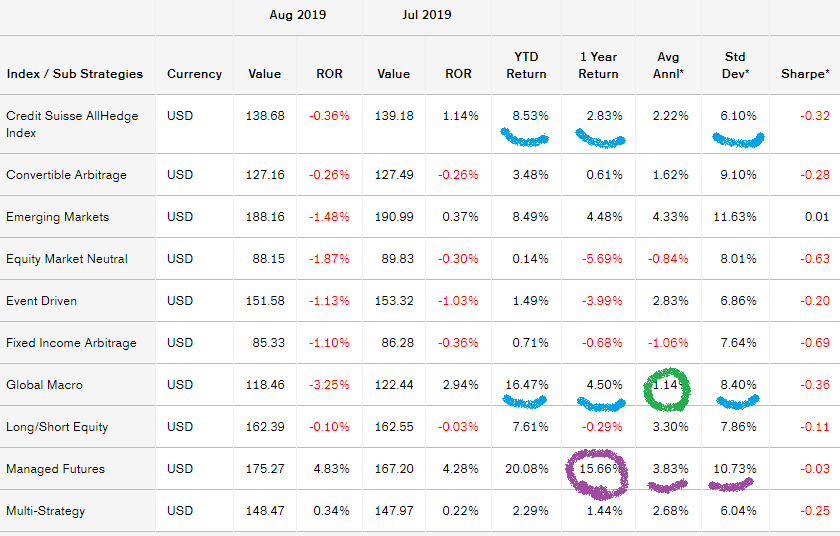
A noi piace fare parlare i numeri: proprio per questa ragione, spediremo a breve ai nostri Clienti la nostra Lettera dedicata per la fine del terzo trimestre 2019, all’interno della quale discutiamo dei nostri numeri, di quelli della concorrenza, e delle prospettive di performance da qui a fine 2019. Esamineremo anche i numeri della tabella qui sotto, che ci ricordano che cosa stanno facendo i Fondi Hedge negli ultimi tempi, dati che si prestano ad un certo numero di osservazioni del massimo interesse pratico che svilupperemo nella Lettera.

week_01_Oct_2019_002.png
Mercati oggiValter Buffo
Il bazooka ha sparato ... contro la BCE!
week_01_Oct_2019_029.png

Mervy King ha spiegato nel suo ultimo libro (che vi suggeriamo di leggere con attenzione) che il … capitale sociale di ogni Banca Centrale è sempre e soltanto la fiducia che la stessa Banca sa ispirare nel pubblico.

L’inefficacia delle proprie azioni deprime il “capitale sociale” di una Banca Centrale

La BCE, dal 2014 in poi, ha sprecato una buona parte del proprio “capitale sociale”, e con le decisioni di settembre ne ha distrutto un bel po’.

L’emorragia di “capitale sociale” continua anche nelle settimane successive. Ve lo documenta l’articolo che riportiamo qui sotto.

week_01_Oct_2019_004.png

Mettiamo a confronto questa notizia che avete appena letto ed il titolo del Corriere in basso. Noi abbiamo il massimo rispetto delle opinioni di tutti, e ci mancherebbe altro: ma non riusciamo a trovare una definizione diversa e quindi utilizzeremo il termine “patetico” a commento del tentativo del Corriere di esprimere “un supporto” delle decisioni di Draghi.

Tra l’opinione che esprime il Corriere, e l’opinione che ha espresso Lautenschlager sbattendo la porta, davvero non c’è il senso di fare un paragone.

Amici del Corriere, ma chi ve lo ha chiesto, di dirci che (a vostro parere) la mossa di Draghi era “inevitabile”? Ma chi ve lo ha detto? Ma come spieghereste una simile affermazione? Vi intendete di strumenti ed obbiettivi della politica monetaria?

Ma che bisogno c’è di sapere se il Corriere ritiene le mosse di Draghi “inevitabili? Amici del Corriere, voi fate un altro mestiere, fate i giornalisti: e quindi limitatevi a raccontare i fatti, che è il vostro mestiere, e mettete in prima pagina Lautenschlager invece di certi slogan da stadio che fanno di voi dei “supporters”, in nulla migliori delle curve dello stadio di calcio.

E per cortesia, non fate “buuuuu” a Lautenschlager.

week_01_Oct_2019_004bis.png
Mercati oggiValter Buffo
Trump 2.0 sarà ancora più sorprendente del primo

Ci siamo: Trump 2.0 è già qui fra noi.

week_01_Oct_2019_003.png

Il Trump che fino a qualche mese fa dominava le prime pagine con le sue affermazioni roboanti non lo vedrete più: siamo entrati in una nuova fase, e già prima che la camera degli Stati Uniti decidesse di avviare un procedimento di impeachment contro il Presidente.

week_01_Oct_2019_003bis.png

Ovvio che il processo di impeachment si intreccia con la campagna elettorale per le Elezioni 2020, che è già entrata nella sua fase più calda ed intensa.

week_01_Oct_2019_020.png

Il fatto sarebbe in ogni caso di grandissima rilevanza, ma in questo specifico momento lo è ancora di più per noi investitori: la vera e propria ossessione di Trump per la Borsa, ed anche il suo agitare l’indice di Borsa come se fosse un’arma dell’uomo preistorico ci dicono che le implicazioni per i mercati finanziaria di questa vicenda saranno grandissime, e si svilupperanno nel medio termine

Vi facciamo osservare che la frequenza (grafico sotto) ed anche la violenza verbale dei Tweet di Donald J. Trump è in netto aumento, ed al tempo stesso la frequenza con la quale nei Tweet si scrive di Borsa e di crescita del PIL è in netto calo. Possiamo parlare di un crollo.

week_01_Oct_2019_025ter.png
week_01_Oct_2019_025bis.png

E sta proprio qui il punto: il più grande, il più rumoroso “supporter” dei cosiddetti “bulls”, ovvero di quelli che vogliono che la Borsa di New York salga “a prescindere da tutto”, sempre e comunque, è stato per tre anni proprio il Presidente Trump. Che però, nella situazione che è venuta a crearsi, avrà altri … pesci da friggere, come dicono gli amici americani, e che potrebbe anche decidere di “mettere da parte” la sua ossessione per la Borsa, se la sua convenienza politica lo richiedesse, per privilegiare obbiettivi più visibili da tutti e più immediati.

In questo senso, una sana gestione dei vostri portafogli in titoli dovrebbe dare in questi mesi una particolare rilevanza al fattore “rischio imprevedibile”, ovvero agli “unknown unknowns”, perché anche domani, che è lunedì, il quadro potrebbe venire ribaltato da decisioni del tutto imprevedibili,e molto azzardate sia per lui (Trump) che per noi, investitori finali.

week_01_Oct_2019_025quater.png
Mercati oggiValter Buffo
Repo: sicuramente non è finita qui
week_01_Oct_2019_022.png

Come vedete qui sopra, gli interventi fatti in settimana dalla Federal Reserve hanno riportato il costo della liquidità interbancaria al livello di 12 mesi prima.

Noi fin dalla metà di settembre abbiamo commentato con frequenza giornaliera per i Clienti in The Morning Brief ciò che sta succedendo sul mercato interbancario degli Stati Uniti, e abbiamo tratto questo argomento anche sette giorni fa in questo Blog.

Continueremo a seguire il tema e a lavorarci, a favore dei nostri Clienti, perché siamo certi che il tema resterà di attualità anche dopo che i tassi di interesse sul mercato monetario sono scesi.

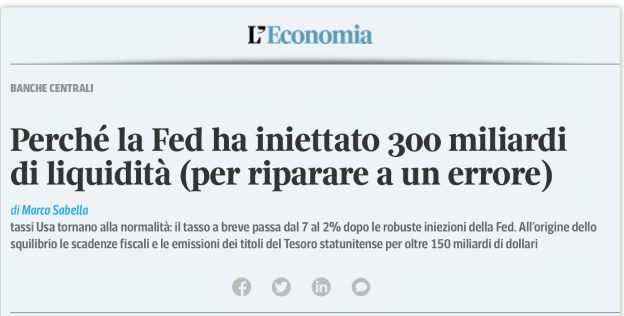
Le implicazioni di questo episodio sono state del tutto fraintese, dalla maggior parte dei commentatori (sotto, il titolo fatto pochi giorni fa dal Corriere della Sera) e hanno nulla a che vedere con le difficoltà di una singola Istituzione: si tratta di implicazioni che riguardano l’intero sistema finanziario degli Stati Uniti, e che vanno anche oltre. In particolare, la crisi della liquidità interbancaria è un tema che si intreccia con il tema della crescita del deficit pubblico negli Stati Uniti.

In questo senso, è un tema che presto interesserà anche l’Eurozona.

week_01_Oct_2019_024.png

Recce’d come detto continuerà ad analizzare gli sviluppi di questa situazione su base quotidiana in The Morning Brief. In Questo Post, però, offriamo ai lettori un utile contributo alla comprensione, nella forma di due diversi commenti abbiamo selezionato per voi e che leggete qui sotto.

Il primo commento mette in evidenza la stretta connessione tra la crisi del “repo market” e il deficit pubblico degli Stati Uniti, in modo molto efficace.

The repo market madness lives on for a ninth day.

The Federal Reserve Bank of New York announced Wednesday that it would increase the size of its next overnight system repurchase agreement operation to a $100 billion maximum, from $75 billion previously, and also raise the limit on its 14-day term repo operation to $60 billion from $30 billion. Simply put, the bank wants to flood the funding market with enough cash to soak up all the securities that dealers submit 1 and leave no doubt that the critical financial-system plumbing is in fine working order ahead of the end of the quarter.

By now, just about everyone has heard the explanations for this persistent liquidity squeeze, which has lasted long enough to refute the earlier notion that it was merely a one-day confluence of unfortunate events. To some, the main structural issue is that banking regulations are disrupting the financial system’s inner workings. Others say the Fed has simply found the lower bound for reserves necessary to control short-term rates and can move forward accordingly.

In addition to those two assessments, I’d offer another angle that’s largely flown under the radar: The chaos in repo markets was a long time coming given the widening U.S. budget deficits and the lenders that are financing that shortfall.

Deficits, while nothing new, add up over time. And while they declined each year from 2011 through 2015, both overall and as a percentage of gross domestic product, the gap has widened again under President Donald Trump. Put it all together, and the amount of U.S. Treasury securities outstanding has roughly tripled since the financial crisis:

This growth was mostly under control in the years after the financial crisis because the Fed had been buying up large chunks of the Treasury market through its quantitative easing programs. But it was gradually reducing the size of its balance sheet from late 2017 until July, precisely at the same time that the Treasury Department was increasing the size of its monthly auctions to finance the bigger budget shortfalls. All told, the Fed now holds about $2.1 trillion of Treasuries, down from almost $2.5 trillion previously:

The Fed remains the largest single holder of Treasuries. But combined, Japan ($1.13 trillion) and China ($1.11 trillion) own more. And yet, even with those huge stakes, the two countries haven’t been keeping up with the growth in the world’s biggest bond market. In fact, on a percentage basis, Japan’s U.S. Treasury holdings are close to the lowest in at least 20 years, while China’s are the lowest since mid-2006:

So if it’s not the Fed, it’s not China and it’s not Japan, where are all these Treasuries going?

U.S. commercial banks are certainly a place to start looking. They’ve done their part since the financial crisis, but especially lately, with holdings of Treasuries and agency securities climbing to almost $3 trillion as of Sept. 11:

Primary dealers, a select subset of banks that are obligated to bid at Treasury auctions, were saddled earlier this year with the most Treasuries ever — an outright position of almost $300 billion. Even now, their holdings are more than double what they were a year ago as they’re required to take down larger pieces of the U.S. government’s debt sales. 

There are simply too many bonds (or, in the language of the repo market, “collateral”) sloshing around in the financial system and not enough cash on the other side of the trade. America’s budget deficits are being financed domestically and leading to a relentless drain on reserves:

All this goes to show that fiscal stimulus — which I’ve argued that bond markets are begging for — doesn’t quite work by itself. Without the Fed helping to finance deficits by accumulating Treasuries, the financial system seems doomed to seize up. Someone has to take what the Treasury is offering, and given that the 24 primary dealers are by definition the buyers of last resort, it falls on these critical institutions to pick up the slack.

JPMorgan Chase & Co. Chief Executive Officer Jamie Dimon said that the banks “have a tremendous amount of liquidity but also have a tremendous amount of restraints on how they use that liquidity.” As former Minneapolis Fed President Narayana Kocherlakota wrote for Bloomberg Opinion, requirements like holding a certain amount of liquid assets and maintaining a minimum leverage ratio, which sound perfectly reasonable in theory, can distort lending and borrowing in unforeseen ways. 

Boiling down the New York Fed’s repo operations to their most basic level, the central bank is effectively coming into the market every morning, taking excess securities from dealers and giving them cash instead. This is a quick fix to offset the liquidity imbalance, but it’s not a permanent solution. Fed Chair Jerome Powell said last week that it’s “certainly possible that we’ll need to resume the organic growth of the balance sheet earlier than we thought,” and indeed it seems likelier by the day that policy makers will announce such a move by their next interest-rate decision on Oct. 30.

Wall Street strategists have gone to great lengths to say that such organic growth is not QE. I’m fine with that distinction. But ultimately it comes down to the fact that the Fed seems to have little choice but increase the size of its balance sheet in the face of trillion-dollar budget deficits, whether in good economic times or bad ones. U.S. banks can’t afford to have the Fed out of the market entirely.

The financial system, as it is today, is choking on Treasuries. And only the Fed can perform the Heimlich. 

Il secondo estratto, scritto da un ex Presidente della Federal Reserve a Minneapolis, mette invece in evidenza il ruolo della regolamentazione dell’operatività delle banche. Anche questo è un tema che diventerà a breve importante anche in Eurozona. Una situazione che il bazooka di Draghi ha sicuramente peggiorato.

The recent unrest in money markets, which briefly caused short-term interest rates to get out of the Federal Reserve’s control, won’t undermine the central bank’s ability to achieve its longer-term economic goals. That said, it does signal that something’s very wrong with the financial system.

To understand what’s going on, let’s return to a simple model. Suppose there’s only one big bank. It has a choice of what to do with most of its assets: It can keep them on deposit at the Fed, earning the interest rate that the central bank pays on excess reserves; or it can take more risk and earn more return by investing in securities or loans. In this world, all the assets earn the same “risk-adjusted” return, which the Fed effectively determines by setting the interest rates on excess reserves.

Now let’s take a step closer to reality. There are two groups of banks, “tight” ones that hold few excess reserves, and “flush” ones that hold a lot. Flush banks can lend reserves to tight banks in the federal funds market, a focal point of the Fed’s monetary policy. As long as this lending happens freely, all assets will still have the same risk-adjusted return, and the one-bank model will still be a good indicator of how the many-bank world will respond to the Fed’s policies and to various shocks.

In recent days, though, that crucial free-lending condition hasn’t held. On the contrary, a convergence of events -- a deadline on corporate-tax payments and the settlement of a big Treasury auction -- created a sudden and severe shortage of reserves. As a result, interest rates diverged sharply in markets where they should be the same. In the repo market, where participants borrow and lend against the collateral of Treasuries and other securities, they shot up above 5%. And in the federal funds market, they breached the upper bound of the Fed’s 2%-to-2.25% target range.

The deeper issue is that, since the 2008 crisis, regulatory reforms -- such as requirements that banks hold a certain amount of liquid assets, and maintain a minimum leverage ratio (equity capital as a percent of total assets) -- have constrained the ability of flush banks to lend, and of tight banks to borrow. Such constraints interact in complicated ways with financial market conditions. For example, European banks must report their leverage ratios as of the last day of each quarter, so they reduce their repo activity to make those ratios look better. As a result, even when excess reserves seem abundant, funding costs for banks may exceed the interest rate that the Fed controls.

This isn’t necessarily a problem for the Fed’s monetary policy, because the central bank can inject cash into various markets to bring interest rates into line. That’s precisely what the Fed has been doing in the repo market. And it can make the fix more permanent by creating what’s called a standing repo facility, which means the Fed will inject sufficient funds every day, as needed, to ensure that the federal funds rate stays in what it deems the appropriate range.

What’s harder to understand is how money markets will respond to future shocks. As the experience of the past couple weeks has shown, the simple single-bank model no longer works. Reserves are siloed in the flush banks, so the financial system is acting more like it has $1.3 billion in excess reserves than the actual $1.3 trillion. The design of regulation has disrupted some of the system’s most basic functions. The people who oversee it all should be far from sanguine about what the repercussions might be.


Mercati oggiValter Buffo