Posts in Mercati oggi
Tesla Fondo Hedge
 

Oggi Recce’d pubblica sette nuovi Post. Il lancio della nuova impostazione di questo Blog (a temi, e con un nuovo layout) è stato rinviato al secondo trimestre 2021 in ragione della rapidissima evoluzione della situazione dei mercati finanziari nel mese di gennaio. Per noi di Recce’d, sono sempre i mercati a dettare i tempi. In aggiunta, oggi le occasioni per gli investitori sono le più grandi di una generazione. e noi di certo non vogliamo perderle di vista.


Tra le nostre (a volte grandissime) fatiche quotidiane, troviamo anche momenti di divertimento. In alcune, rare, occasioni, c’è proprio da ridere. Ne abbiamo scritto anche in un altro Post di oggi.

Questa settimana, il divertimento ce lo ha garantito il Bitcoin: ci diverte vedere quanta gente c’è in giro che paga 50.000 dollari USA per avere un Bitcoin.

Nella nostra lunga esperienza, non avevamo ancora visto nulla di paragonabile: individui razioniali che pagano 50000 dollari (una bella somma) per disporre di una unità di una cosa che non hanno neppure capito, esattamente, che cosa è e che cosa può fare.

E pagano soltanto perché “lo fanno anche gli altri”.

Tornano alla amente episodi del passato, da Tiscali ad Enron a (più di recente, nel 2020) Wirecard.

Wirecard, uno dei titoli dell’austero indice tedesco DAX 40. (Si sa, che i tedeschi fanno le cose bene).

Wiurecard era scambiata a 105 euro il 10 settembre 2018: ma Wirecard non valeva nulla, proprio esattamente zero, erano soltanto numeri su un pezzo di carta. Wirecard non è mai esistita, se non per l’indice DAX 40. Nella vita reale, Wirecard non esisteva: esisteva unicamente sullo schermo dello smartphone su cui passano (troppe) ore i “guerrieri da tastiera” di Robinhood, e-Toro, e altre piattaforme online e dintorni.

La vita reale vince sempre: nel 100% dei casi. Arriva sempre il “momento Bitcoin” del quale noi scrivemmo già nel 2018, tre anni fa.

Per questa ragione, anche noi di Recce’d vinciamo sempre, come dicono i nostri risultati.

Per chi avesse la memoria cortissima, qui vi ricordiamo che il Bitcoin ad inizio settimana (8 febbraio 2021) era il tema unico di ogni commento sui mercato finanziari: “Musk ha acquistato Bitcoin”. Entusiasmo alle stelle e grafici che salgono, e salgono, e salgono in alto verso la luna.

Ne scriveva anche il New York Times, nel modo che noi adesso vi facciamo leggere.

By Ephrat Livni and Jason Karaian

  • Feb. 9, 2021

Cryptocurrency prices are soaring after Tesla said that it had purchased $1.5 billion worth of Bitcoin with company funds. The electric carmaker wasn’t the first company to shift corporate cash into cryptocurrencies, but it was one of the biggest. It could make finance chiefs elsewhere consider whether they should follow suit, the DealBook newsletter reports.

Tesla’s move is an “exclamation point” for institutional acceptance of Bitcoin, said Matthew Graham, the chief executive of the Beijing-based blockchain investment firm Sino Global Capital. “It’s clear that Bitcoin is ready for Main Street.”

Elon Musk, Tesla’s chief executive, is known for bucking convention, so his company’s purchase is not as surprising as it would be at, say, Ford or General Motors.

Tesla had more than $19 billion in cash at the end of 2020, a big enough cushion to make the Bitcoin purchase a relatively small share of its resources. But much of that cash was raised in recent stock sales, and the company only recently reported its second year of positive free cash flow. Because of Bitcoin’s unique characteristics, Tesla will have to record declines in the value of its Bitcoin against its earnings, but cannot book gains.

The software company MicroStrategy now holds Bitcoin worth about a third of its market capitalization, according to a site that tracks corporate holdings. MicroStrategy’s chief, Michael Saylor, held a conference last week that promoted Bitcoin for corporations.

Naresh Aggarwal of the Association of Corporate Treasurers in London is skeptical that many companies will follow Tesla and MicroStrategy and buy Bitcoin at scale. “Gold is probably a more traditional form of alternative investment,” he said, yet few firms outside the financial sector hold it. “If they’re not tempted by gold, then I can’t see them being tempted by Bitcoin,” he added, likening it to “putting money on a horse race.”

Keeping money in liquid, safe investments is particularly important during the pandemic, and many corporate finance chiefs remember being burned in 2008 by higher-yielding alternatives.

Ephrat Livni reports from Washington on the intersection of business and policy for DealBook. Previously, she was a senior reporter at Quartz, covering law and politics, and has practiced law in the public and private sectors.  

Jason Karaian is the editor of DealBook, based in London. He joined The Times in 2020 from Quartz, where he was senior Europe correspondent and later global finance and economics editor.

Poi però, che cosa è successo? Martedì 9 febbraio? Meno entusiasmo. Mercoledì 10 febbraio? Meno ancora. Giovedì 11 febbraio? Beh, forse … magari … le cose si possono vedere anche da una diversa angolazione. Venerdì? pronti, via! Meno 1%, e poi durante la giornata … arriva la Cavalleria Confederata.

Un gestore di portafoglio professionale a voi serve per questo: per non farvi sentire eccitati ogni lunedì, e depressi dopo qualche giorno.

Siamo qui per quello. Ma siamo qui anche per affrontare, in modo professionale, i temi che vengono strillati dalla stampa quotidiana, dalle TV come CNBC, da PLUS del Sole 24 Ore e da Corriere Economia.

Siamo qui per aiutarvi a distinguere, tra cento e cento fake news le poche cose (pochissime) che a voi servono per fare le scelte giuste quando vi chiedete in merito a “che fine faranno i miei soldi”?

E per questo, anche questa settimana come in alcune settimane precedenti, ci occuperemo di Bitcoin. Del quale, ripetiamo anche oggi, abbiamo già detto chiaramente (anche noi insieme ad altri) che NON è un investimento.

Ci occupiamo del Bitcoin come strumento per la gestione della tesoreria di un’azienda: sarà utile infatti ricordare che Elon Musk ha acquistato Bitcoin con i soldi che gli erano stati affidati dagli investitori che credevano di avere investito in Tesla, e nel futuro dell’auto elettrica.

La scelta di Elon Musk, di impiegare in Bitcoin una parte della disponibilità di cassa della sua Azienda, è una scelta che guarda al futuro? E’ una scelta che verrà replicata anche dalle altre Società quotate che fanno parte dell’indice S&P 500? E’ una scelta che farà il bene della Società Tesla, le darà un vantaggio rispetto ad altri costruttori di automobili?

E’ una domanda rilevante, per noi investitori: prima di investire, per noi è decisivo avere capito quali sono le strategie delle Società quotate, poter effettuare una previsione sulle loro capacità di produrre utili oppure perdite. Eventualmente, anche acquistando Bitcoin.

Leggiamo che cosa ne ha scritto il Financial Times.


Richard Waters in San Francisco and Eric Platt in New York FEBRUARY 9 2021

Cryptocurrencies play almost no role in the staid world of corporate treasury, where protecting a company’s financial liquidity and cash reserves are key. Their massive volatility has ruled them out.

That did not stop Elon Musk, chief executive of Tesla, from putting $1.5bn of his company’s spare cash into bitcoin last month. The company’s shares edged up more than 1 per cent on news of the bet on Monday, while the price of bitcoin staged a strong rally. But to experts in corporate treasury management, the move makes almost no sense.

“Corporations invest their cash in very high quality, short-term fixed income securities, and are willing to accept a relatively low rate of return,” said Jerry Klein, a managing director at Treasury Partners, an investment management firm in New York. “I don’t think there is a case to be made for investing corporate cash in a risky asset like bitcoin, where they could experience significant declines.”

Apart from a handful of listed vehicles that try to give stock market investors a way to speculate on cryptocurrency, only a very few companies have put their spare money into bitcoin. One of the first was the ecommerce site Overstock — though it only had $2m in bitcoin when it last disclosed the figure. The US software company MicroStrategy broke the mould in the middle of last year, making a well-timed move to start shovelling all the spare cash not needed for its operations into bitcoin. A week ago the company said it had spent a total of $1.145bn on bitcoin, and was sitting on a hoard of digital currency currently worth $3.2bn. Michael Saylor, its chief executive, described the investment as a “second strategy” for his company alongside its previous business of selling software, rather than as a treasury decision. The company has also said the investment was designed to raise brand awareness among corporate buyers of information technology and boost its software sales.

For Tesla, with a stock market value of more than $800bn, speculating on bitcoin seems unlikely to rise to the level of a second strategy. But accepting payment for its electric cars in the form of bitcoin could burnish its brand in the cryptocurrency universe. Musk’s vocal support for bitcoin and other digital currencies has already brought him a strong following in the crypto world. Tesla also said it would soon start accepting payment in bitcoin in a limited way, potentially giving it more ways to tap Musk’s crypto fan base. While there may be longer term upside to Musk’s enthusiasm for bitcoin, it brings more immediate risks. One is to the company’s reported profitability. Like MicroStrategy, Tesla said it would treat its crypto holdings as an intangible asset with long-term value, like goodwill. As such, it will have to revalue its bitcoin holding regularly and take any decline in value as a cost against profits. Any increase in value, on the other hand, can’t be fed back into profits, but can only be realised when Tesla sells the holding, in line with US accounting standards.

Tesla’s quarterly profit swings are already heavily influenced by the amounts it makes from selling regulatory credits to other companies, distracting from the performance of its underlying car business. A collapse in bitcoin prices could add to the extraneous earnings moves — though the downside would be limited to $1.5bn, unless the company pumps more of its money into crypto markets. In its filing with securities regulators, Tesla said its board had authorised purchases of gold and other digital assets. Recommended LexTesla Inc Tesla/bitcoin: asset exchange Premium

“It’s unusual, it’s risky and it won’t necessarily provide that hedge that they are looking for,” said Campbell Harvey, a professor at Duke University in Durham, North Carolina. “That to me is OK if you are a hedge fund and your clients know that this is exactly what you do, you make speculative bets and sometimes they work and sometimes they do not . . . Tesla is not a hedge fund.” The largest blue-chip companies have become full-time asset managers over the past decade as their cash holdings have swelled, venturing beyond time deposits and money market funds as places to park their cash. However, their purchases have often focused on the more sedate world of Treasuries, corporate bonds and asset-backed securities. Apple, which held almost $200bn in cash and securities in December, invested 48 per cent in corporate debt. Bitcoin prices have swung wildly over the past 12 months.

During the worst of the sell-off in March last year, prices fell as much as 63 per cent from highs hit just weeks earlier. The cryptocurrency has since surged in value and is up tenfold from last year’s lows. On Wednesday it was quoted as high as $47,492. David Yermack, a professor at New York University, said cryptocurrencies were still so new that accounting and tax authorities did not yet have rules on how companies should recognise the investments. He added that Tesla’s investment could prompt guidance on those fronts. “It has got to be at the top of everyone’s minds,” he said. “Many companies have avoided doing this for years because the auditors don’t know how to account for it.”

A large bitcoin investment could also put a dent in Musk’s self-declared intention of building a new style of corporate conglomerate dedicated to tackling climate change. The intensive data-crunching that goes into bitcoin mining — the process by which people involved in the network validate transactions — consumes plenty of energy. Some crypto experts argue that it would be too simplistic for institutions committed to environmental, social and governance issues, or ESG investing, to hold this against the company. Ethan Buchman, a co-founder of the crypto project Cosmos, said Tesla had already faced potentially bigger ethical concerns, given the mining practices involved in extracting the materials used in car batteries. He also claimed that cryptocurrencies such as bitcoin, if successful, could lead to more moderate economic growth over the long-term, with big advantages for sustainability

Può essere utile al lettore, a questo punto, che Recce’d chiarisca quale è la nostra posizione sul Bitcoin: il Bitcoin non è un investimento (come è stato scritto anche da altri), ma questo non significa che non abbia un futuro.

Potrà essere, in futuro, un utile strumento di pagamento, a fianco di altri strumenti di pagamento. Una unità di misura, come molte altre, che ha un valore come metro. E che per tanto ha ed avrà un valore che è pari al suo costo di produzione (grafico qui sotto), che oggi dovrebbe essere di dieci centesimi, venti centesimi, forse trenta centesimi sopra il costo dell’energia elettrica? Non lo sappiamo, stiamo solo facendo delle ipotesi. Di certo c’è solo il fatto che nel tempo, il costo di produzione, inevitabilmente tenderà a zero (al netto del costo dell’energia elettrica).

2021_Jan_326.png

Molto più critico, e negativo, di Recce’d sul Bitcoin è da sempre Nouriel Roubini, che anche questa settimana ha rinnovato la sua posizione critica attraverso il Financial Times, con un articolo che sotto vi riportiamo., in chiusura del Post.

La posizione di Roubini è molto rigida, ma alcune delle cose scritte qui sotto risultano, semplicemente, impossibili da negare.

The writer is a professor of economics at the Stern School of Business, NYU, and host of NourielToday.com

Claims that bitcoin is the new “digital gold” are feeding a new bubble in it and other cryptocurrencies. The last one in 2017-18 saw bitcoin go from $1,000 to $20,000 and then fall back to $3,000 by the end of 2018. Since the fundamental value of bitcoin is zero and would be negative if a proper carbon tax was applied to its massive polluting energy-hogging production, I predict that the current bubble will eventually end in another bust. Referring to bitcoin or other crypto as “currencies” is a misnomer. They are not a unit of account: virtually nothing is priced in them. They are not a scalable means of payment: with bitcoin you can do five transactions per second while the Visa network does 24,000.

Bitcoins are barely used by legitimate companies as payment for goods and services, although Tesla said it planned to start accepting them. Crypto is not a stable store of value: even some crypto conferences refuse to accept them as payment for attendance fees. The volatile price moves can wipe out any profit margin of a merchant within a matter of hours. They aren’t even denominated in a consistent way that allows users to compare relative prices of goods. This reliance on different tokens is effectively a return to barter. The Flintstones had a more sophisticated monetary system based on a benchmark: the cartoon cavemen used shells. Even referring to crypto as assets is a misnomer.

Most assets have a stream of income (stocks, bonds, commercial real estate) or a use (housing) or some other utility (fiat currency provides liquidity and can be used for payments). Gold has no income but it has industrial uses. It also has utility as a store of value and a hedge against inflation, currency debasement and tail risks. Crypto has no income, no utility, no payment or other services. It isn’t even anonymous because the underlying blockchain technology makes it easy to trace payments. It is only a play on a speculative asset bubble, worse than tulip-mania as flowers had and still have utility. Its store of value against tail risks is unproven. And worse: some cryptos, dubbed “shitcoins”, are financial scams in the first place or debased daily by their sponsor.

Bitcoin’s price is highly volatile, and claims of misbehaviour, including pump and dump, spoofing, wash trading and front-running by exchanges, are widespread. Stablecoins claim to be superior. But New York authorities are already investigating whether one, tether, is being used to manipulate the price of bitcoin. Vitalik Buterin, a co-founder of the cryptocurrency ethereum, argues that no crypto can be at the same time scalable, safe and decentralised. Traditional financial systems are scalable and safe: if your credit card or bank account is hacked or stolen, you are made whole.

But they are centralised because participants and assets are verified by trusted institutions. Right now, crypto is neither scalable nor safe. If your private key is stolen or lost, the assets are gone for good. It isn’t even decentralised. Oligopolistic miners control most bitcoin mining. Many are out of reach of western law enforcement in places such as China, Russia and Belarus, creating a national security nightmare. About 99 per cent of bitcoin trading occurs on centralised exchanges, which may be hackable. Furthermore, the original programmers retain outsized control over their creations. In some cases they act as police, prosecutors and judges, and reverse transactions that are supposed to be immutable.

Nor is crypto equitable: a small number of “whales” control much of bitcoin’s value. This undermines claims that crypto will decentralise finance, provide banking services to the unbanked, or make the poor rich. Blockchain claims to enable cheap money transfers to refugees, but crypto is much more likely to provide cover for scam artists, conmen, tax evaders, criminals, terrorists and human traffickers. Our world is beset by financial crises, geopolitical risks and very loose monetary policy. There is growing demand for safe haven assets that are a hedge against inflation, currency depreciation and debasement and tail risks. Gold, inflation-indexed bonds, commodities, real estate and even equities are all reasonable candidates. Risky, volatile bitcoin doesn’t belong in the portfolios of serious institutional investors. Many of its retail backers are suckers being manipulated by an army of self-serving insiders and snake oil salesmen. Tesla’s Elon Musk and MicroStrategy’s Michael Saylor may be betting the house on bitcoin. That doesn’t mean you should.

Mercati oggiValter Buffo
Ya gotta believe
 
2021_Jan_268.png

Ciò che qualifica il lavoro di un gestore del portafoglio è la capacità di prospettare ai propri Clienti, nel modo più corretto possibile, gli scenari che il suo portafoglio di investimenti dovrà affrontare.

Questo è il metro sul quale noi, in Recce’d, ci misuriamo ogni mattina. Quello che accade nella realtà del Mondo (produzione, lavoro, inflazione, ed anche politica, relazioni internazionali, guerre) corrisponde a ciò che noi avevamo anticipato ai nostri Clienti?

Facciamo, insieme ai lettori del Blog, un test in tempo reale. Attraverso il nostro sito, noi di Recce’d vi avevamo detto:

  1. che il 2021 non avrebbe avuto nulla in comune con il 2020, ed è già così oggi: lo avete visto tutti

  2. che il 2021 sarebbe risultato un anno molto diverso da quello raccontato a fine 2020 dalle banche globali di investimento e dalle Reti di promotori: e nel solo mese di gennaio avete ricevuto due-tre conferme

  3. che il 2021 avrebbe portato una serie di eventi e fatti non immaginabili solo pochi mesi prima: dal Campidoglio a Gamestop, le conferme non sono mancate

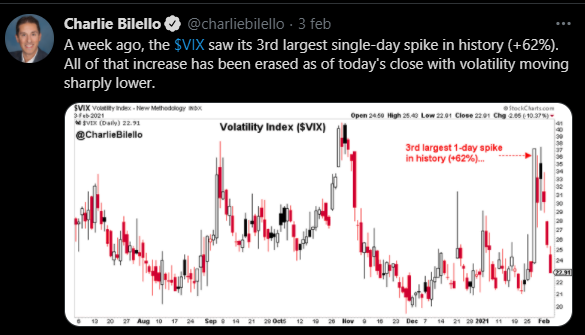
  4. che la fragilità dei mercati finanziari deriva soprattutto … dai mercati finanziari medesimi, e solo otto giorni fa era questo il tema che dominava le nostre e le vostre giornate

  5. che il COVID-19 ed “il vaccino” non sono notizie rilevanti per i mercati finanziari, ed infatti in questa prima settimana di febbraio quando si parla di mercati ed investimenti del vaccino non ti parla più nessuno

Per i vostri investimenti, a questo punto, potrebbe risultare utile andare a cercare quelle cose che Recce’d ha anticipato nel 2021 e che devono ancora verificarsi. Quelle che non avete ancora letto in prima pagina sul Sole 24 Ore oppure degli altri quotidiani. Perché potrebbe essere quella, la prossima cosa che i vostri investimento devono affrontare.

Ragione per la quale, potrebbe essere un buon investimento di tempo quello di ritornare indietro, e rileggere nel Blog tutte le nostre analisi degli ultimi 12 mesi.

Come sempre, Recce’d non si limita a proporre le proprie analisi e le proprie tesi, quelle che fanno da supporto fondamentale alla propria strategia di investimento. Senza timore e senza giri di parole, Recce’d vi mette a disposizione anche le idee e le indicazioni degli altri.

In questo Post, ad esempio, facciamo il punto al 6 febbraio 2021 utilizzando le parole degli altri.

Tornando a ciò che si diceva prima, queste sono le cose che Recce’d ha detto che NON si verificheranno. Lo scriviamo qui ed oggi, poi torneremo a leggerlo tra qualche settimana e mese.

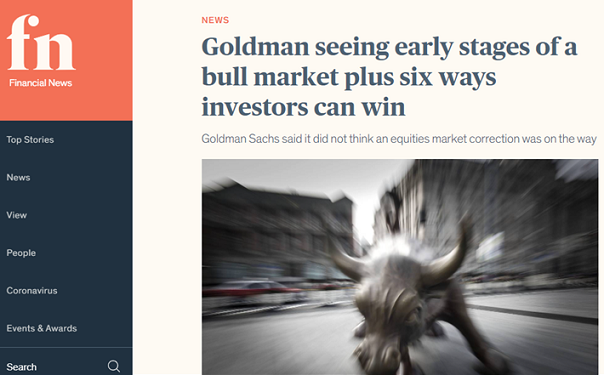
Il titolo che leggete nell’immagine ci dice che: “la tesi della reflazione si sta rafforzando, ed è per questo che le azioni (americane) mettono a segno nuovi record.

E’ vero? Non è vero? E’ un riflesso delle isterie assortite di questo mercato, del mercato di Gamestop?

Amici lettori, questo lo dovete decidere da soli, e nel vostro migliore interesse: noi, per la nostra parte, abbiamo già preso le decisioni migliori.

2021_Jan_269.png

Nel brevissimo testo che segue, scritto oggi sabato 6 febbraio, si riassumono tutti i punti forti della “tesi reflazione”. C’è tutto in poche righe: il piano di Biden, lo stimolo alla crescita dell’economia, le prospettive di un ulteriore rialzo della Borsa, il rialzo dei rendimenti delle obbligazioni. Leggete e poi chiedetevi: mi convince?

“We believe that we are still in the early stages of a new bull market, transitioning from the 'hope' phase (which typically starts during a recession, led by rising valuations) to a longer 'growth' phase as strong profit growth emerges,” chief global equity strategist Peter Oppenheimer wrote in a 4 February client note.

Yet the fundamentally more important financial development was, as usual, in the bond market. The yield curve—the graph of Treasuries from short- to long-term maturities—is the most sharply upwardly sloped in years. That’s a result of longer-term yields climbing, with the benchmark 10-year note ending the week at 1.17%, near the high end of its recent trading range, and the 30-year bond at 1.98%, nearing 2% for the first time in about a year.

This is a classic indication that the bond market is anticipating stronger economic growth and higher inflation. Those expectations got a boost Friday after both houses of Congress voted to begin the process of approving President Joe Biden’s $1.9 trillion fiscal relief plan without votes from congressional Republicans.

Friday’s employment report was disappointing, however, with a smaller-than-expected 49,000 increase in nonfarm payrolls in January, and December’s job loss revised to 227,000 from the 140,000 originally reported. The unemployment rate fell to 6.3% last month from 6.7%, but mainly because of lower labor-force participation. The uninspiring data could bolster the argument for fiscal action.

The prospect of stimulus has some economists boosting growth estimates, with Nancy Lazar of Cornerstone Macro now looking for the economy to be expanding at a 7% pace by the fourth quarter, up from her previous estimate of 6%. That’s what both the bond and stock markets seem to be pricing in, which means that any shortfall in a recovery would be a surprise. So far, 2021 has been full of them.

Il secondo titolo che vi presentiamo, nell’immagine sotto, si pone una domanda: il rialzo dei rendimenti delle obbligazioni, nel 2021, ci segnala che l’inflazione sta arrivando?

2021_Jan_272.png

Noi aggiungiamo una seconda domanda: se l’inflazione sta arrivando, e se questo aumento dell’inflazione farà aumentare anche i rendimenti obbligazionari, lo scenario di “reflazione” descritto dal brano che avete letto più in alto reggerebbe?

Secondo Goldman Sachs, la risposta è positiva.

2021_Jan_270.png

Alla fine, ciò che si chiede all’investitore finale, è di credere. E’ di crederci. “Ya gotta believe” come diceva il famoso allenatore dei New York Mets (Tug Mc Graw) prima di ogni partita.

Qualcosa del genere anima anche i piccoli investitori negli ultimi mesi: “se ci crediamo tutti insieme, allora il titolo salirà”. Nel caso di Gamestop ha funzionato.

Come detto, noi in questo Post siamo qui a ricostruire un’atmosfera e a riportare le idee degli altri, le idee che ad oggi risultano prevalenti, guardando ai prezzi sui mercati finanziari.

Siamo però qui anche per ricordare a tutti i lettori che il gioco dei mercati finanziari in realtà NON è un gioco, ma è strettamente intrecciato con la realtà.

Ed anche che NON è semplice: è molto complesso.

Ve ne potete rendere conto facilmente, anche se leggete (ma con attenzione ed in modo critico) le parole di chi NON la vede come la vede Recce’d.

Un esempio lo trovate qui di seguito, in un articolo del quale, dopo e più in basso, noi mettiamo in evidenza quello che a nostro giudizio è il passaggio più utile per chi deve fare scelte per il futuro dei propri soldi.

Ya gotta believe, reliever Tug McGraw said of his 1973 New York Mets before they went on to win an unlikely National League pennant. Investors seemed to have embraced the same sentiment for this stock market, which continues to put every setback behind it as it marches to record highs.

The Dow Jones Industrial Average advanced 1,165.62 points, or 3.89%, to 31,148.24 this past week, while the S&P 500 rose 4.6%, to 3886.83, and the Nasdaq Composite gained 6%, to 13,856.30. The Russell 2000 left them all behind with a 7.7% jump, to 2233.33.

2021_Jan_273.png

It was a striking turnaround following the previous week’s 3%-plus declines—and a fast one. At the end of Friday a week ago, we were concerned that the derisking—market jargon for selling—that hedge funds had to do following the GameStop (ticker: GME) short squeeze would last awhile. Instead, it appears that the pros had derisked so much during the last week of January—Fundstrat’s Tom Lee called it the “largest [hedge-fund] degrossing in a decade, second only to March 2020”—that they had to reload this past week.

They certainly had reason to. Let’s start with the economic data. While January’s payroll report was a disappointment—the U.S. added just 49,000 jobs, and December’s losses were revised even lower—everything else came up roses. The Institute for Supply Management’s services survey not only topped expectations, but the new-order and hiring components pointed to further growth ahead, and durable-goods orders topped expectations as well. The economy should also get a lift from more stimulus payments, whether through a bipartisan agreement or the Democrats passing a $1.9 trillion relief package on their own.

But the real driving force has been improving Covid-19 news. The weekly number of new cases has dropped 30% from two weeks ago. New vaccines will be on the scene soon, with Johnson & Johnson (JNJ) filing for emergency-use authorization and Novavax (NVAX) heading in that direction. At this pace, reopening should happen on schedule, letting people who work at restaurants, hotels, and elsewhere get back to work.

“The market is projecting that we see the economy pulling out of the worst of the pandemic in the second half of the year,” says Quincy Krosby, chief market strategist at Prudential Financial.

Is it ever. The Energy Select Sector SPDR exchange-traded fund (XLE) gained 8.2% this past week as oil prices climbed 8.9% to $$56.85 a barrel, the highest since January 2020. The Financial Select Sector SPDR ETF (XLF) got a boost as the 10-year Treasury yield climbed to its highest level since March. Both are signs of coming growth. On the flip side, Clorox (CLX), one of Covid’s biggest beneficiaries, tumbled 8% despite reporting better-than-expected earnings and offering above-consensus guidance. No one, it seems, wants to own a stock so closely connected to the lockdown narrative.

Wall Street is starting to believe in the reopening, too. Macquarie’s trading desk now expects the U.S. economy to grow by 7.1% in 2021, including inflation, up from its previous 4.7% estimate. It would be the strongest growth since 1983. Analysts, who have been only too happy to leave forecasts unchanged despite earnings beats, have started to change their tune, increasing their S&P 500 earnings estimates for 2021 by 2.6% this earnings season, according to Barclays strategist Maneesh Deshpande. “Analysts might be playing catch-up with their revisions as companies update their 2021 outlooks,” he explains.

Yet investors might want to listen to the bond market. The yield curve, as the difference between short- and long-term bonds is known, has been steepening rapidly, rising above one percentage point last week in the two-year/10-year curve. In the short term, that’s simply a reflection of stronger growth expectations and more inflation, and something the Federal Reserve governors are almost certainly happy to see.

But everything has its limits, and as the spread between the two bond yields nears 1.3 percentage point, it could become a problem for the stock market, explains Sevens Report’s Tom Essaye. “Historically, [a steepening yield curve is a] good sign for both the economy and stock markets in the coming months and quarters,” he writes. “But it is also an early warning sign that the clock is ticking on how long the Fed will remain on hold, or easy, before beginning to hike rates and tighten financial conditions to combat the threat of runaway inflation.”

The Fed, of course, has done its best to convince the market that it won’t start raising interest rates until 2023, no matter what markets do. How much more stocks can gain could depend on whom investors believe.

Nell’articolo che avete appena letto, trovate un aggiornatissima descrizione della “narrativa della reflazione”. E dovete crederci.

Oppure NON crederci: siete liberi di farlo, e l’alternativa è a vostra disposizione, qui in Recce’d.

Ciò che dovrebbe aiutarvi, a decidere se crederci oppure non crederci, è il passaggio che Recce’d ha evidenziato nell’articolo, insieme con il testo che accompagna il grafico più in alto, ed anche i due grafici che qui sotto fanno da chiusura al nostro Post.

E poi chiedetevi: “ma io ci credo, a questa storia?”.

I dati di questo Post vi aiuteranno. Ed anche utilizzare la vostra stessa memoria, vi aiuterà: la memoria di ciò che successe, alle economie ed anche ai vostri portafogli, sia nel 2019, sia nel 2018, sia nel 2017, sia nel 2016, sia nel 2015, e poi … continuate voi.

2021_Jan_279.png
2021_Jan_277.png
Mercati oggiValter Buffo
C'è una sola domanda, che conta oggi
 

Da almeno sei mesi, la strategia di Recce’d ruota (come abbiamo ampiamente e ripetutamente illustrato ai nostri Clienti, da ultimo nella Lettera al Cliente di oggi 6 febbraio 2021) intorno ad un’unica domanda: la nostra scelta si spiega con il fatto che soltanto la ripsota a questa domanda ci dirà, e vi dirà, se il vostro portafoglio chiuderà il 2021 con un ampio risultato positivo, oppure con un pesante risultato di perdite.

Anche i lettori del Blog, pur non essendo Clienti, già sanno qual’è questa domanda, perché ne abbiamo già scritto anche in sede pubblica.

La in questione domanda riguarda gli interventi a sostegno dell’economia (di spesa pubblica e di tipo monetario, come il famoso QE) varati nel 2020 per reagire agli effetti dell’epidemia (ed insieme affrontate anche ad altri quattro o cinque problemi, che erano già emersi nel 2019, e nel 2018, e nel 2017).

La domanda che Recce’d vi sottopone è centrata sulla efficacia, di questi strumenti: è vero che aumentando di 3 mila miliardi l’attivo della Banca Centrale, e portando il debito pubblico al 130% del PIL, si ottiene il rilancio dell’economia, la ripresa delle attività produttive, il rilancio della domanda?

E’ vero che l’economia oggi reagisce così, come Keynes aveva teorizzato ormai ottanta anni fa?

E’ vero, che l’economia funziona così? Facciamo bene, a crederci? Oppure in tanti hanno fatto una serie di gravi sbagli, che poi tutti pagheremo?

In settimana, proprio di questo ha scritto in un Articolo per il Washington Post, Larry J. Summers sul Washington Post. Perché vi segnaliamo questo articolo? Almeno per tre diverse ragioni.

Summers è un professore di Harvard ed economista di fama, conosce quindi perfettamente Keynes ma pure tutta la Teoria economica degli ottanta anni seguenti, che sarebbe sbagliato ignorare del tutto. Inoltre Summers conosce anche la pratica della politica economica: è stato Sottosegretario all’Economia e anche a capo del Consiglio Nazionale dell’Economia. Ed infine: perché Summers è Democratico, ed è quindi della medesima parte politica del Presidente oggi in carica.

Se queste ragioni di interesse a voi non sembrano sufficienti, e se siete vittime dell’ansia e della confusione che vi è stata prodotta dal vedere tutti i talk-show della RAI, della Mediaset, e della Sette, allora aggiungiamo un ultimo (e molto meno importante) motivo di interesse. Ciò di cui parla Summers è un problema che si presenta, in una misura anche più ampia, in Europa. E del quale proprio l’Italia (di Draghi) potrebbe risultare una delle principali vittime.

Dopo avere letto l’articolo, troverete un nostro commento.

Opinion by 

Lawrence H. Summers

Contributing columnist

Feb. 4, 2021 at 7:06 p.m. GMT+1

President Biden’s $1.9 trillion covid-19 relief plan, added to the stimulus measure Congress passed in December with the incoming administration’s strong support, would represent the boldest act of macroeconomic stabilization policy in U.S. history. Its ambition, its rejection of austerity orthodoxy and its commitment to reducing economic inequality are all admirable. It is imperative that safety-net measures for those suffering and investments in vaccination and testing be undertaken rapidly after the indefensible delays of the last months of the Trump administration.

Yet bold measures need to be accompanied by careful consideration of risks and how they can be mitigated. While the arguments for providing relief to those hurt by the economic fallout of the pandemic, investing in controlling the virus and supporting consumer demand are compelling, much of the policy discussion has not fully reckoned with the magnitude of what is being debated.

I agree with the general consensus of progressive economists that it would have been much better if the Obama administration had been able to legislate a much larger fiscal stimulus in early 2009, in response to the Great Recession. Yet a comparison of the 2009 stimulus and what is now being proposed is instructive. In 2009, the gap between actual and estimated potential output was about $80 billion a month and increasing. The 2009 stimulus measures provided an incremental $30 billion to $40 billion a month during 2009 — an amount equal to about half the output shortfall.

In contrast, recent Congressional Budget Office estimates suggest that with the already enacted $900 billion package — but without any new stimulus — the gap between actual and potential output will decline from about $50 billion a month at the beginning of the year to $20 billion a month at its end. The proposed stimulus will total in the neighborhood of $150 billion a month, even before consideration of any follow-on measures. That is at least three times the size of the output shortfall.

In other words, whereas the Obama stimulus was about half as large as the output shortfall, the proposed Biden stimulus is three times as large as the projected shortfall. Relative to the size of the gap being addressed, it is six times as large.

A calculation like this can only be very approximate for many reasons. Most important, estimates of potential gross domestic product may be inaccurate, and it may be that the CBO is underestimating potential GDP and the output gap. On the other hand, this crude calculation actually underestimates the difference between what was done in 2009 and what is proposed now.

First, unemployment is falling, rather than skyrocketing as it was in 2009, and the economy is likely before too long to receive a major boost as covid-19 comes under control. Second, monetary conditions are far looser today than in 2009 given extraordinary Federal Reserve policies, the booming stock and corporate bond markets, and the weakness of the dollar. Third, there is likely to be further strengthening of demand as consumers spend down the approximately $1.5 trillion they accumulated last year as the pandemic curtailed their ability to spend and as promised further fiscal measures are undertaken.

Looking at incremental deficits relative to GDP gaps is only one way of assessing the scale of a fiscal program. Another is to look at family income losses and compare them to benefit increases and tax credits. Wage and salary incomes are now running about $30 billion a month below pre-covid-19 forecasts, and this gap will likely decline during 2021. Yet increased benefit payments and tax credits in 2021 with proposed stimulus measures would total about $150 billion — a ratio of 5 to 1. The ratio is likely even greater for low-income individuals and families, given the targeting of stimulus measures.

In normal times, a family of four with a pretax income of $1,000 a week would take home about $22,000 over the next six months. Under the Biden proposal, if the breadwinner were laid off, the family’s income over the next six months would likely exceed $30,000 as a result of regular unemployment insurance, the $400-a-week special unemployment insurance benefit and tax credits.

Judged relative to either the macroeconomic output gap or declines in family incomes, the proposed covid-19 relief package appears very large. The Biden administration is right that it will never have a progressive window of opportunity like the present one. And I share its judgment that the risks of insufficient fiscal stimulus are greater than those of excessive fiscal stimulus. In many ways, an overheated economy in which employers are desperate to find workers and push up wages and benefits would be a very positive thing.

Yet as a massive program moves toward enactment and implementation, policymakers need to ensure that they have plans in place to address two possible, and quite serious, problems.

First, while there are enormous uncertainties, there is a chance that macroeconomic stimulus on a scale closer to World War II levels than normal recession levels will set off inflationary pressures of a kind we have not seen in a generation, with consequences for the value of the dollar and financial stability. This will be manageable if monetary and fiscal policy can be rapidly adjusted to address the problem. But given the commitments the Fed has made, administration officials’ dismissal of even the possibility of inflation, and the difficulties in mobilizing congressional support for tax increases or spending cuts, there is the risk of inflation expectations rising sharply. Stimulus measures of the magnitude contemplated are steps into the unknown. For credibility, they need to be accompanied by clear statements that the consequences will be monitored closely and, if necessary, there will be the capacity and will to adjust policy quickly.

Second, long before covid-19, the U.S. economy faced fundamental problems of economic injustice, slow growth and inadequate public investment in everything from infrastructure to preschool education to renewable energy. These are at the heart of Biden’s emphasis on building back better.

If the stimulus proposal is enacted, Congress will have committed 15 percent of GDP with essentially no increase in public investment to address these challenges. After resolving the coronavirus crisis, how will political and economic space be found for the public investments that should be the nation’s highest priority?

Is the thinking that deficits can prudently be expanded longer and further? Or that new revenue will be raised? If so, will this be politically feasible?

Fiscal stimulus for covid-19 relief can be a landmark achievement that helps the American economy turn the corner. But despite its scale, the limited scope of the Biden plan means that it must be a beginning and not an end. As its final details are crafted, it will be essential to carefully consider how the choices we make now may constrain what we are able to achieve in the future.

The Biden plan is a vital step forward, but we must make sure that it is enacted in a way that neither threatens future inflation and financial stability nor our ability to build back better through public investment.

Come detto, chi scrive è un eccellente economista, ma pure un esperto politico: i problemi che Summers segnala non sono problemi di teoria, ma di pratica. Problemi già presenti oggi, che potrebbero manifestarsi anche lunedì mattina.

Per questo, le reazioni all’articolo di Summers sono state sia immediate sia della massima autorevolezza, come leggete sotto nell’immagine.

2021_Jan_271.png

Non si tratta di problemi teorici, ma di problemi pratici ed immediati, come ci hanno detto 36 ore fa anche i dati USA per gli occupati, che leggete riassunti sotto nella prima delle due immagini.

Nella seconda delle due immagini, che poi vedrete più in basso, è invece implicita una domanda, con la quale chiudiamo il Post.

Oggi, gennaio 2021, come si risolve il problema di questi milioni di persone? Continueremo a finanziare le loro necessità con la spesa in deficit dello Stato? L’economia crescerà così tanto, da risolvere questo problema? Oppure verranno creati nuovi posti di lavoro che però non producono nulla? Oppure, infine,, saremo costretti ad accettare il calo dei loro consumi, e quindi anche della domanda (smartphone compresi, naturalmente)?

Ovviamente, Biden dovrà rispondere a queste domande, come anche Merkel ed anche (forse (Draghi). E qui, diventa decisivo tenere a mente il limite di cui scrive, benissimo, Summers nell’articolo che avete letto qui sopra.

2021_Jan_263.png
2021_Jan_266.png
Mercati oggiValter Buffo
Gamestop resterà con noi (per sempre)
 
2021_Jan_166.png

Venerdì 31 gennaio 2021, per tutti i mercati finanziari e per tutti gli investitori, esisteva solo Gamestop. la sola cosa che contava era Gamestop.

Lunedì 1 febbraio, ovvero nel successivo giorno di mercati, Gamestop era già stata sostituita: questo perché i Fondi Hedge, nel frattempo, avevano dimezzato le loro posizioni SHORT su Gamestop . Lunedì 1 febbraio, ovvero cinque giorni fa, esisteva una sola cosa, per tutti i mercati e per tutti gli investitori. L’argento.

2021_Jan_235.png

Dovevano esserselo sognato nel weekend, l’argento, perché poi non è successo. Non è successo assolutamente nulla, all’argento.

Ma per nostra fortuna, è arrivato Mario Draghi a riempire quello spazio. E per gli altri quattro giorni della settimana, per tutti (quotidiani, TV, e soprattutto chat e social) è esistito soltanto Mario Draghi.

2021_Jan_221.png

Vista l’esperienza degli ultimi mesi, un gestore professionale, attento e consapevole dovrebbe a questo punto avere già messo Mario Draghi dietro le sue spalle e fuori dalla sua testa, e dovrebbe concentrarsi sulla seguente domanda: quale sarà il tema dominante della settimana prossima? Dopo il Bitcoin, dopo l’argento, dopo Gamestop, e dopo Mario Draghi, che cosa arriverà ad intrattenere la frenesia dei compulsivi da tastiera? Come lo riempiranno, lunedì, il vostro tablet?

2021_Jan_242.png

Non ci tiene in ansia, questa domanda: la nostra strategia di investimento NON si fonda sul “tema social del giorno”.

Ed in ogni caso, siamo più che pronti anche per questo “ballo del qua-qua”, il cui ritmo aumenta ogni mese che passa. Ma non mette in difficoltà i portafogli dei nostri Clienti.

Forse, dobbiamo ammettere che in alcuni momenti proviamo fastidio, per via del baccano, del rumore, del “noise”. Che rende più faticoso, per noi che facciamo questo lavoro con passione ma pure con competenza professionale, trovare la linea da seguire, il percorso di investimento, la tendenza fondamentale al di sotto del “noise”.

Come risolviamo questo problema in Recce’d? Come separiamo le informazioni utili dal “noise”? Quel metodo è il nostro “segreto industriale”, e non ve lo riveliamo. Però, per i lettori del Blog, con questo Post regaliamo un esempio concreto.

2021_Jan_264.png

L’esempio concreto riguarda proprio l’attualità: di queste settimane, di giorni, di queste ore.

In questo Blog, vi spiegheremo per quale ragione per noi, e per i nostri portafogli, l’episodio Gamestop era e resta più importante del tema “Mario Draghi”. E non di una volta: di cinque o di dieci volte.

Naturalmente, tra tre, sei, e anche dodici mesi nel Blog vi offriremo una verifica in merito.

Oggi, vi aiuteremo mettendovi a disposizione due articoli, entrambi molto importanti, pubblicato nel corso dell’ultima settimana, articoli che noi di Recce’d abbiamo lavorato per selezionare, tra mille e mille, e fare questo regalo ai lettori del Blog.

2021_Jan_252.png

Il primo dei due articoli ci è utile per fare il punto, insieme a voi, sulla situazione del Bitcoin e delle cripto-valute in generale.

A flood of central bank stimulus and widening interest among retail and institutional investors has sustained the rally in cryptocurrencies, analysts say, even as sceptics warn that the market is in the midst of a bubble.

Bitcoin kicked off February at just above $36,000, about $5,000 beneath the all-time peak it hit last month. The digital currency briefly wobbled after reaching the high in early January, but has so far avoided a repeat of the brutal crash in 2017. Some investors put that down to a deluge of central bank stimulus, which has inflated the price of assets globally and triggered a frantic hunt for returns.

“The amount of liquidity that has been injected in the system has found its way into a lot of different assets, including alternatives such as bitcoin,” said Francesca Fornasari, a fund manager at Insight Investment. At the same time, professional and amateur investors are beginning to play a more active role in the crypto market.

“In 2012 it was mostly geeks, anarchists and libertarians in crypto,” said Marc Bernegger, a Zurich-based board member of Crypto Finance Group, a broker and asset manager. “The profile of people entering into bitcoin has definitely changed.”

2021_Jan_250.png

Many remain sceptical, however, and worry that the sharp price rises reflect increasingly frothy market conditions. For them, bitcoin’s gains echo the recent volatility in share prices of companies like GameStop and AMC Entertainment, as well as a sudden surge this week in the price of silver. The moves in all three markets involved an influx of retail traders, armed with increasingly sophisticated tools and often stuck at home because of coronavirus lockdowns.

Some brokerages such as Robinhood allow traders to bet both on the price of stocks and cryptocurrencies. Since a sharp fall during the broad market ructions last March, bitcoin’s value has increased by nine times. The boom has caused parts of the traditional financial community to take notice, with some banks beginning to cover the market as part of their research offerings. San Francisco-based Coinbase is preparing for a direct listing that would give investors their first chance to buy shares in a big US-listed cryptocurrency exchange.

2021_Jan_251.png

Grayscale attracts more than $5bn in investor funds in 2020 The planned debut comes as investors are already chasing other proxies for investing in digital tokens without having to hold them outright. Last year, investors poured $5.7bn into cryptocurrency trusts managed by Grayscale, the favoured investment channel of many traditional traders dipping their toes into bitcoin. The figure amounted to more than four times the total net inflows between 2013 and 2019. Most of Grayscale’s inflows come from institutional investors. Data from Chainalysis, a specialist cryptocurrency analytics company, also show an increase in institutions’ purchases of bitcoin, and a rise in average transaction sizes since November.

Joshua Younger, a strategist at JPMorgan, said the size of the bitcoin market had grown to equal about a fifth of gold held for investment and trading purposes, with a market capitalisation for the cryptocurrency of $750bn at its peak earlier this year, meaning it “is far from a niche asset class”. The lure of the high-risk space is increasingly difficult to ignore. “You’re not buying bitcoin to make 20 per cent, you’re buying it to make exponential returns,” said Brett Messing, a partner and chief operating officer of cryptocurrency specialist hedge fund SkyBridge Capital. Analysts at Canadian insurance company Manulife said in late January that the expansion in central banks’ balance sheets and rising public debt would push investors further into alternative asset classes, which could turn cryptocurrencies into “a solution to investor fears that ongoing extraordinary policy support could lead to resource misallocation”. “This doesn’t necessarily imply that investments in cryptocurrencies are appropriate, but it does suggest that cryptoassets such as bitcoin will increasingly become a standard point of reference for investors and policymakers alike,” Manulife said.

But scams and hacks also remain rife, with a recent report from data company Xangle showing that investors have lost more than $16bn to fraud since 2012. Regulators are also increasingly concerned about the size of the market and the unchecked activity taking place every day. Agustín Carstens, the head of the Bank for International Settlements said last week that “it is clear that bitcoin is more of a speculative asset than money”.

Michael Bolliger, chief investment officer at UBS Wealth Management, added that the history of bubbles showed that they could stay inflated for longer than most expected, sometimes without bursting. “Changes in the way assets are perceived can also mean that bubbles may never fully deflate, and this could hold true for cryptocurrencies, too,” Mr Bolliger said.

2021_Jan_240.png

Del Bitcoin, e dintorni, Recce’d ha scritto tutto ciò che a nostro giudizio c’è da scrivere, e da molto tempo (anche nel Blog).

A noi qui importa soltanto offrire a chi ci legge una serie qualificata di informazioni, per restituire al lettori il clima, l’aria che si respira sui mercati finanziari in questi giorni, in queste settimane ed in questi mesi.

Da questa descrizione, si ricavano informazioni preziose. Le informazioni poi, una volta ottenute, vanno riordinate, selezionate e “prioritizzate”.

2021_Jan_230.png

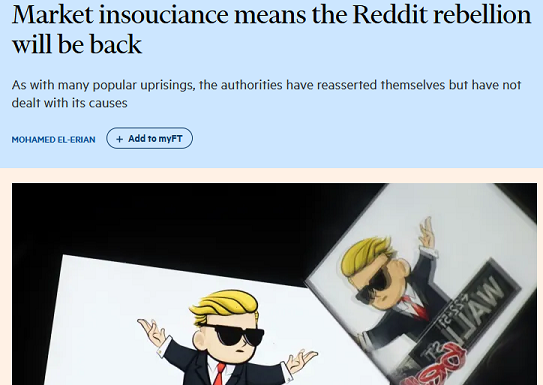
Per ottenere questo risultato, noi ci facciamo aiutare (ancora una volta) da Mohamed El Erian, che con questo articolo sistema nel modo migliore, a nostro parere, la vicenda Gamestop, spiegando chiaramente al lettore perché le ricadute di quella vicenda, e della altre collegate, resteranno con noi per mesi e mesi e mesi.

Che è precisamente il nostro obbiettivo per questo Post.

2021_Jan_249.png

The writer is president of Queens’ College, Cambridge university, and adviser to Allianz and Gramercy


The retail investor “Reddit rebellion” has painfully been exposed to one of the big lessons of popular political uprisings — although that does not mean it will not return.

First, early gains won during the initial surprise attack on the established order are hard to maintain if the movement is leaderless, lacks staying power and is easily distracted. Second, the established order — supported in its “counter attack” by those wishing to minimise disorder and uncertainty — quickly reasserts its dominance. However, this reassertion tends to happen in ways that fail to deal with the uprising’s underlying causes. That leaves in place the roots of future disruptions.

The story of the uprising is now well known. Facilitated by efficient communication platforms, disposable funds and costless trading apps such as Robinhood, a young group of investors tried to beat hedge funds by exploiting the “pain trade”. In this case, that meant squeezing large short positions held by hedge funds on a handful of stocks, such as GameStop. Scrambling to save themselves, these stressed funds had to raise cash by selling out of their long positions, which put pressure on the market as a whole. The strategy worked extremely well, initially. However, sustaining it proved hard. Retail investors’ ability to buy, a critical element in any short squeeze, was hindered by draconian limits on additional purchases imposed on them by trading platforms. This, in turn, was said to be a function of the requirements imposed on trading platforms by clearing houses.

The buying power of the rebellious investors was also distracted by talk of silver being their next “target” — a problematic approach given the silver market’s much larger size and its relatively low share of outstanding shorts. Finally, infusions of fresh capital stabilised the trading intermediaries and calmed the bloody-nosed hedge funds. Indeed, by midday in New York on Wednesday, GameStop was down 70 per cent from the start of the week, while the price of silver was off 8 per cent from its week high. Hedge funds were back in command, with little pressure to cover their shorts. Many retail investors had become victims instead of predators. And the rest of the market went back to what it was doing before, seeking one record high after another.

2021_Jan_278.png

All this exposed the structural disadvantages inherent to the retail investors’ strategy. It reminded me of two sayings I learned early in my career as an investment manager: “You have no friends on Wall Street,” and; “If you cannot identify the weak hand, it’s you and you shouldn’t be in this game.” Even so, it would be very short-sighted to believe that markets have fully recovered from this event and remain immune to further disruption. That is because it illuminated several realities which, if not acted upon, could well assert themselves far more dramatically.

It revealed the persistent asymmetry between the establishment and the “little guys” who carry considerable personal and national debt and are rightly worried about their economic future. Their concerns are unlikely to get material relief anytime soon. Their sense of marginalisation and alienation will grow. It exposed a number of regulatory and supervisory gaps. The authorities were caught asleep at the wheel, again. They now need to resolve a series of difficult and, in some cases, competing issues that range from investor protection to market collusion.

It uncovered systemic risk. Judging from the billions of dollars subsequently raised by Robinhood, the financial system came close to a market accident that could have triggered a disruptive “de-grossing” — the simultaneous deleveraging of financial balance sheets. Moreover, it played out amid excessive risk taking and the broad disconnect between finance and the real economy. Ramming that point home, the market’s reaction to having avoided an accident has been to take on even more risk overall.

This retail investor uprising was akin to too many grass roots political movements that promote greater inclusion and participation. It failed to maintain its momentum, and growing counter-pressures frustrated the uprising’s aim of disrupting the established order and democratising finance more. What has not been crushed, however, are the underlying forces that propelled the uprising. In its aftermath, markets have reverted to their old behaviours, rather than internalise its lessons. This leaves open the possibility of more disruptions still to come.

2021_Jan_204.png
Mercati oggiValter Buffo
Sarà vero, che non è mai troppo tardi?
 

Rileggendo i livelli di chiusura di fine gennaio, c’è una domanda che si presenta immediatamente, una domanda urgente.

2021_Jan_091.png

Una volta capito che non stava succedendo niente, ma proprio nulla di nulla, la grande macchina del marketing ha messo in piedi, tra novembre e gennaio, uno sforzo epocale: cambiando tutte le carte in tavola, l’industria delle banche di investimento, per semplificare la vita delle reti di promotori finanziari e private bankers, ha capovolto il proprio giudizio su Biden (ed ha nello spazio di ore giurato del tutto le spalle al beniamino del giorno prima, Donald J. Trump) ed è corsa dai Clienti a raccontare che Biden era OTTIMO per i mercati finanziari.

Lo sforzo è proseguito pochi giorni dopo, sfruttando la “notizia” de “il vaccino” arrivata il 9 novembre, e poi anche il 16 novembre, e poi ogni altro lunedì.

I Clienti delle Reti dovevano, a tutti i costi, essere persuasi del fatto che si trattava di “un momento storico” e che “tempo sei mesi, massimo dodici, e tutto torna come prima”.

Persino il 4 gennaio, quando è arrivata con le Elezioni in Georgia, la famosa “Onda Blu” dei Democratici, le banche di investimento e le Reti dei promotori private bankers hanno istantaneamente rivoltato la giacchetta: adesso, l’Onda Democratica andava benissimo, anzi era la salvezza per i mercati finanziari.

2021_Jan_049.png

Chi è andato dietro a questi segnali del marketing, chi è cascato (ancora una volta) nella trappola dei private bankers, chi si è fatto convincere (ancora una volta) che Goldman Sachs non sbaglia mai, e la Federal Reserve non sbaglia mai, e Biden non sbaglia mai, oggi che cosa starà pensando?

Si fida ancora? Oppure si sente tradito?

E domani, che cosa farà?

Sul piano dell’operatività dei portafogli, per il breve termine oggi è questa la domanda alla quale rispondere, per fare le proprie mosse della prossima settimana (sempre che ci siano mosse da fare, la settimana prossima …).

Mercati oggiValter Buffo