
Chi lo poteva prevedere? (parte 1)
 

Risk refers to decision-making situations under which all potential outcomes and their likelihood of occurrences are known to the decision-maker, and uncertainty refers to situations under which either the outcomes and/or their probabilities of occurrences are unknown to the decision-maker.

In ogni gestione del portafoglio di investimenti (sia che si tratti di investimenti finanziari sia che si tratti di investimenti in beni reali) la gestione del rischio è altrettanto importante che la ricerca del rendimento.

Quando si scrive e si parla di gestione del rischio, è indispensabile tenere bene a mente che con la definizione “gestione del rischio” si definisce una materia ampia e complessa.

In particolare, per ogni investitore, grande medio e piccolo, sarà indispensabile comprendere bene la differenza tra rischio propriamente detto e incertezza.

Come spiega la citazione che trovate qui sopra, si definisce rischio quella situazione i cui possibili sviluppi sono tutti conosciuti da chi prende la decisione di investimento: in altre parole, nelle situazioni di rischio chi decide è in grado di attribuire una probabilità ai diversi esisti che sono possibili.

L’incertezza, invece, è quel tipo di situazione per la quale chi deve fare una scelta non è in grado di attribuire delle probabilità ai diversi possibili scenari.

Chi ci segue con attenzione ricorda ciò che Recce’d scrisse del Coronavirus nel gennaio e febbraio 2020: ovvero un mese prima dello scoppio della crisi finanziaria.

Ciò che noi scrivemmo allora rimane valido anche oggi. per questo, non ci ripeteremo. E tuttavia, date le notizie apparse sui quotidiani negli ultimi giorni (immagine sopra ed immagine sotto), e vista anche la sensibilità che è stata dimostrata dai mercati finanziari, abbiamo ritenuto di aggiungere qualche parola.

Come detto non ripeteremo ciò che scrivemmo nel gennaio e febbraio del 2020: richiamiamo però la vostra attenzione sul fatto che la posizione di Recce’d già allora era vicina a quelle che dicono “non si ritornerà mai alla situazione economica, sociale e finanziaria precedente la pandemia”, e almeno fino ad oggi i fatti danno ragione a noi.

Lo spunto delle notizie citate più in alto, in questo novembre 2021, noi lo utilizzeremo per affrontare un tema più generale: quello degli “spargitori di ottimismo professionali”.

Il tema è più generale, perché tocca senza dubbio il tema della pandemia, ma tocca ancora di più quello degli investimenti, della finanza e del risparmio.

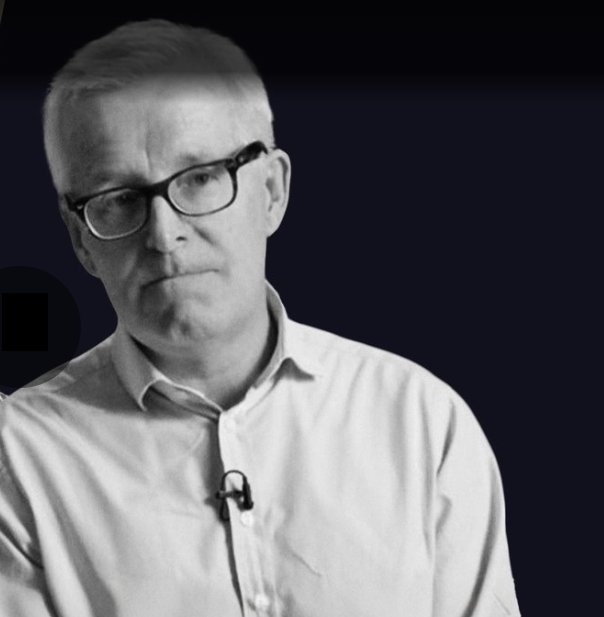
Sul tema della pandemia, ci sono persone che nel corso degli ultimi due anni si sono contraddistinte per avere ripetutamente assunto, in pubblico, posizioni molto nette e molto insistite, poco mediate, sull’argomento. In particolare chi, come il personaggio dell’immagine che segue, si è impegnato fin dal primo giorno a minimizzare, a ridurre, e a “spargere ottimismo”.

Lasciamo ovviamente ad ognuno dei nostri lettori piena liberta di giudizio, in materia di pandemia e dintorni. In Recce’d abbiamo idee molto chiare e precise, ma certamente non è questa la sede.

Ciò che invece tocca direttamente il nostro lavoro, la nostra professione, e anche l’atteggiamento della grande massa degli investitori, è il ruolo degli “spargitori di ottimismo”.

Che, nel mondo della finanza, del risparmio, della vendita di Fondi Comuni, dei private bankers, delle banche di investimento, e dei promotori finanziari, sono molto, molto, molto più numerosi, rispetto agli ottimismi in tema di pandemia.

Così come da sempre hanno fatto gli “ottimisti della pandemia”, anche nel mondo della finanza, del risparmio, della vendita di Fondi Comuni, dei private bankers, delle banche di investimento, e dei promotori finanziari ci sono quelli che fanno promesse che sanno benissimo di non potere mai vedere realizzate.

Non hanno le conoscenze per parlarne, non hanno gli strumenti per prevedere, in molti neppure hanno la minima idea di ciò di cui si parla (ripetiamo: nel mondo della finanza e degli investimenti, a questo ci stiamo riferendo qui).

E tuttavia, in questo Nuovo Millennio l’intera industria della finanza e del risparmio si fonda sulla capacità dei soggetti appena citati di rilanciare di continuo, di creare sempre nuove aspettative, sempre nuovi sogni, sempre nuove illusioni, allo scopo semplicissimo di fare comperare al Cliente finale (l’investitore) assets senza valore, oppure quanto meno di non vendere mai.

Come dice il professor Zangrillo nell’immagine che chiude questo nostro Post “le malattie fanno parte della nostra vita”: proprio per questo è bene adottare sempre un atteggiamento più possibilista, più aperto a varie eventualità, sia quando si parla di pandemia, sia quando si valutano il rischio e le incertezze nel proprio portafoglio di investimenti.

Noi in Recce’d facciamo questo lavoro per i nostri Clienti ogni giorno. E questo ha fatto, e farà, la differenza.

Mercati oggiValter Buffo
Chi lo poteva prevedere? (parte 2)
 

Della settimana appena conclusa, si ricorderanno sia il calo del prezzo del petrolio, sia il rialzo del prezzo del dollaro in termini di euro (e le due cose NON sono del tutto scollegate) sia, e dal punto di vista di Recce’d soprattutto, la brusca e significativa marcia indietro della Federal Reserve, anche ma non soltanto per bocca del proprio vice- Governatore Clarida, il numero due alla Banca Centrale USA.

Una marcia indietro che arriva a pochi giorni dal momento nel quale (dopo la pubblicazione dell’ultimo dato) sono arrivate persino sui media più “ottimisti” le prime critiche in materia di inflazione rivolte proprio alla Federal Reserve.

Questo è proprio quel momento nel quale molte persone poco informate ma pure molte persone male intenzionate (i “finti sciocchi”) cominciano a dire: “del resto, chi lo poteva prevedere”?

Ovviamente, non si tratta soltanto di una questione teoria, del tipo “io avevo ragione, tu avevi torto”: si tratta di una questione che incide sulla vita di ognuno di noi, e sulle scelte quotidiane, come (a puro titolo di esempio) racconta il dato del grafico qui in basso.

La frase “chi lo poteva prevedere” è una patetica sciocchezza: la cosa era prevedibilissima, e si è intenzionalmente voluto fare nulla e continuare a fare finta di non vedere le evidenze, ed i fatti.

Tra i tanti che, in sede pubblica, avevano previsto una evoluzione della realtà come quella che poi tutti vedete oggi, c’è l’ex Ministro del Tesoro USA Larry Summers, come da noi più volte segnalato, anche nel Blog ma soprattutto ai Clienti.

Per questa specifica ragione, è utile domandarsi oggi che cosa dice Summers oggi, si ciò che poi vedremo domani e dopodomani.

Potete leggerlo qui sotto.

By Lawrence H. Summers

Contributing columnist

Today at 8:00 a.m. EST

There is a wise apocryphal saying often attributed to John Maynard Keynes: “When the facts change, I change my mind. What do you do?” After years of advocating more expansionary fiscal and monetary policy, I altered my view this past winter, and I believe the Biden administration and the Federal Reserve need to further adjust their thinking on inflation today.

Fed Chair Jerome H. Powell’s Jackson Hole speech in late August provided a clear, comprehensive and authoritative statement, enumerated in five pillars, of the widespread team “transitory” view of inflation that prevailed at that time and shaped policy thinking at the central bank and in the administration.

Today, all five pillars are wobbly at best.

First, there was a claim that price increases were confined to a few sectors. No longer. In October, prices for commodity goods outside of food and energy rose at more than a 12 percent annual rate. Various Federal Reserve system indexes that exclude sectors with extreme price movements are now at record highs.

Second, Powell suggested that high inflation in key sectors, such as used cars and durable goods more broadly, was coming under control and would start falling again. In October, used-car prices accelerated to more than a 30 percent annual inflation rate, new cars to a 17 percent rate and household furnishings by an annualized rate of just above 10 percent.

Third, the speech pointed out that there was “little evidence of wage increases that might threaten excessive inflation.” This claim is untenable today with vacancy and quit rates at record highs, workers who switch jobs in sectors ranging from fast food to investment banking getting double-digit pay increases, and ominous Employment Cost Index increases.

Fourth, the speech argued that inflation expectations remained anchored. When Powell spoke, market inflation expectations for the term of the next Federal Reserve chair were around 2.5 percent. Now they are about 3.1 percent, up half a percentage point in the past month alone. And consumer sentiment is at a 10-year low due to inflation fears.

Fifth, Powell emphasized global deflationary trends. In the same week the United States learned of the fastest annual inflation rate in 30 years, Japan, China and Germany all reported their highest inflation in more than a decade. And the price of oil, the most important global determinant of inflation, is very high and not expected by forward markets to decline rapidly.

Further considerations reinforce concerns about inflation. Meme stocks, retail option buying, crypto market developments, credit spreads and some start-up valuations suggest significant froth in some markets. Housing prices and rents are both up 15 to 20 percent in the past year. These movements are far from fully reflected in the shelter component of the consumer price index, which represents one-third of the CPI, implying substantial pressures to come.

What now?

First, let’s not compound errors that have already been made with far too much fiscal stimulus and overly easy monetary policy by rejecting Build Back Better. The legislation would spend less over 10 years than was spent on stimulus in 2021. Because that spending is offset by revenue increases and because it includes measures such as child care that will increase the economy’s capacity, Build Back Better will have only a negligible impact on inflation. It will of course be imperative to ensure that various temporary measures, such as the child tax credit, will not be extended without new revenues to pay for them.

Second, the administration is making a series of Fed appointments in coming weeks. The president’s choices need to recognize, as Powell has started to do in recent remarks, that the major current challenge for the central bank is containing inflation. If price stability is lost and inflation accelerates, sooner or later the consequence will be a severe recession that will hit the poor and middle class hardest and undo recent employment gains.

Third, Powell and his colleagues have rightly emphasized the need for close economic monitoring and attentiveness to inflation risks. Now the Fed should signal that the primary risk is overheating and accelerate tapering of its asset purchases. Given the house-price boom, mortgage-related purchases should stop immediately. Because of inflation, real interest rates are lower, as money is easier than a year ago. The Fed should signal that this is unacceptable and will be reversed.

Fourth, the administration should signal that a concern about inflation will inform its policies generally. Measures already taken to reduce port bottlenecks may have limited effect but are a clear positive step. Buying inexpensively should take priority over buying American. Tariff reduction is the most important supply-side policy the administration could undertake to combat inflation. Raising fossil fuel supplies, by relaxing regulations and deploying the Strategic Petroleum Reserve, are crucial. And financial regulators need to step up and be attentive to the pockets of speculative excess that are increasingly evident in financial markets.

Excessive inflation and a sense that it was not being controlled helped elect Richard Nixon and Ronald Reagan, and risks bringing Donald Trump back to power. While an overheating economy is a relatively good problem to have compared to a pandemic or a financial crisis, it will metastasize and threaten prosperity and public trust unless clearly acknowledged and addressed.

I fatti delle ultime ore ci dicono che alla Federal Reserve hanno scelto di procedere proprio nel modo che era richiesto da Summers nel suo articolo che avete appena letto.

In aggiunta, nel suo articolo Summers citava un secondo tema di grandissima attualità: l’annuncio che dovrebbe arrivare tra lunedì e mercoledì prossimi dell’incarico, da parte del Presidente USA, al ruolo di Chairman della Federal Reserve. Ruolo al quale potrebbe essere confermato Jerome Powell, ma si tratta di una conferma non scontata.

La settimana scorsa, il Premio Nobel Joseph Stiglitz ha spiegato, nell’articolo che leggete qui sotto, le ragioni per le quali Powell NON andrebbe confermato come Capo della Federal Reserve.

Recce’d NON condivide parecchie delle cose scritte da Stiglitz, ma ha ben chiare le ragioni per le quali oggi la figura di Powell è molto indebolita, ed è quindi molto attaccabile.

Associate queste considerazioni a quelle portate avanti da Summers a proposito della politica della Fed, ed avrete un quadro più preciso di che cosa ha agitato i mercati finanziari nelle ultime settimane.

NEW YORK – US President Joe Biden faces a critical decision: whom to appoint as chair of the Federal Reserve – arguably the most powerful position in the global economy.

The wrong choice can have grave consequences. Under Alan Greenspan and Ben Bernanke, the Fed failed to regulate the banking system adequately, setting the stage for the worst global economic downturn in 75 years. That crisis and policymakers’ response to it have had far-reaching political consequences, exacerbating inequality and nurturing a lingering sense of grievance in those who lost their houses and jobs. There are a host of clichés about why the current chair, Jerome Powell, should be reappointed. Doing so would be a demonstration of bipartisanship. It would reinforce the Fed’s credibility. We need a seasoned hand to steer us through the post-pandemic recovery. And so on. I heard all the same arguments 25 years ago when I was chair of the US President’s Council of Economic Advisers and Greenspan was being considered for reappointment. They were enough to convince Bill Clinton, and the country paid a high price for his decision. Ironically, President Ronald Reagan gave short shrift to these arguments when he effectively fired Paul Volcker in 1987, denying him reappointment after he had tamed inflation. Reagan owed Volcker a great deal, but because he wanted to pursue deregulation, he opted for Greenspan, an acolyte of Ayn Rand. Economic policymaking requires careful judgment and a recognition of trade-offs. How important is inflation versus jobs and growth? How confident can we be that markets are efficient, stable, fair, and competitive on their own? How concerned should we be about inequality? America’s two main parties have always had markedly different but clearly articulated perspectives on these matters (at least until the Republicans’ descent into populist madness). To my mind, the Democrats are right to worry more about the consequences of joblessness. The 2008 crisis showed that unfettered markets are neither efficient nor stable. Moreover, we know that marginalized groups have been brought into the economy and wage disparities reduced only when labor markets are tight.

The coming years are likely to test any Fed chair. The United States is already facing tough judgment calls concerning inflation and what to do about it. Are recent price increases mostly hiccups resulting from an unprecedented economic shutdown? How should the Fed think about the African-American employment rate, which still has not recovered to its pre-pandemic levels? Would raising interest rates (and thus unemployment) be a cure worse than the disease?

Equally, while the mispricing of mortgage-backed securities was central to the 2008 meltdown, there is now evidence of an even greater and more pervasive mispricing of assets related to climate change. What should the Fed do about that? Powell is not the man for the moment. For starters, he supported former President Donald Trump’s deregulatory agenda, risking the world’s financial health. And even now, he is reluctant to address climate risk, even though other central bankers around the world are declaring it the defining issue of the coming decades. Powell would say that climate issues are not included in the Fed’s mandate, but he would be wrong. Part of the Fed’s mandate is to ensure financial stability, and there is no greater threat to that than climate change. The Fed is also responsible for approving mergers in the financial sector, and Powell’s record suggests that he has never seen a bad one. Such laxity is the last thing the economy needs right now. A glaring lack of competition and the absence of adequate regulation are already allowing for outsize profits, diminishing the supply of finance for small businesses, and providing the dominant players greater scope for taking advantage of others. Some commentators have given Powell credit for the Fed’s response to the pandemic. But any college sophomore would have known not to tighten monetary policy and raise interest rates during a recession. Moreover, as Simon Johnson of MIT has argued, Powell does not have a deep commitment to full employment. On the contrary, as a member of the Fed Board of Governors for the past decade, Powell has a history of misjudgments in tightening monetary policy dating back to the “taper tantrum” of 2013. Though many Fed watchers insist that inequality is not the central bank’s business, the fact is that Fed policies have major distributional effects that cannot be ignored. Just as prematurely raising interest rates can choke off growth, weak enforcement of the Community Reinvestment Act allows for deeper concentrations of market power. Finally, the recent ethics scandal involving market trades by top Fed officials has undermined confidence in the institution’s leadership. Powell’s seeming insensitivity to conflicts of interest has long worried me, including in the management of some of the Fed’s pandemic-response programs. With four years of Trump having already weakened trust in US institutions, there is a real risk that confidence in the Fed’s integrity will be undermined even further. No Fed official should need an ethics officer to decide when certain trades would appear unseemly.

The Fed is in some ways like the US Supreme Court. It’s supposed to be above politics, but at least since Bush v. Gore, we’ve known that’s not true. Trump clarified that for any doubters. The Fed, too, is supposed to be independent, but Powell and Greenspan, as they followed their party’s deregulatory agenda, made clear that that also was not the case. But while the Board makes crucial decisions affecting every aspect of the economy, power historically has been concentrated in the chair – far more so than with the Supreme Court chief justice. It is the Fed chair who decides what to bring to a vote, and which issues to slow-roll or fast-track. The climate issue is just one example of where it absolutely matters who is at the head of the table.

The US needs a Fed that is genuinely committed to ensuring a stable, fair, efficient, and competitive financial sector. Anyone who thinks that we can rely on unfettered markets, or that regulation has already gone too far, is not seeing clearly. We need neither an ideologue like Greenspan nor a Wall Street-minded lawyer like Powell. Rather, we need someone who has a deep understanding of economics, and who shares Biden’s values and concerns about both inflation and employment. There are undoubtedly many figures who could meet these conditions. But Biden doesn’t have to look far to find someone who has already shown her mettle. Lael Brainard is already on the Board, where she has demonstrated her competence and gained the respect of markets – without compromising her values. Biden can have his cake and eat it: a Fed chair who maintains continuity and won’t roil markets, but shares his economic and social agenda

Mercati oggiValter Buffo
Dietro la curva: i prossimi 12 mesi dei mercati
 

Non scriviamo commenti su ciò che fa e dice la Federal Reserve, oppure la BCE, da mesi.

Nelle ultime settimane, abbiamo più volte richiamato queste due Istituzioni nei nostri Post, ma al solo scopo di ricordare ai lettori che Recce’d scrisse nell’estate del 2020 il suo “Fight the Fed!” indicando in queste tre parole la chiave di volta dell’intera strategia di portafoglio.

La realtà dei fatti oggi dice a noi di Recce’d, ed anche a voi lettori, che avevamo visto giusto. Tutto ciò che abbiamo scritto e detto allora lo ritrovate oggi, sulle prime pagine dei quotidiani.

La realtà oggi è quella che Recce’d anticipava, anche ai suoi lettori, quindici mesi fa.

Ma i mercati? I mercati sono sganciati dalla realtà e la ignorano?

Oggi, forse, è così: ma domani? Davvero avete intenzione di investire i vostri risparmi sulla base una affermazione così azzardata? Di mercati sganciati dalla realtà, se ne sono visti numerosi, negli ultimi 150 anni: ma è finita sempre alla medesima maniera.

E sarà così anche questa volta.

Come appena detto, Recce’d NON commenta più la Federal Reserve, perché la Federal Reserve oggi non può più influenzare il futuro dei mercati finanziari, dei nostri investimenti e del nostro portafoglio titoli. Da qualche mese, ed ancora per alcuni mesi, la Federal Reserve non conta più nulla per noi investitori. Tutto dipende invece da quello che succederà INTORNO alla Fed.

I dati drammatici per i tassi di inflazione visti nella settimana appena conclusa tolgono alle Banche Centrali ogni spazio di manovra: non possono fare più nulla, possono soltanto seguire il copione già scritto. Ovvero negare di vedere la realtà, e tirarla più a lungo possibile.

Abbiamo però selezionato per voi un breve passaggio, a commento dei dati per l’inflazione USA di mercoledì 10 novembre: dati in un certo senso storici.

Fed has “lost control” of inflation.

“The Fed has absolutely lost control of inflation and inflation expectations, or at least it appears that way,” Piegza said via phone Thursday. “Policy makers arguably should have moved a lot sooner to pull back on easy policy earlier this year, when inflation was showing signs of persisting beyond what most economists would be comfortable with, even temporarily.”

“But they continued to stick with their assessment that this is transitory,” she said. “The fear is not that they won’t be able to rein in price pressures eventually, but that now they may have to move at a faster pace than they would have otherwise needed to. By waiting so long, they’ve created an even more difficult challenge for themselves.”

The Fed’s best tool for combating inflation may be a hike in its benchmark policy interest rate, which isn’t likely to happen until next year at the earliest and may not even impact the economy until 2023 given long, variable lags in policy. The central bank has taken the first step to tighten policy by starting to pare its monthly bond purchases over the next few months. In the meantime, annual headline CPI readings have come in at 5% or higher for six straight months, well above the Fed’s 2% target.

Wednesday’s CPI reading was enough to get Newport Beach, California-based bond-fund giant PIMCO to reevaluate its own expectations.

After revising its fourth-quarter CPI forecast higher in the past month, PIMCO revised its forecasts once again on Wednesday after the U.S government data was published. The firm now sees annual core CPI, which strips out food and energy, peaking at 6% and hitting 5.6% and 2.6%, respectively, at the end of 2021 and 2022, said Tiffany Wilding, PIMCO’s North American economist. P
IMCO also sees the headline CPI rate as likely reaching 7% over the next several months.

In June, she and Andrew Balls, PIMCO’s chief investment officer for global fixed income in London,
stood by the view that price pressures would prove to be transitory and said they expected inflation in developed markets to peak in a matter of months.

A 7% CPI reading is “not outside the realm of possibilities,” Stifel’s Piegza said. Making matters worse is the potential for a new head of the Fed next year to succeed Chair Jerome Powell, she said. “I really am extremely concerned about the increasing political influence on monetary policy in general — but also specifically to keep rates low — and that
the Fed is taking this permanent, passive position on the sidelines by allowing politicians to dictate the appropriate path for policy.”

A noi che siamo gestori professionali, ma pure competenti (tra i numerosi che si conoscono, comunque una minoranza) e responsabili (tra i pochi, una esigua minoranza), vogliamo chiarire al lettore che cosa ce ne importa, o meglio in che modo quello che avete letto nel testo qui sopra in termini di scelte di portafoglio.

Per farlo richiamiamo la vostra attenzione di lettori sui dati della tabella che segue. nella tabella, leggete come sono cambiate le previsioni di Goldman Sachs per l’inflazione USA nel prossimo dicembre 2021. Scorretele con grandissima attenzione.

Le previsioni di Goldman Sachs, ovvero di Morgan Stanley ovvero di UBS ovvero di BNP Paribas sono quelle che utilizza il vostro promotore finanziario, che si fa chiamare wealth manager oppure robo advisor oppure private banker oppure … fate voi, perché pensa che Goldman Sachs sia il vertice della piramide, nel settore del risparmio. Il meglio del meglio, una “torre di Ph.D.”

Come leggete nella tabella, le previsioni di Goldman Sachs, anzi della “torre di Ph.D.”, erano totalmente sballate: non sbagliate di poco, erano proprio fuori dalla realtà, e solo pochi mesi fa.

In sei mesi, da 2,70% a 6,30%. E sempre per fine 2021.

Secondo voi lettori, in Goldman Sachs sono così stupidi e incapaci?

Oppure, secondo il vostro parere, questo tipo di “previsioni” non è niente altro che una “marchetta” (come dicono a Roma) scritta per indirizzare i loro Clienti (i promotori finanziari) e quindi in definitiva voi lettori verso quel tipo di asset class che in quel preciso momento la banca globale di investimento vuole “spingere”?

Come è successo, negli ultimi 12 mesi, per l’investimento azionario: tanto che il giocherello poi è scappato di mano, ed è diventato oggi un delirio collettivo.

Ma ritorniamo al nostro argomento: perché ci interessa e vi interessa di leggere che “la Fed ha perso il controllo totalmente”?

Facile da spiegare: e ci affidiamo qui all’articolo che segue, che proprio nelle ultime righe vi anticipa quello che tutti vedrete nei prossimi mesi sui mercati finanziari.

L’ultima riga anticipa “immense dislocazioni degli asset finanziari”: dislocazioni si potrebbe tradurre anche con lussazioni, storture, slogature; oppure fate voi. Il nostro parere è che il messaggio è chiarissimo: soltanto Jerome Powell oggi non vuole vederlo. Ma è sull’aggettivo “immense” che vi converrebbe di riflettere.

By Mark Cudmore, macro strategist and the global managing editor of Bloomberg’s Markets Live team

Inflation angst: we ain’t seen nothing yet.

Within less than 24 hours, the world’s three largest economies -- the U.S., China and Japan -- each released inflation data that shattered consensus forecasts and showed prices rising at the fastest pace since at least the early 1990s. Actually the highest print in more than 40 years in Japan.

The fourth-largest economy, Germany, also confirmed inflation at the fastest pace since the early ‘90s, but that release didn’t surprise economists as it was the final print and the beat had come with the preliminary estimate. Germany isn’t letting the side down though -- it recently confirmed the highest producer price inflation on records that go back to 1977. This from the country where policy makers famously fear inflation more than most!

And yet markets don’t really seem to care too much. Sure, U.S. yields and the dollar both surged, while stocks tumbled. But there’s no panic about the enormity of what we’re seeing. Barely anyone even bothered commenting on Japanese PPI coming in at 8% y/y this morning, versus 7% estimated. And revisions ticked higher too.

The metaphor of frogs in a pot of water has never been a more apt analogy. For those unfamiliar, the idea is that a frog put suddenly into boiling water will instantly jump out, but a frog put in tepid water that is gradually brought to the boil will not perceive the danger and hence be cooked to death.

A year ago, if you had told any investor the inflation prints they would be seeing today, there would have been disbelief and uproar. The median estimate for U.S. 2021 full-year inflation stood at 1.9%. Even before Wednesday’s data, that consensus had climbed to 4.4% -- an almost unbelievable shift.

Instead, with the inflation dial gradually turned higher all year, the marginal change now fails to shock and we’re not registering the full ramifications of a return to an inflation regime not seen for decades. We’re still focusing on rate of change when we’ve finally reached a point where levels matter.

What’s bizarre is that we listen to economists on this issue. Today marked the 11th month in a row of Japan PPI beating consensus forecasts! It was the ninth in a row for China PPI. They’ve underestimated seven of the last eight U.S. CPI prints, although NONE of the 70 economists surveyed by Bloomberg anticipated the 0.9% m/m increase in CPI Wednesday -- the highest prediction was 0.7%. And yet their “expertise” is still guiding too many people in markets. You almost couldn’t make it up. It’s like the frogs trusting the chef who put them in the pot on whether they will be OK.

What does this mean for markets? Volatility, for a start. We have a dislocation between economic reality and the economic framework that is priced across assets. The problem is that you can’t just sit on inflation plays because there’s a collective denial out there from economists, policy makers and too many in markets.

Bonds will suffer, but we’ll swing from bouts of curve flattening to steepening. The risk-reward ratio of overpriced momentum stocks now has negative appeal, but some other equity sectors can still perform. Currency markets will see some extraordinary dislocations as FX will be a key outlet for economic imbalances.

And I’m not convinced that crypto is the wonderful all-purpose hedge that many would have you believe. How does it fare if real yields move higher, risk-limits get cut amid higher volatility, consumer disposable income gets squeezed and meme/momentum stocks are suffering?

The inflation genie is out of the bottle. The immediate path for markets is difficult because the shifting reaction function of big central banks is still in play. It’s not suddenly going to get easier: the year ahead will see immense asset-price dislocations.

Mercati oggiValter Buffo
Unknown unknown: le 5 aree di buio totale
 

Chi ci segue con maggiore attenzione avrà letto, nei Post della settimana scorsa, una nostra forte presa di posizione sullo scontro tra mercati finanziari e Federal Reserve, scontro che è appena iniziato e che terrà occupatissimi noi gestori e voi investitori per molti mesi.

Il tema viene ripreso questa settimana, attraverso l’articolo che segue: un articolo che prende spunto proprio da quello scontro, ed in particolare alle reazioni immediate dei mercati obbligazionari alle più recenti decisioni annunciate dalle Banche Centrali.

Ma nell’articolo c’è anche dell’altro: il centro di questo articolo è un elenco di cinque “unknown unknowns”, che vuole dire quelle cinque variabili che avranno una influenza dominante sul rendimento degli asset finanziari ma a proposito delle quali oggi tutti, incluso Recce’d, oggi sanno ben poco.

Ormai è chiaro che Recce’d ci ha visto giusto, quando diciotto mesi fa vi scrisse qui nel Blog che il COVID lascerà sull’economia e sui mercati finanziari effetti e conseguenze NON transitorie ma permanenti. Allora nessuno era di questo parere: oggi, quel parere è un’evidenza nei fatti.

Da qui deriva il fatto che tutti sono colti di sorpresa, impreparati, e che la grande parte degli attori (Istituzioni, investitori istituzionali e individuali) oggi non sa che cosa fare.

Le Banche Centrali, in particolare, continuano a raccontare la storia del “transitorio”: e questo perché … non ne hanno ancora capito proprio nulla di nulla.

Scorrendo questo elenco, voi lettori fare bene a chiedervi: “io, che cosa ne so, davvero?”. Ed il mio consulente, il mio wealth manager, il mio personal banker, il mio robo advisor, loro che cosa ne sapranno? Oppure a loro non importa nulla, perché tanto a loro hanno detto di vendermi qual tale portafoglio, senza stare a ragionarci troppo?

Chiedetelo, a voi stessi ed anche a loro: è nel vostro interesse,

Covid has thrown traditional macroeconomics out of its comfort zone.

Last week’s policy pronouncements from the Federal Reserve, the Bank of England, the Reserve Bank of Australia and even the European Central Bank revealed the latest surprise — a wide disconnect between markets’ rate expectations and central banks’ guidance across major currencies. The real “taper shock” came not with the ending of the biggest concerted monetary expansion in history, but with a “tapering” of market confidence in what the future may look like.

Now markets are struggling with two fundamental issues: the sense that economies can’t get back to where they were before the pandemic and an inability to forecast what lies ahead.

This echoes the message that central banks shared last week — that there is sizable uncertainty about future output, employment and inflation, and that these “unknowables” will be consequential for both economic trajectories and for market rates and returns. The result, as the Chinese proverb goes, is a shared policy desire to “cross the river by feeling the stones.”

There are no less than five major areas of “unknowable uncertainty” that remarks from Fed Chair Jerome Powell, BOE Governor Andrew Bailey, ECB President Christine Lagarde and RBA Governor Philip Lowe have identified. These are:

When the pandemic will end. Waves of Covid variants have upended central banks’ ability to predict the duration of supply-demand imbalances. At the same time, there’s increased anxiety that the longer these imbalances persist, the greater the risk of secondary wage-price inflation, which would necessitate policy intervention in the shape of faster stimulus withdrawal and inverted yield curves in 2022. The more-tempered-than-tapered signaling on future rate rises shows this is an outcome policy makers are keen to avoid.  

Future growth. The structural legacy of the pandemic raises questions about future trend growth and economies’ capacity for sustained, non-inflationary expansion. Although higher-than-anticipated labor costs are still in line with past productivity gains, the net effects of pandemic-induced advances in digital business models and global supply infrastructure will take years to assess. In other words, there’s still a long way to go before we see where the new normal for economic productivity lies, and whether wage gains through the pandemic are, indeed, inflationary.

The energy price shock. The surge in energy prices has highlighted the tension between the international transition to low-carbon economic models and the resilience of traditional supply networks. The potential for structurally higher future energy costs poses risks to both future growth and inflation, by lowering the real purchasing power of consumers and future demand while pushing up production costs. It has also reminded economists and markets of the limitations of monetary policy to address short-term supply-demand imbalances, especially when these are triggered by global structural disruptions.

Inflation is transitory but not short-lived. Central bank chiefs have been at pains to address market inflation anxiety by qualifying what “transitory” means in analyses of elevated inflation readings. Policy makers expect that widespread port congestion, shipping delays and supply bottlenecks — all of which have marred economies’ capacity to satisfy consumer demand for goods — cannot last indefinitely. But they admit that there’s no quick logistical fix to the disruptions either.

What’s more, market pressures on companies to address supply chain resilience — from on-shoring capacity to abandoning just-in-time inventory models — mean that some of the historic benefits from globalization that have kept consumer costs low may be permanently lost after the pandemic. This creates considerable uncertainty about the future balance between growth and inflation, and therefore also about the distribution of welfare gains between employers and workers, consumers and producers, and creditors and borrowers in the post-Covid recovery.

The clear message of the last week is that central banks are not keen to play arbiter of the long-term social legacy of Covid at this stage.

Labor supply. The single biggest unknowable variable concerning central banks is the evolution of labor markets after Covid. The long-term supply of labor holds the key to policy makers’ thinking about the degree of capacity in economies and the risk of a prolonged period of high consumer prices affecting worker pricing power and company wage- and price-setting behavior.

This uncertainty has united the Fed, the BOE, the ECB and the RBA in making a future policy rates lift-off conditional not on top-line consumer price readings, but on behavior — on wages moving higher in markets where demand for workers and skills continuously outstrips supply, as that would lead to stickier future inflation.

Where does this leave us? For now, central banks’ willingness to put up a wall of cash will help insulate markets from the unpleasant arithmetic of trying to predict the unpredictable.

By keeping market rates below the rate of inflation but also moving higher — i.e., by sustaining negative real rates in an ongoing expansion driven by excess demand — central banks hope to thread the needle around labor supply uncertainty while hedging market anxiety about inflation and keeping the pandemic legacy of elevated fiscal debt sustainable.

Yet, none of these issues are in the hands of monetary policy to resolve or predict. This makes the calm among markets all the more fascinating. Here’s hoping that the ample central bank liquidity doesn’t wear off too soon. 

Mercati oggiValter Buffo
Bubble Melt Up
 

Nelle ultime sei settimane, da ottobre in avanti, è stato fatto ogni sforzo da parte degli operatori di mercato che operano come grossisti (le banche globali di investimento come Goldman Sachs ad esempio) per riportare almeno un po’ di “euforia” del primo semestre sui mercati finanziari.

La cosa è riuscita, ma solo in parte: l’indice di Borsa più importante del Mondo oggi si trova al di sopra dei precedenti massimi assoluto (settembre 2021), ma soltanto di una manciata di punti. Nulla. Nulla che abbia significato in una razionale e lucida gestione degli investimenti finanziari.

Il clima in realtà è cambiato soprattutto sui media: gli organi di informazione impegnati ogni giorno a scrivere dei “nuovi massimi assoluti degli indici di Borsa”, senza neppure specificare che si tratta di mini-rialzi, nell’ordine dello 0,09%.

Detto questo, per conseguenza sui quotidiani e in TV è ritornato il tema della bolla: siamo, o non siamo in una bolla?

L’argomento NON ci appassiona, ed infatti in questo nostro Blog avete letto pochi Post dedicati alla “bolla finanziaria”. La definizione è giornalistica, di effetto, generica, mentre noi ci occupiamo, scriviamo e raccontiamo per voi di cose molto più specifiche, e concrete.

Tuttavia, ci pare corretto segnalare ai nostri lettori il ritorno di questo tema sui media, e prendiamo qui ad esempio un titolo di Bloomberg (sotto) che associa da un lato la “paura” (della bolla finanziaria) e poi dall’altro lato il “boom” (dei mercati finanziari), boom che sarebbe possibile grazie alle “condizioni finanziarie” particolarmente accomodanti.

Ritorneremo poi, in altri Post, sul tema delle “condizioni finanziarie”, un tema che è più concreto e specifico: ora vi lasciamo alla lettura dell’articolo che segue, che vi farà da utile supporto per orientarvi in questo dibattito sulla bolla.

In particolare, il nostro suggerimento è di riflettere con grande attenzione sulla frase conclusiva, e sulle implicazioni di quella prospettiva per gli investimenti che oggi avete nel vostro portafoglio.

Bubble warnings are ringing louder after a week of dovish central bank bombshells fueled the easiest financial conditions in nearly four decades. 

BlackRock Inc.’s Rick Rieder and Allianz SE’s Mohamed El-Erian are among those warning that systemic risks will only multiply, unless monetary officials take more decisive measures to pare extraordinary pandemic stimulus. While policy makers are acutely aware of the dangers in the easy-money era, their accommodative stances are encouraging ever-increasing flows to the riskiest markets.

The crypto industry just hit over $3 trillion in value, the biggest junk bond exchange-traded fund is booming after getting the most cash since March, and major stock indexes are sitting near records. No wonder a cross-asset gauge shows the easy U.S. investing climate is one for the history books. 

The risk binge is intensifying worries over market froth and lax central bank watchdogs. The world’s biggest, the Federal Reserve, signaled last week a delay in interest-rate increases until the labor market is in better shape after it announced a widely expected reduction in asset purchases.

“The risk is you’re creating overheating prices,” Rieder, BlackRock’s CIO of global fixed income, told Bloomberg TV on Friday. “The risk to the system is you get too much liquidity in the system creating excess.” 

Last week the Bank of England shocked markets with a decision not to raise rates. Meanwhile European Central Bank President Christine Lagarde pushed back against wagers on a rate hike in 2022.

With supply-side pressures threatening growth, central bankers risk either acting too fast and derailing recoveries or being too slow and letting inflation get out of control. Officials are therefore taking a measured approach, despite some investors pressing for a more decisive end to pandemic stimulus. 

“It’s not clear to me why we need to continue to run monetary policy so hot,” El-Erian, a Bloomberg Opinion columnist, said on Bloomberg TV on Friday. “The economy is doing just fine. But the collateral damage it’s creating, the unintended consequences that are resulting, are spreading. This is a Fed that’s going to wait and I fear is going to fall behind and we risk a pretty big policy mistake.”

Catherine Mann, one of the Bank of England policy makers who voted to keep rates on hold, sounded a cautious note in minutes of the meeting. The ex-Citigroup Inc. economist was seen urging an early end to asset purchases, saying it was fueling an “elevated level of risky asset prices.”

Investors may be doubling down on risk, but at least they’re building a protective cushion. 

According to the latest Bank of America Corp. monthly fund manager survey, cash allocations rose to a net 27% overweight, the highest since July 2020, while institutional traders are hedging in the stock-derivatives market. And with corporate earnings beating expectations, there are good reasons for credit and equity rallies in America and Europe.

At the same time while policy makers have been slow to turn off the liquidity hose, they’re at least making a start, said Rieder.

“Could they do it a bit faster? Yeah I think so,” he said. “But at least the door is open and we’re moving in the right direction.”

Kristina Hooper is among those downplaying a market rout scenario from any moderation in growth and tighter monetary policy, though she sees a cap in the rally for risky stocks like cyclicals and small caps.

“We are in a transition to a more normal economy,” Invesco’s chief global market strategist told Bloomberg Radio. “That, to me, is the theme for 2022. And that suggests that we’re going to see growth moderate, and defensive and large-caps perform better.”

Mercati oggiValter Buffo